
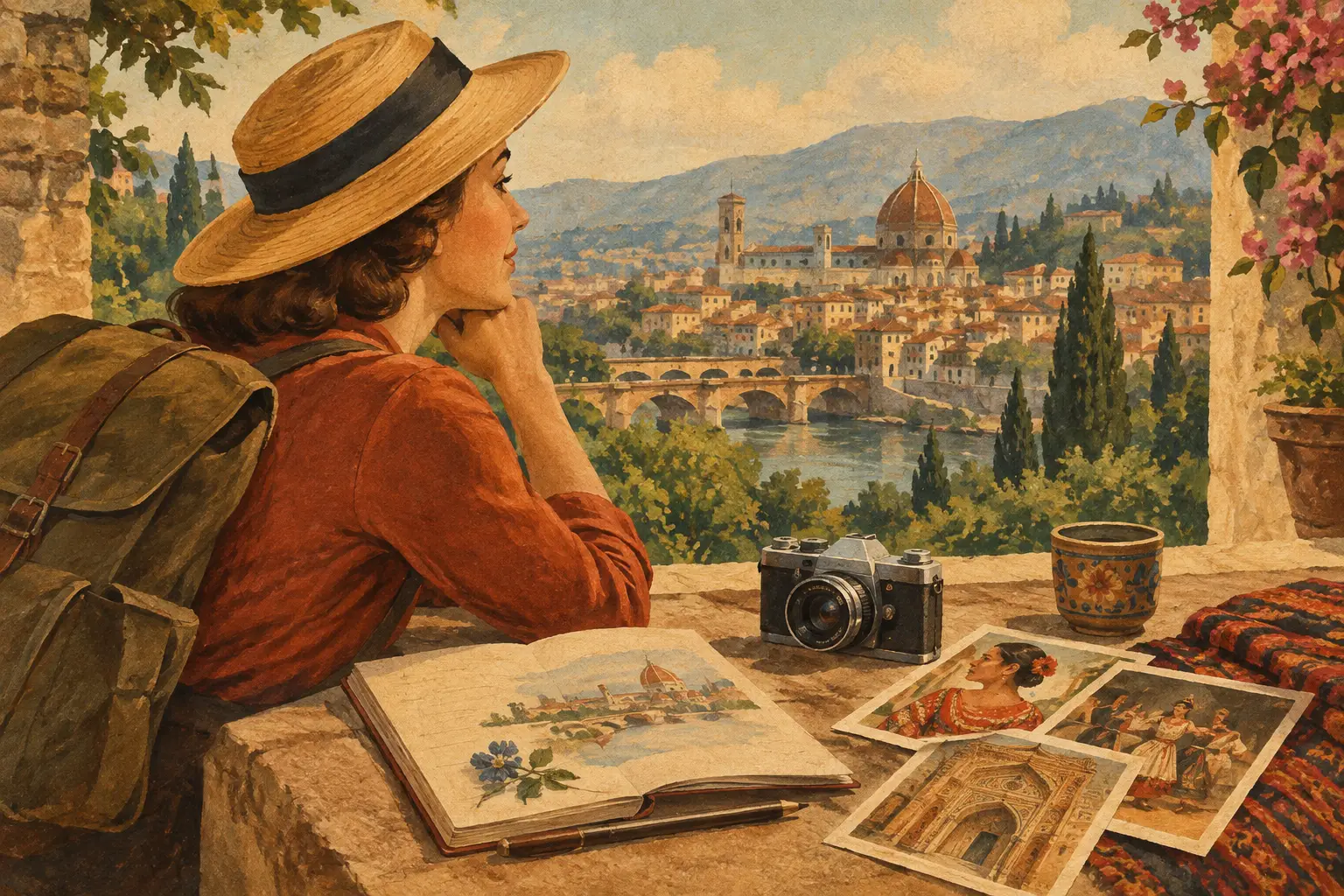
The best travel memory is rarely the landmark you checked off before lunch. It is the brass band echoing down a side street in New Orleans, the family-run café where the owner insists you try one more bite, or the song playing from a car window as a new city begins to feel familiar. Learning how to plan cultural travel means making room for those moments before you ever pack a bag.
Cultural travel is not about collecting the most museums, monuments, or passport stamps. It is about understanding the rhythm of a place through its people, food, music, stories, and everyday rituals. A little planning helps, but overplanning can turn a vibrant destination into a color-coded scavenger hunt. The goal is to arrive prepared enough to connect and open enough to be surprised.
Start With a Feeling, Not a Checklist
Before comparing flights or booking a hotel, ask yourself what kind of connection you are looking for. Maybe you want the electric energy of a city with a legendary music scene. Maybe you are craving coastal food traditions, Indigenous art, historic neighborhoods, or a slower pace built around markets and long dinners.
This first decision shapes everything that follows. A traveler who wants jazz, Creole cooking, and architecture will plan New Orleans differently than someone traveling there for its history of resilience and community. Neither approach is wrong. The magic comes from choosing a personal theme instead of trying to experience every version of a destination in one weekend.
Try giving your trip a simple creative prompt: “I want to hear this city,” “I want to taste its traditions,” or “I want to understand how the past lives here now.” That prompt becomes a filter for the experiences worth your time and budget.
How to Plan Cultural Travel Around Real Life
Guidebooks and highlight reels are useful starting points, but culture does not only happen at the places everyone photographs. It is also in neighborhood bakeries, public parks, record stores, sports bars, community theaters, and the conversations happening around you.
Build your itinerary around a few anchor experiences, then leave breathing room between them. An anchor could be a live music performance, a food tour led by a local, a visit to a cultural center, a neighborhood walking tour, or a cooking class focused on regional dishes. Two meaningful anchors in a day are often more memorable than six rushed stops.
When choosing where to stay, think beyond price and hotel amenities. Staying near a walkable neighborhood can make a huge difference. You may be able to step outside for morning coffee, return for a quick rest, and wander out again when a street festival, gallery night, or restaurant recommendation catches your attention. Convenience creates spontaneity, and spontaneity is often where the story begins.
If you are arriving by cruise, treat the port day as an invitation rather than a race against the ship clock. Pick one nearby district, one cultural experience, and one meal that represents the destination. You will leave with a clearer sense of place than if you spend the day chasing landmarks from one end of town to the other.
Let Music Lead You Somewhere New
Music is one of the fastest ways to understand a destination’s heartbeat. It carries language, migration, celebration, struggle, faith, and joy – often all in one song. Before you go, make a small playlist featuring artists connected to the place. Listen on the plane, during a morning walk, or while watching the landscape change from the train window.
Then look for opportunities to hear music in context. A major concert venue can be fantastic, but so can an early evening set at a neighborhood club, a cultural festival, a church choir performance, or musicians playing in a public square. Check local calendars close to your departure date because smaller events are often announced later than major attractions.
Be mindful of the setting. Some performances are designed for visitors, while others are meaningful community spaces. Show up on time, follow house rules, support artists when you can, and let the experience be what it is rather than treating every song as background for a video. Capture a clip if it is appropriate, but make sure you also put the phone down and feel the room.
Eat With Curiosity, Not Just a Reservation
Food is cultural travel you can taste. A signature dish can tell you about climate, trade routes, immigration, farming, family traditions, and the ingredients people had available when they made something beautiful from very little.
Do research before your trip, but do not book every meal weeks in advance. Reserve the restaurant you would truly regret missing, especially in a popular city or during a busy season. For the rest, leave space for a recommendation from a bartender, museum guide, rideshare driver, or the person beside you at a café.
Look for variety in your food experiences. A polished dinner may be worth the splurge, but so might a market stall, a modest lunch counter, a bakery that has served the same neighborhood for decades, or a community-run food experience. The point is not to chase the most viral dish. It is to understand what people eat, when they eat it, and why it matters.
If you have dietary needs, plan ahead with a few clear phrases saved on your phone. This is not the moment to hope for the best when an unfamiliar ingredient is involved. A little preparation protects your comfort while letting you stay adventurous.
Learn Enough History to Ask Better Questions
You do not need a graduate degree before a cultural trip. You do need a little context. Read about the destination’s major historical turning points, the communities who call it home, and the issues that shape life there now. A museum visit becomes richer when you understand whose stories have been celebrated and whose stories were pushed aside.
Choose sources with perspective. Seek out local writers, artists, historians, and cultural organizations when possible. Big travel media can tell you what is popular, but local voices are more likely to explain what a tradition means.
Once you arrive, approach conversations with genuine curiosity instead of asking people to perform their culture for you. Questions such as “What do you love about this neighborhood?” or “Is there a place you would take a visiting friend?” are warm openings. If someone shares a personal story, listen without rushing to compare it to your own experience.
Budget for Meaningful Moments
Cultural travel does not have to mean luxury prices, though a thoughtful splurge can elevate a trip. The trade-off is simple: spend intentionally on experiences that create access, insight, or lasting memories, and save on the things that do not matter as much to you.
A guided tour led by a historian or local storyteller may cost more than wandering alone, but it can reveal details you would never notice. Tickets to a small performance can be more rewarding than another round of generic souvenirs. On the other hand, plenty of cultural experiences are free or low-cost: neighborhood walks, public art, markets, festivals, libraries, local beaches, and community events.
Set aside a small “say yes” fund. This is the money for the extra pastry, the album from a local musician, the museum exhibit you spotted unexpectedly, or the cooking class a fellow traveler recommended. You do not need to spend wildly. You simply do not want a rigid budget to make you say no to every delightful surprise.
Travel With Respect and a Little Humility
The most meaningful cultural travelers understand that they are guests. Learn basic greetings, dress appropriately for religious or community spaces, ask before photographing people, and pay attention to posted rules. These are simple gestures, but they signal care.
Respect also means recognizing that not every neighborhood exists for visitor entertainment. If you visit a place shaped by hardship, displacement, or sacred traditions, resist the urge to turn it into a backdrop. Spend money with locally owned businesses when you can, follow guidance from residents and community leaders, and remember that being welcomed is a privilege.
You will make mistakes sometimes. Maybe you mispronounce a word, misunderstand a custom, or choose a restaurant that feels more touristy than you expected. That is part of travel. Stay gracious, learn, and keep going.
Leave Room for the Unplanned Song
A great cultural itinerary should feel like a playlist, not a schedule of obligations. Build the strong opening tracks, include the can’t-miss favorites, and then leave room for the song you had never heard before but cannot stop playing once you get home.
Bring a small notebook, use voice notes, or take a few intentional photos each day. Record the name of the dish that surprised you, the street where you heard incredible music, or the person whose recommendation changed your plans. Those details will keep the trip alive long after the suitcase is unpacked.
When you plan with curiosity, generosity, and just enough structure, a destination becomes more than a place you visited. It becomes part of your own soundtrack. Join the adventure with open ears, an open appetite, and enough free time to follow the rhythm when it calls.
Leave a Reply