
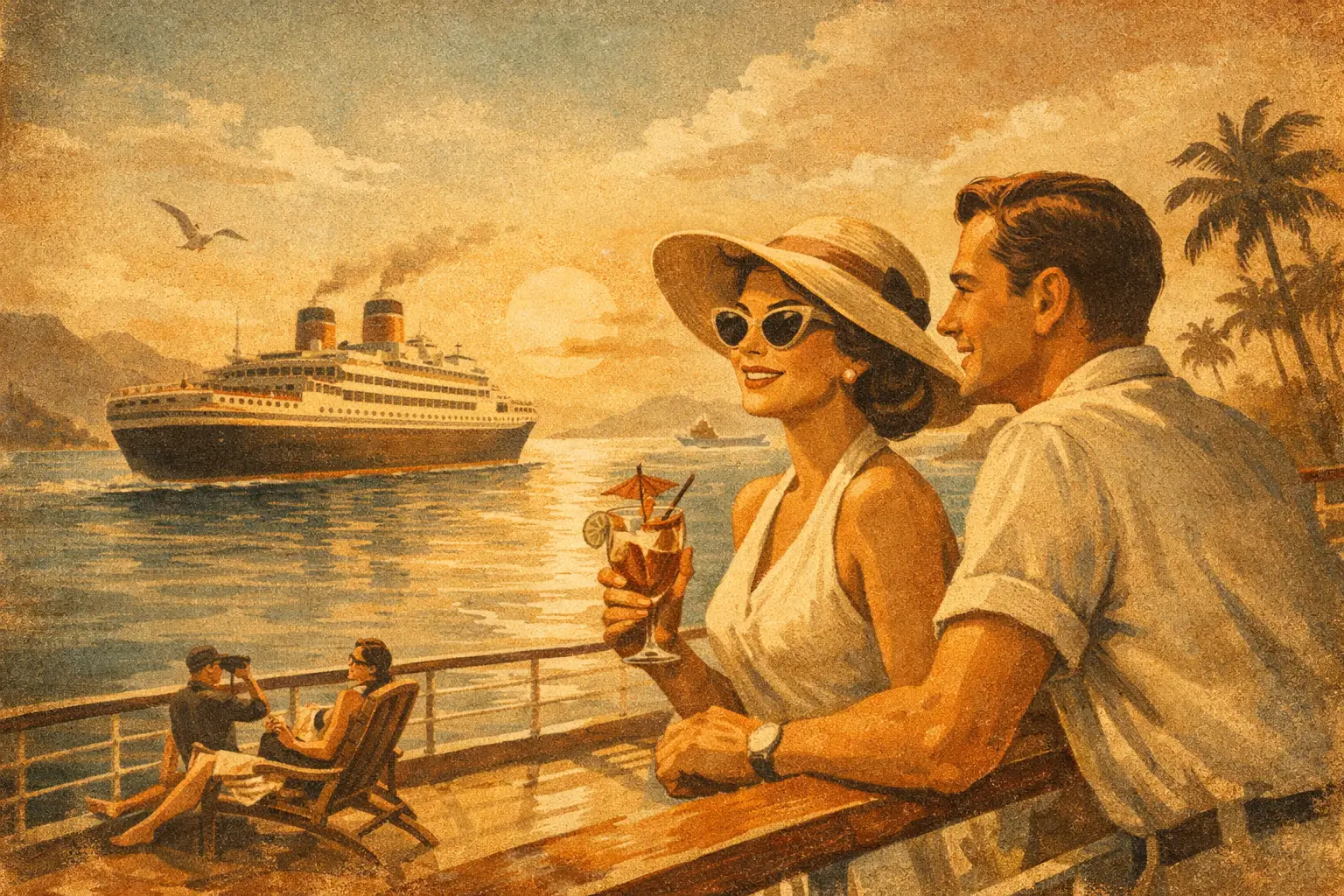
The first hint that cruise life may be for you often arrives before the ship even leaves port: a welcome melody drifting through the atrium, a sparkling drink in hand, and a horizon that feels like an open invitation. What makes cruise life appealing is not simply the promise of a vacation. It is the rare chance to let the practical details fade into the background while new cultures, flavors, and unexpected moments take center stage.
For travelers who crave more than a checklist of sights, life at sea has a special rhythm. One morning can begin with coffee and an ocean sunrise, move into a colorful market ashore, and end with live music under the stars. The ship becomes your home base, but the story keeps changing around you.
What Makes Cruise Life Appealing Beyond the View
Ocean views absolutely help. There is something calming about looking out from a balcony or an open deck and seeing nothing but water, sky, and possibility. But the deeper appeal is the feeling of spaciousness – not just physical space, but mental space. You do not have to pack and unpack at every stop, navigate unfamiliar train stations with luggage, or spend half the day deciding where to eat.
That ease creates room for curiosity. Instead of treating travel like a race, you can be present for the little things: the way a port city wakes up, the sound of a steel drum band near the pool, or the first bite of a dish that tastes completely different in its place of origin.
Cruise life also gives travelers permission to enjoy their own pace. Some guests rise early for a workout and a quiet deck walk. Others linger over brunch, disappear into a book, and meet the sunset like it is their only appointment. Both are valid. That flexibility is a luxury that can be hard to find on a tightly scheduled land vacation.
A New Destination Without Starting Over
Cruising is especially appealing for people who want variety without constant logistics. You can wake up in a new place while your suitcase stays exactly where you left it. In a single sailing, you might explore Caribbean beaches, wander historic European streets, taste fresh seafood in Alaska, or step into the vivid energy of a Mexican coastal town.
That does not mean every port deserves the same kind of day. Some destinations call for a guided cultural experience, especially if you want context behind the architecture, history, or local traditions. Others are best enjoyed slowly, with no agenda beyond finding a neighborhood café, listening to street musicians, and letting the atmosphere lead.
The beauty is that a cruise offers both. You can plan a memorable excursion in one port and keep the next one wide open. For culturally curious travelers, that balance turns an itinerary into something more personal than a string of photo stops.
The Ship Is Part of the Destination
A great cruise ship is not merely transportation between ports. It is a floating collection of moods. There are bright, social spaces where people gather for trivia, cocktails, and dancing, along with quiet corners where the only soundtrack is the water moving past the hull.
Music plays a big role in that atmosphere. A live band can turn an ordinary evening into a memory, whether you are singing along to a classic hit in the theater or hearing a jazz set in an intimate lounge. The best cruise moments often happen between the big events: a musician getting the crowd to clap along, a DJ transforming the deck after dark, or a stranger becoming a dance partner for one song.
For a brand like Musical Smile Guy, that blend of travel and sound is part of the magic. Music has a way of attaching itself to a place. Years later, one song can bring back the warm night air, the lights on the water, and the joy of being somewhere new.
Food Turns the Journey Into a Story
Cruise dining has come a long way from the old idea of choosing between a dining room and a buffet. Many ships now offer an impressive range, from elegant multi-course dinners to relaxed poolside favorites and destination-inspired menus. The appeal is not only convenience. It is the opportunity to follow your appetite across different styles of food without having to research, reserve, and commute to every meal.
Still, the most memorable bites are often tied to place. A shipboard meal may introduce you to a regional flavor, but tasting a local specialty in port adds another layer. Think flaky pastries after stepping ashore in a European city, spicy tacos from a family-run spot near the harbor, or freshly caught fish prepared with ingredients that belong to that coastline.
The sweet spot is enjoying both experiences. Let the ship take care of an easy breakfast before an early port day, then leave room for something local when you are ashore. Come back for a relaxed dinner, compare food stories with your travel companions, and decide what you want to try next.
Connection Happens More Naturally at Sea
Cruise life can be wonderfully social without requiring you to be “on” every minute. There is a low-pressure friendliness that grows when people are sharing the same journey. You may recognize familiar faces at breakfast, chat with fellow travelers while waiting for a show, or end up swapping favorite port recommendations with someone you met at a cooking demonstration.
That sense of connection matters, especially for solo travelers, couples looking to meet new people, or multigenerational families hoping to travel together without doing everything together. Everyone can choose their own adventure during the day and reconnect over dinner or a show at night.
Of course, the social atmosphere depends on the sailing. A short weekend cruise may feel energetic and party-forward, while a longer itinerary or smaller luxury ship can lean quieter and more intimate. Choosing the right ship, route, and season is part of creating the kind of cruise life that genuinely fits you.
The Trade-Offs Are Real
Cruise life is appealing, but it is not a perfect match for every traveler or every trip. Time in port can be limited, which means you may only get a beautiful introduction to a destination rather than a deep, unhurried stay. Popular ships can also feel busy during peak times, particularly around pools, elevators, and major shows.
There is also the question of pace. If your dream trip means settling into one city for two weeks, learning its daily rhythms, and finding your favorite corner table at a neighborhood restaurant, a land-based stay may be the better choice. Cruising works best when you see it as a curated sampling of places paired with an enjoyable journey in between.
Budget deserves an honest look, too. A cruise can make costs easier to anticipate because lodging, transportation between ports, and many meals are bundled together. Yet drinks, specialty dining, excursions, Wi-Fi, gratuities, and shopping can add up. The smartest approach is to decide what experiences matter most before you board, then spend intentionally on the moments you will truly remember.
Why the Feeling Lasts After You Disembark
The strongest case for cruise life may be how it changes your relationship with time. On land, days are often shaped by calendars, commutes, and constant decision-making. At sea, the day opens differently. You notice the weather. You pause for a view. You take the long way back to your cabin because the sunset is too good to rush.
That feeling does not have to disappear at the gangway. Bring a little of it home: make the recipe you loved in port, build a playlist from the trip, print the photo that makes you smile, or plan an evening with friends where everybody shares one travel dream. Cruise life is appealing because it reminds us that discovery is not reserved for a distant future. Sometimes it starts with saying yes to the next horizon.