
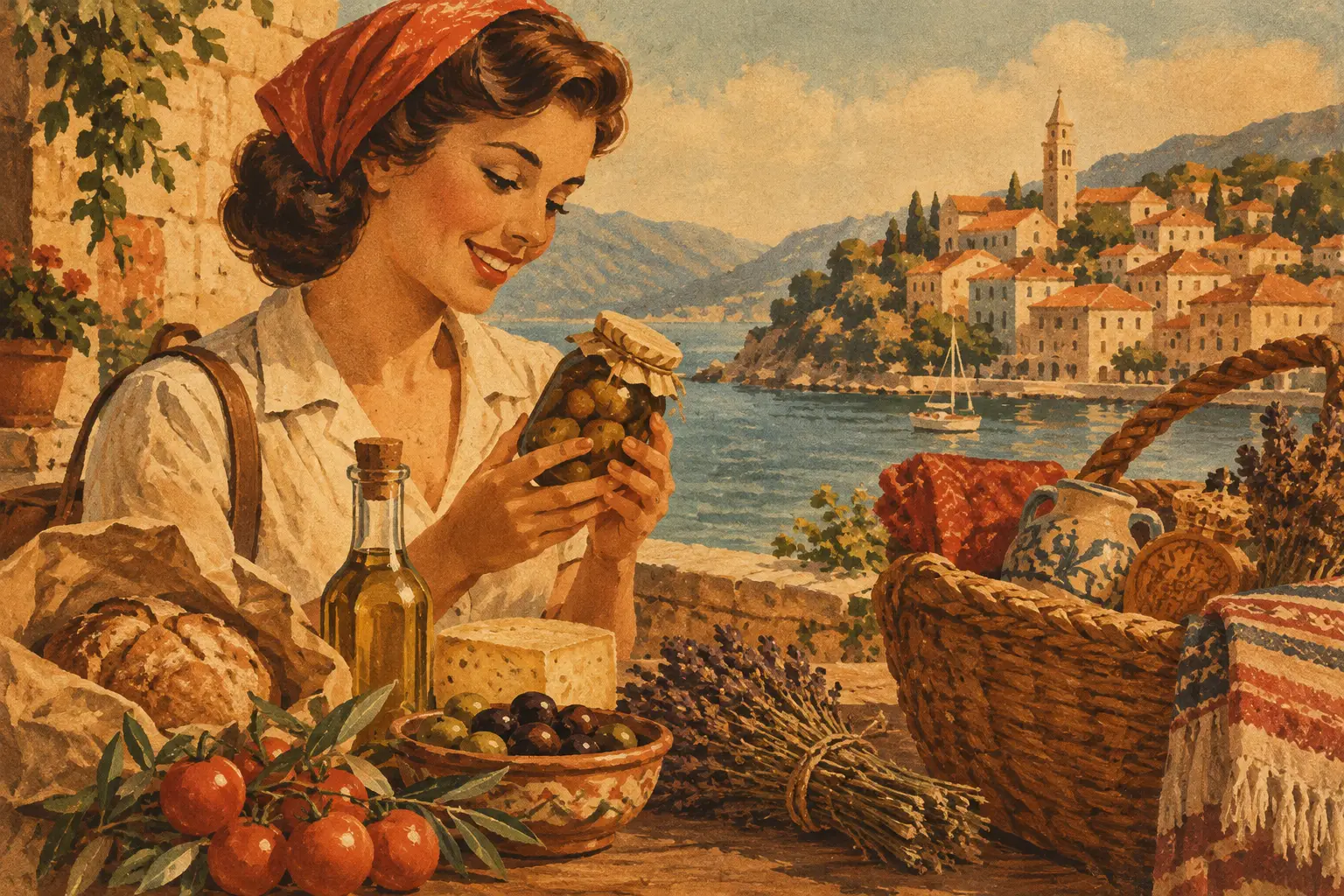
A destination can look beautiful in photos and still feel distant. Then a plate arrives: steam lifting from a bowl, a familiar song playing somewhere nearby, a server explaining the sauce with the kind of pride no guidebook can capture. That is the magic of local cuisine. It turns a place from a pin on a map into something you can remember with all your senses.
The best meals on the road are rarely about finding the fanciest table or checking off a famous dish. They are about catching the rhythm of a city, an island, or a neighborhood through the people who cook there. One bite can carry a family recipe, a migration story, a season of harvest, or the influence of ships that arrived generations ago. For travelers who want more than a quick photo opportunity, food is often the most welcoming introduction.
Local Cuisine Is a Living Part of the Destination
A great local dish is not simply “what people eat here.” It is a record of what has grown nearby, who has passed through, what families could preserve, and how cooks made something delicious out of what was available. Coastal communities build traditions around the morning catch. Mountain towns make the most of grains, dairy, and slow-cooked comfort. Port cities often create the most exciting mashups of flavors because their kitchens have always been open to the world.
That is why two restaurants can serve the same named dish and create completely different experiences. One may follow a recipe designed for visitors. Another may reflect the cook’s grandmother, the local market’s best produce, or a regional preference for more heat, more citrus, or a longer simmer. Neither is automatically wrong, but the second version usually tells a fuller story.
For cruise travelers especially, time in port can move fast. It is tempting to stay close to familiar options, particularly when a ship offers plenty of good food. But even one meal ashore can shift the entire day. The music from an open doorway, the greeting from the person behind the counter, and the flavors that only make sense in that setting create the kind of travel memory that lasts longer than a souvenir magnet.
Follow the Energy, Not Just the Ratings
Ratings can be useful, but they are not the whole story. A five-star review may point you toward polished service and a camera-ready dining room. It may not tell you whether local families actually return on a Tuesday afternoon, whether the kitchen buys from nearby fishermen, or whether the dish has a real connection to the region.
Start by noticing where the neighborhood feels alive. Is a small bakery selling out of warm bread before noon? Is a market stall surrounded by regulars ordering without looking at the menu? Is a modest restaurant full of conversation while the place next door is quiet? Those are meaningful clues.
Ask a simple question: “What do you love to order here?” It is friendlier and more revealing than asking for the most famous item. A server may steer you toward a daily special, a favorite side dish, or a drink that visitors often miss. Be open to the answer. The dish you did not plan to order may become the one you talk about for years.
There is a balance, of course. Popular restaurants are popular for a reason, and a celebrated regional classic can be absolutely worth seeking out. The goal is not to avoid places travelers love. It is to leave room for surprise alongside the must-try list.
Markets Tell the Story Before the Meal
If you want to understand a destination’s flavor, spend time where ingredients change hands. Markets are full of visual clues: herbs bundled by the handful, fruit stacked in impossible colors, fish displayed on ice, spices measured with practiced speed. Even when you cannot identify every ingredient, you can see what matters to the local table.
Markets also invite curiosity without requiring a formal reservation. Stop for a fresh juice, a small pastry, grilled seafood, or a snack made right in front of you. Watch what locals choose. Notice which stalls have a line. These moments can be just as memorable as dinner, and they often reveal the everyday side of a place rather than its tourist-facing version.
Eat With Respect and a Sense of Adventure
Trying unfamiliar food does not mean treating another culture like a dare. The best approach is respectful curiosity. Learn the name of the dish. Ask what is in it. Let the person serving it share what makes it special. When a meal includes ingredients you do not normally eat, you can be honest about your comfort level without dismissing the tradition behind it.
This matters because food is personal. A recipe may represent celebration, survival, faith, family, or home. Calling something “weird” closes a door that a little curiosity could open. A better response is, “I’ve never had this before. How is it usually enjoyed?” That one question invites conversation, and conversation is where a meal becomes an experience.
Dietary needs deserve the same care. Travelers with allergies, religious restrictions, or specific dietary preferences should communicate clearly and kindly. It helps to research a few essential food words before arriving, especially when language barriers are likely. You can still explore local flavor through produce, breads, sauces, beverages, and preparations that fit your needs. A meaningful food experience does not require eating everything.
Let Food Meet Music and Place
Some meals are delicious because of the recipe. Others become unforgettable because of the soundtrack. Think about a plate of street food enjoyed while a brass band plays nearby, a quiet island lunch with waves in the background, or a late-night dessert after hearing live music spill into the street. Food does not exist separately from the atmosphere around it.
That connection is worth seeking out intentionally. Look for restaurants hosting local performers, neighborhood festivals, cooking demonstrations, or waterfront spots where the setting feels true to the destination rather than copied from somewhere else. The experience does not need to be expensive. A paper tray of something grilled, a cold local drink, and the right song at the right moment can feel more luxurious than a formal dining room.
At Musical Smile Guy, that is the kind of travel moment worth celebrating: the place where flavor, rhythm, and human connection all show up at once. It is not about performing expertise or proving how adventurous you are. It is about being present enough to feel the destination answer back.
Bring the Story Home, Not Just the Recipe
The real souvenir from local food is often a new way of seeing your own kitchen. Maybe you return craving brighter citrus, a different spice blend, slower meals with friends, or the confidence to order something unfamiliar at home. You may never recreate a dish exactly, and that is okay. Ingredients, climate, and context all matter. A taco on a sunny street corner or a bowl of stew served by someone who has made it for decades cannot be fully duplicated.
Still, you can carry the spirit of the experience with you. Write down the name of a dish while the details are fresh. Save a photo of the market sign, not only the finished plate. Remember the music, the neighborhood, and the person who made the recommendation. Those details turn a meal into a story you can share long after the trip.
The next time you arrive somewhere new, give yourself permission to follow the aroma around the corner. Sit down, ask a question, taste slowly, and let the meal introduce you to the place. The most memorable journeys are often served one local plate at a time.