
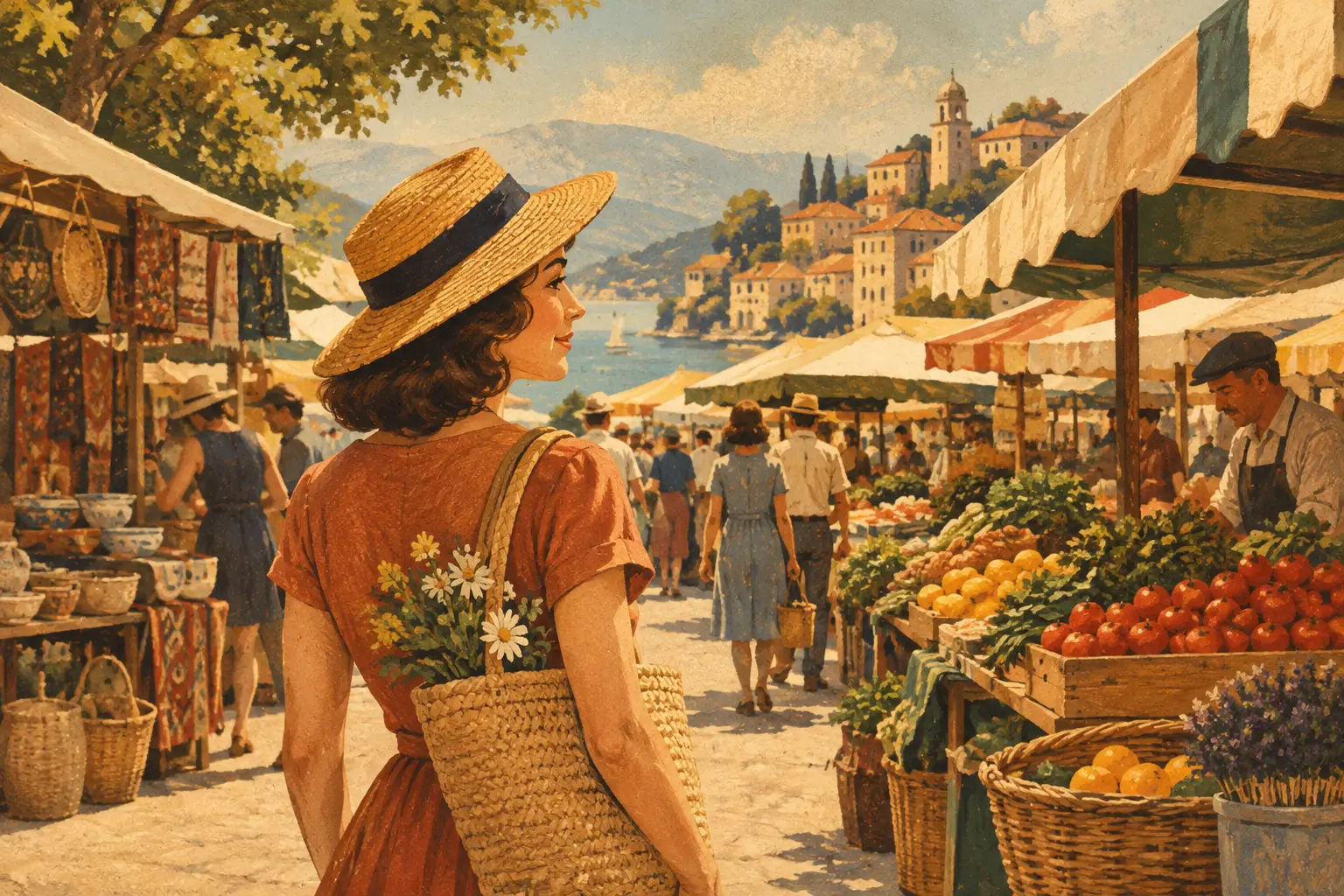
The fastest way to hear a destination’s real soundtrack is not always from a rooftop bar or a famous landmark. Sometimes it is the call of a fishmonger over crushed ice, the hiss of a grill, the quick back-and-forth between a vendor and a regular. This local market travel guide is for travelers who want more than a souvenir bag. It is for those of us who want to taste the place, catch its rhythm, and leave with a story that still feels alive after the flight home.
Markets are where food, family, work, celebration, and everyday life meet in public. They can be glamorous, messy, quiet, crowded, polished, or wonderfully chaotic. That is exactly why they belong on your travel itinerary.
Why local markets make travel feel personal
A museum can tell you what a city values. A market can show you how people live. Look around and you will see what is in season, what gets cooked on a busy weeknight, what people bring to a friend’s house, and which ingredients inspire fierce local pride.
For cruise travelers, markets can be especially meaningful. A port day often comes with a clock, a map, and a tempting list of organized excursions. Those can be fantastic, particularly when a destination is spread out or transportation feels uncertain. But if a well-reviewed market sits within an easy, safe ride of the port, it can offer a more intimate slice of the city than a quick photo stop ever could.
The goal is not to collect the most exotic bite or prove how adventurous you are. It is to be curious with respect. The best market moments tend to happen when you slow down long enough for a vendor to explain what you are tasting, or when a snack becomes the reason you strike up a conversation.
Before you go, make room for the moment
A little preparation keeps a market visit joyful instead of frantic. First, find out what kind of market you are visiting. Some are primarily fresh produce markets that are busiest in the early morning. Others come alive at lunch, after work, or late at night with steaming food stalls and live music nearby. A market that looks sleepy at 3 p.m. may be spectacular at 9 a.m.
Check the days it operates, whether cards are widely accepted, and how you will get there and back. For a cruise stop, build in a generous return buffer. The most unforgettable grilled seafood is not worth testing the ship’s departure time. If you are on land, ask your hotel host, driver, or a local barista which market they actually use. That last detail often points you beyond the most tourist-heavy option.
Bring small bills in the local currency, a reusable tote, hand sanitizer, and a little flexibility. Keep valuables close in a crossbody bag or front pocket, especially in packed aisles. Most markets are welcoming places, but travel awareness is still part of traveling well.
You do not need to arrive with a shopping list. In fact, leaving some space for surprise is the point. Give yourself one simple mission: find a flavor, ingredient, or handmade item you have never tried before.
Dress for tasting, walking, and carrying
Skip the outfit that cannot survive a splash of fruit juice or a squeeze through a busy lane. Comfortable shoes matter more than almost anything, particularly in old markets with uneven floors. Wear layers if you are visiting an open-air market, and keep your hands free when possible.
If you are filming or taking photos, start small. A phone is usually less intrusive than a large setup. Capture color, movement, hands at work, and the little details that bring a scene to life: citrus stacked like sunshine, spices in jewel tones, a baker sliding warm bread onto a tray. Then put the camera down and taste something.
How to move through a market with respect
Think of a market as a community workplace, not a theme park built for visitors. That mindset changes everything. Walk at the local pace. Avoid blocking narrow aisles for photos. Ask before photographing people, especially vendors and shoppers. A smile and a simple gesture toward your camera go a long way when you do not share a language.
Buy something when you can. It does not have to be expensive. One piece of fruit, a small pastry, a spice packet, or a ready-to-eat snack is a meaningful way to participate. If you sample a product, purchasing a portion is generally the gracious move.
Language does not need to be perfect to create connection. Learn hello, thank you, and a phrase for “What do you recommend?” before you arrive. Pointing is fine. So is laughing gently at your own pronunciation. Curiosity is universal, and vendors often light up when you ask how an ingredient is used at home.
At the same time, read the room. A crowded breakfast rush is not always the best time for a long conversation. If a vendor is moving quickly, make your order clear, pay promptly, and save the deeper questions for a quieter stall.
Eat with curiosity, not a checklist
The internet loves a “must-eat” list, and some iconic market dishes truly deserve the hype. Still, chasing only the famous item can make you miss the best thing in front of you. Follow the signs of daily life: a line of locals, a stall with brisk turnover, a vendor making one dish again and again with confidence.
Start with something cooked to order or served hot. Watch how the food is handled, notice whether the stall looks busy and clean, and trust your instincts. Food safety is not about avoiding street food altogether. It is about choosing wisely. In warmer climates, be more selective with raw items, foods that have sat out for a long time, and anything made with water you have been advised not to drink.
Try balancing a familiar anchor with a new flavor. Maybe you know you love grilled chicken, but the local sauce introduces smoky chilies, tamarind, herbs, or a sweet-sour note you have never had. Maybe a simple mango tastes nothing like the one from your grocery store because it was picked nearby and ripened naturally. Those small comparisons are where a destination becomes deliciously specific.
And please, do not rush from bite to bite. Find a corner, a bench, or a communal table. Let the sounds around you do their work. Markets have their own percussion: knives chopping, cups clinking, bags rustling, laughter rising above the crowd. It is travel with a beat.
Shop for stories you can actually carry home
Markets can be tempting, and a good tote bag fills up fast. The most satisfying purchases are not always the biggest or flashiest. Look for items connected to your experience: a local seasoning you learned to use, a tea blend that reminds you of a rainy afternoon, a handmade textile from the artist who explained the pattern.
Food gifts require a little planning. Check customs rules before buying meat, fresh produce, seeds, or certain dairy products. Pack sealed dry goods carefully, and remember that liquids, sauces, and jams may need to go in checked luggage. If you are cruising, also consider whether your cabin has room and whether the ship permits you to bring perishable items aboard.
For handmade goods, ask who made the item and where. That question is not an interrogation. It is an invitation for the story behind a ceramic glaze, a woven basket, or a carved utensil. Price negotiation varies widely by culture and market. In some places, it is expected; in others, fixed prices are the norm. If bargaining is appropriate, keep it warm and fair. Saving a dollar is not more important than honoring someone’s work.
Turn a market visit into a memory worth sharing
The magic does not end when you leave the market. Back at your hotel, on the ship, or once you are home, take a few notes while the details are fresh. What did the air smell like? Which song was playing nearby? Who made you laugh? What did you taste that surprised you?
If you share the experience online, tell the fuller story. Name the dish if you know it, credit the maker when appropriate, and avoid presenting a community’s everyday life as a quirky backdrop. The best travel storytelling makes people feel invited into a place, not as if they have consumed it.
You can also extend the experience through your own kitchen. Recreate one simple market-inspired snack, build a playlist around the trip, or serve a friend the spice blend you brought home. The flavor may not be identical, and that is okay. Travel memories are not meant to be copied perfectly. They are meant to keep moving, changing, and sparking the next adventure.
The next time you arrive somewhere new, follow the scent of coffee, grilled corn, fresh bread, or sea air toward the nearest market. Bring your appetite, bring your curiosity, and leave enough room in your day for an unplanned conversation. That is often where the destination starts singing back.
Leave a Reply