
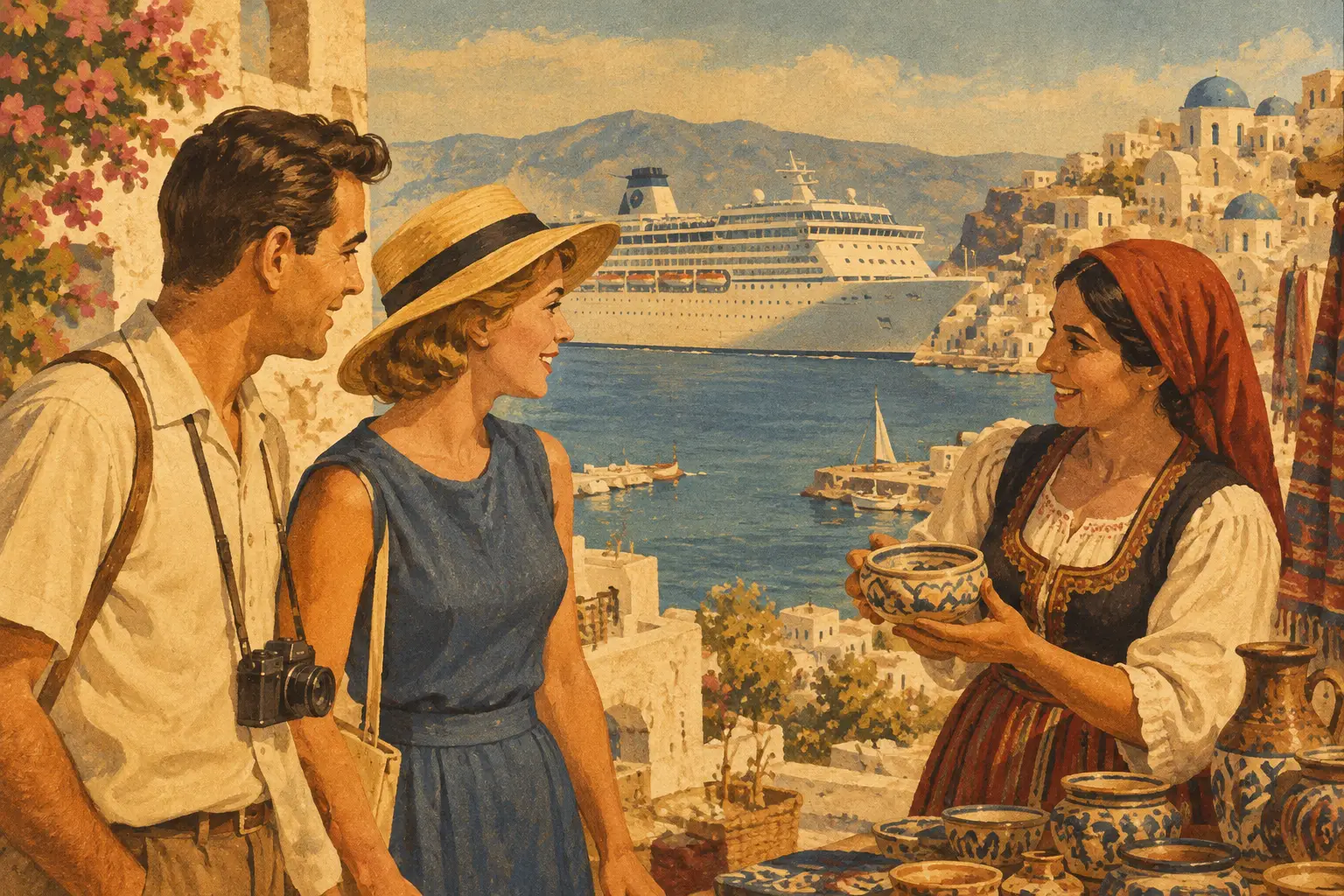
The steel drum starts before you can see the player. You are stepping off the ship into a Caribbean port, the air smells like salt and grilled spice, and suddenly the destination feels less like a pin on an itinerary and more like a living rhythm. So, do cruises offer cultural immersion? They can – but the experience depends far more on how you travel than on the fact that you arrived by ship.
A cruise is not the same thing as living in a place for a month, taking the neighborhood bus, or becoming a regular at the corner café. It is a curated way to move through multiple destinations. Yet a cruise can create real cultural connection when you make room for local voices, local flavor, and the unexpected moments that do not fit neatly into a brochure.
For travelers who love music, food, stories, and breathtaking landscapes, that is good news. Your ship may be your floating home, but the soul of the trip is waiting on shore.
Do cruises offer cultural immersion or just quick stops?
The honest answer is both are possible. A port call can become a quick photo, a souvenir, and a return to the buffet before lunch. There is nothing wrong with a relaxed day, especially when the ship itself is part of the vacation. But cultural immersion asks for a little more attention.
It means choosing experiences that bring you closer to the people who call a destination home. It means hearing the history behind a street, learning why a certain dish matters, and noticing the music playing from an open doorway. You may only have eight hours in port, but eight thoughtful hours can leave a deeper impression than a full day spent rushing from landmark to landmark.
Cruises also make cultural variety unusually accessible. In one sailing, you might hear salsa in San Juan, taste jerk chicken in Jamaica, watch a glassblower at work in the Mediterranean, and walk past centuries-old architecture in Northern Europe. The trade-off is time. You get breadth rather than deep, slow familiarity. The goal is not to pretend otherwise. The goal is to travel with enough curiosity that each stop feels human, not just scenic.
Start with an itinerary built around place
Some cruise itineraries are designed around beach time, while others give culture much more room to shine. Before booking, look beyond the ship’s amenities and study the ports themselves. Ask whether the itinerary includes overnight stays, longer days in port, or smaller cities alongside the major names.
An overnight in a city can change everything. Instead of seeing a destination only during its busiest daytime hours, you might catch live music after sunset, enjoy a dinner that is not shaped around a ship departure time, or wander through a neighborhood as locals are heading out for the evening. Those are often the moments that stay with you.
Smaller ships can sometimes dock closer to historic centers or visit ports that larger vessels cannot reach. That does not mean a big-ship cruise cannot be meaningful. Larger ships often offer a wide range of excursions and onboard programming. It simply means that ship size, route, and time in port all shape what is possible.
If culture is your priority, resist the urge to treat every destination as a checklist. Two well-chosen ports with generous time ashore may be more rewarding than seven rapid-fire stops.
Let food tell you where you are
Food is one of the fastest ways to move beyond the surface of a place. A local meal is never just a meal. It carries climate, migration, family traditions, trade routes, celebrations, and personal pride.
That can be as simple as ordering something you have never tried from a family-run spot near the port. In Mexico, it could mean seeking regional dishes rather than assuming every menu tells the same story. In Greece, it might be a long lunch with ingredients grown nearby. In Alaska, it may be learning how salmon connects to landscape, season, and community.
Cruise dining can introduce regional themes, but eating on shore usually gives you a clearer sense of place. Look for food tours led by locals, market visits, cooking demonstrations in a home or small kitchen, and restaurants where residents are actually dining. These experiences offer more than a beautiful plate. They create conversation.
Be respectful with your choices. Do not demand that every meal be familiar, and do not treat a local food tradition as a social media dare. Ask questions, listen to the answers, and enjoy the delicious privilege of being welcomed to someone else’s table.
Follow the music, not just the map
For a music-loving traveler, every port has a soundtrack. Sometimes it is polished and planned – a folklore performance, a jazz club, a dance lesson, or a concert in a historic venue. Other times it is a guitarist outside a market, a church choir in rehearsal, or the bass line floating out of a passing car.
Music gives a destination emotional texture. You may not remember every date from a guided tour, but you will remember the feeling of hearing a local rhythm in the place where it was born. That is why cultural immersion often begins when you slow down enough to listen.
Before sailing, look up the musical traditions of each region on your itinerary. Then leave room to discover something unplanned. A local guide can point you toward a performance, but so can a friendly conversation with a shop owner or bartender. If you attend a performance, support the artists directly when appropriate and follow local etiquette around photos and recording.
At Musical Smile Guy, that blend of travel, food, and sound is the magic: a destination becomes more vivid when you let all three speak at once.
Choose excursions with real local connection
Ship-sponsored excursions offer convenience, clear timing, and the comfort of knowing the vessel will wait if the tour runs late. Independent tours can offer smaller groups, more flexibility, and a more personal angle. Neither choice is automatically more authentic.
What matters is who is leading the experience and where your time and money go. Look for guides who live in the destination, small-group tours with a clear focus, and experiences built around local expertise rather than generic sightseeing. A historian sharing family stories, a chef walking you through a market, or an artist teaching a traditional craft can reveal far more than a drive-by tour.
Be wary of activities that turn communities into a backdrop. If an excursion promises an overly staged version of daily life, keeps you separated from local people, or rushes you through a village for photos, it may feel less meaningful than advertised. Authenticity is not a costume someone puts on for visitors. It is built through exchange, respect, and context.
You do not need to fill every minute with an organized activity, either. A self-guided walk through a local museum, a neighborhood bookstore, or a public market can be wonderfully revealing when you have researched the area, understand your timing, and stay aware of safety guidance.
Bring curiosity without taking over the moment
Cultural immersion is not about collecting proof that you traveled well. It is about being present. Learn a few greetings in the local language. Read enough history to understand what you are seeing. Ask permission before photographing people, particularly in places of worship, markets, or intimate community settings.
It also helps to leave some assumptions on the ship. Local pace may feel different from yours. Service styles, meal times, personal space, and social customs may not match what you expect at home. That difference is not an inconvenience to correct. It is part of the invitation to see the world more generously.
And remember that a port city is not a theme park built for visitors. People are going to work, raising families, creating art, and protecting traditions there long after the ship sails away. Spend thoughtfully, tip fairly where customary, follow environmental rules, and choose vendors whose work reflects the place rather than mass-produced souvenirs.
Make the ship part of the cultural story
The cultural experience does not have to end at the gangway. A well-designed cruise can extend what you learned ashore through destination talks, regional menus, guest musicians, cooking classes, and local partnerships. These offerings vary widely by cruise line and itinerary, so it is worth checking the daily program rather than assuming the onboard entertainment will connect to the ports.
Use the quiet time at sea to process what you experienced. Write down the song you heard in a bar, the ingredient you tasted for the first time, or the story a guide told that surprised you. Those details can keep a trip from blending into a blur of beautiful views.
The best cruise travelers do not arrive expecting a destination to perform for them. They arrive ready to participate with warmth, patience, and an open mind. Join the adventure with that spirit, and even a short day in port can become a story you will carry long after the last sail-away song fades.