
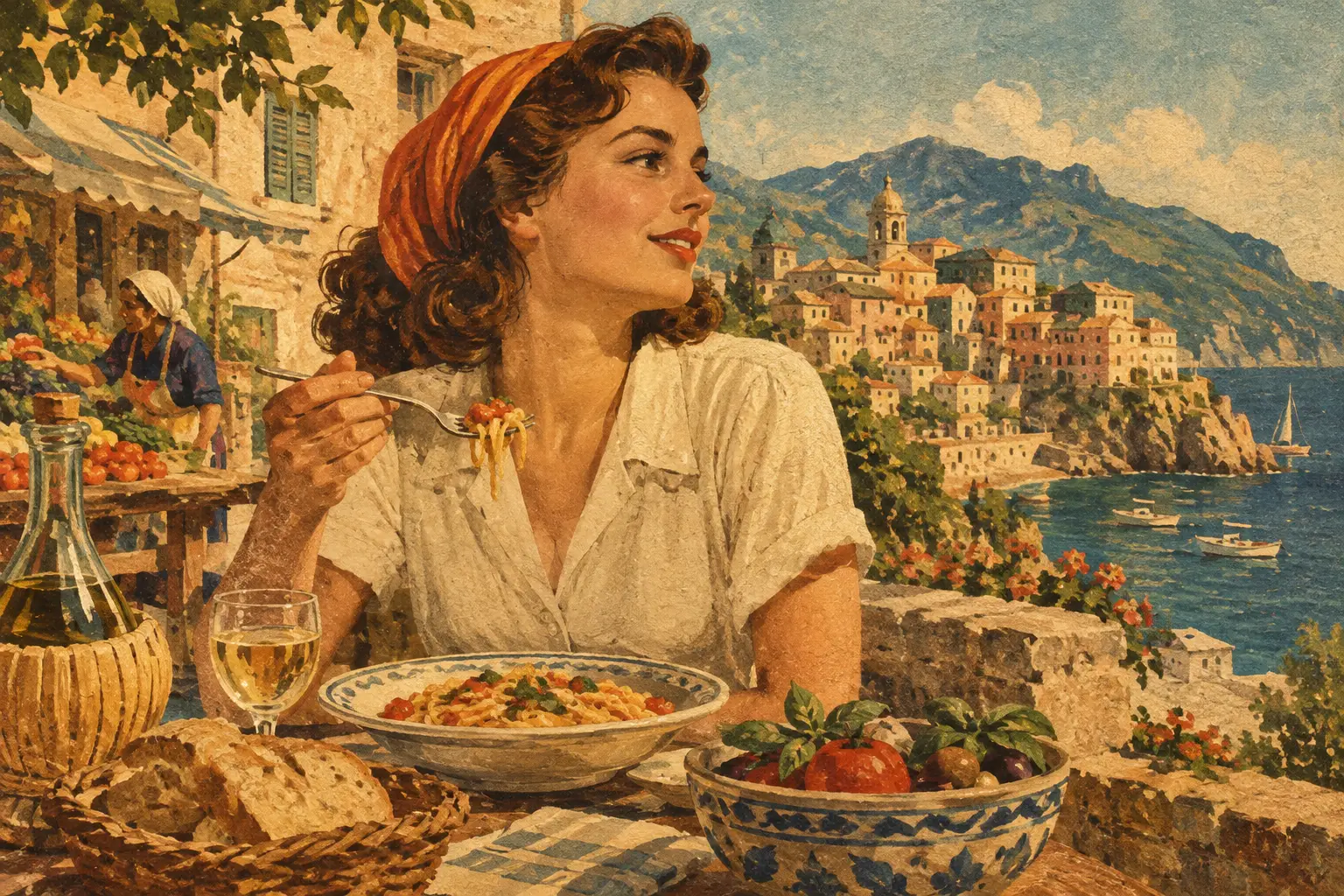
The first bite can change the whole mood of a trip. It might be a warm pastry handed across a tiny counter in Lisbon, smoky jerk chicken near a Caribbean port, or handmade pasta served in a family-run trattoria after the music from the street has faded. Destination food culture is not simply about finding a great meal. It is about tasting the personality of a place and feeling, even briefly, like you have been welcomed into its rhythm.
For travelers who want more than a checklist of landmarks, food offers a direct path to connection. It carries history, celebration, migration, family memory, and local pride. And when you pair that first taste with a neighborhood soundtrack, a sunset view, or a conversation with someone who knows the city well, it becomes the kind of travel memory that stays with you long after the suitcase is unpacked.
Destination Food Culture Is a Story You Can Taste
Every destination has a flavor language. In New Orleans, it may sound like brass music spilling from a doorway while gumbo simmers nearby. In Japan, it can be the quiet precision of a sushi counter, where every gesture feels intentional. In Mexico City, it may arrive in the bright, bold contrast of salsa, corn, citrus, and smoke.
These meals matter because they reveal what a community values. A dish can tell you which ingredients grow nearby, what trade routes shaped the region, which families brought traditions from elsewhere, and what people gather around when there is something worth celebrating. Food is one of the most approachable ways to understand culture because you do not need a lecture to feel it. You sit down, take a bite, and the place begins speaking for itself.
That does not mean every memorable meal has to come from a famous restaurant. Sometimes the real magic is in the everyday places: the breakfast spot crowded with regulars, the market vendor moving at lightning speed, the café where locals linger over coffee instead of rushing out the door. Those are the moments that make a destination feel lived in rather than simply visited.
Let the Local Rhythm Lead the Way
The best food experiences often begin when you loosen the schedule a little. A reservation at a celebrated restaurant can absolutely be worth it, especially for a milestone trip or a city known for its culinary scene. But a destination becomes more vivid when there is room for an unexpected recommendation, a street you had not planned to walk down, or a dish you cannot pronounce but cannot stop thinking about afterward.
Start by noticing when people eat. In some places, lunch is the main event. In others, dinner begins much later than many American travelers expect. A market may be at its most exciting in the early morning, while a night-food scene may not truly come alive until well after sunset. Matching the local pace changes the experience. You are no longer asking the destination to operate on your routine. You are stepping into its flow.
Music can help set that tone, too. A travel playlist is not just background noise between stops. The right song can make a coastal drive feel cinematic, turn a train ride into a moment of reflection, or bring you right back to a favorite meal months later. Food, music, and place have a beautiful way of attaching themselves to one another in memory.
Look Beyond the “Must-Try” List
Popular dishes deserve their moment, but they are only the opening act. If everyone tells you to order one iconic specialty, go for it. Then ask the person serving you what they love, what their grandmother used to make, or what locals order when they are hungry after work.
That question can lead somewhere special. You may learn that the dish a city is famous for is mostly for visitors, while the real local favorite is a simple soup, a regional sandwich, or a pastry that never makes it into the guidebooks. It is not about proving you found something obscure. It is about being curious enough to let people share what matters to them.
The People Behind the Plate Matter
A great meal can be visually stunning, but the human story is what gives it depth. Consider the chef preserving a recipe passed down through generations, the fisherman bringing in the morning catch, or the baker who opens before sunrise because that is how their family has always done it. When we make room for those stories, food becomes more than content for a camera roll.
This is especially meaningful when traveling through communities whose cuisines have been overlooked, simplified, or treated as trends. Give credit to the people and cultures that created the food. Learn the names of dishes. Be open to being corrected on pronunciation. Respect the traditions without acting as though they belong to you after one meal.
There is a joyful balance here. You can celebrate loudly, take the photo, share the plate, and tell your friends about it. Just keep the focus on appreciation rather than performance. The most memorable food content does not say, “Look what I found.” It says, “Look at this beautiful place and the people who made me feel welcome.”
Cruise Ports Can Be Culinary Gateways
For cruise travelers, food culture can be one of the most exciting reasons to get off the ship. A port day is often short, which makes it tempting to choose whatever is closest, fastest, and most familiar. Sometimes that is exactly what works, especially when the weather shifts or the day is packed with other plans. But even a few intentional choices can turn a brief stop into a true taste of the destination.
Before heading ashore, identify one local food experience that feels realistic for your timetable. Maybe it is a seafood shack near the harbor, a spice market, a casual rum tasting, or a spot known for a signature dessert. Leave a little buffer for getting back to the ship, and do not chase a faraway restaurant just because it is trending online. The trade-off is simple: the farther you travel, the more time and energy you spend getting there. A nearby neighborhood with genuine local flavor can be a better story than a rushed, expensive meal across town.
A port day also invites you to be present. Order the regional specialty, sit outside if you can, listen to the sounds around you, and resist the urge to treat every moment like a race. Even a small plate can become a highlight when you give it your full attention.
How to Eat With Curiosity and Respect
Traveling through food does not require an expert palate or a huge budget. It asks for curiosity, flexibility, and a little humility. Try one thing you would not usually order. Learn whether tipping, sharing, or dining times work differently than they do at home. If you have allergies or dietary restrictions, communicate clearly and kindly, while understanding that substitutions may not always be possible.
Budget matters, too. A destination can be delicious at every price point, but the most talked-about restaurant is not automatically the most meaningful choice. Splurge where the experience feels special to you, then leave room for casual meals, local markets, and snacks that make the day feel spontaneous. The $3 treat from a neighborhood bakery may become just as memorable as the reservation you booked months ahead.
It also helps to slow down before posting. Ask yourself what story the image tells. Is it capturing the colors of a dish, the energy of a market, the laughter around the table, or the setting that made the meal feel unforgettable? The most engaging travel memories have feeling behind them. They invite people into the moment rather than simply showing them what was consumed.
Bring the Flavor Home Without Copying the Trip
A destination meal does not need to end when the trip does. Bring home a spice blend, a locally made condiment, a cookbook, or simply a better understanding of how a dish is meant to be enjoyed. Put on the music that played during your walk to dinner. Recreate a small piece of the experience for friends, then tell them about the person, place, or conversation that made it meaningful.
The goal is not to perfectly reproduce a meal from another culture in your kitchen. You probably cannot, and that is okay. The goal is to keep your curiosity alive. Let a favorite taste inspire your next travel day, your next dinner party, or the way you pay attention when a new restaurant opens in your own neighborhood.
The next time you travel, save room for the unexpected plate, the local recommendation, and the soundtrack that makes it all feel alive. Join the adventure with an open mind and an appetite for connection, because the most powerful souvenir may be the story you carry from one shared meal.
Leave a Reply