
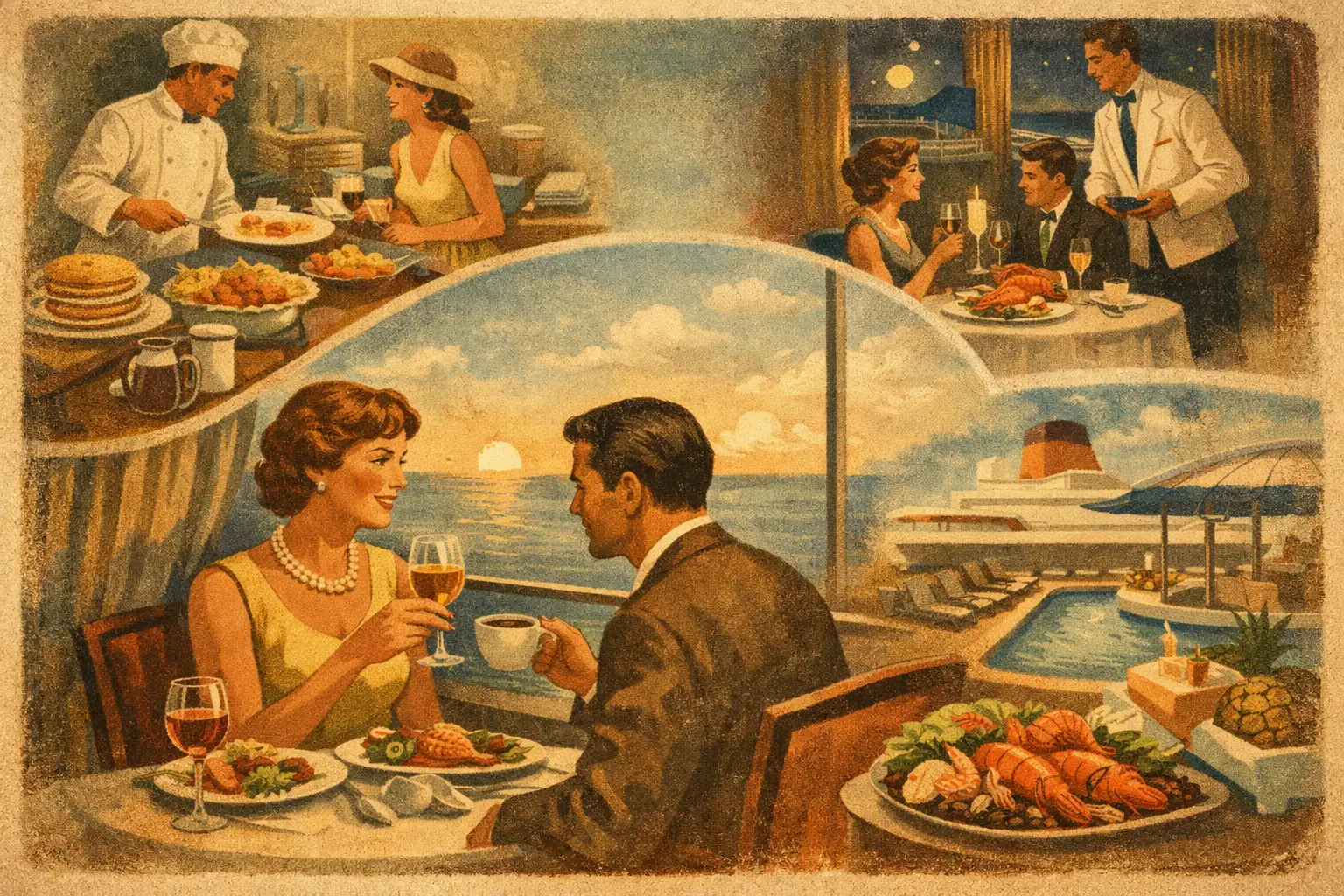
The first meal on a cruise can set the rhythm for the whole trip. You have dropped your bags, the ship is humming with possibility, and suddenly there are more menus than you expected. This cruise dining guide is here to make that moment feel exciting, not overwhelming – because dining at sea is not just fuel between ports. It is one of the best ways to experience the personality of a ship, share stories, and turn an ordinary Tuesday night into a memory.
A great cruise meal might be a slow breakfast with ocean views, a bowl of pasta after a sun-soaked shore day, or a late-night snack while live music spills into the corridor. The trick is not trying to eat everything. It is choosing the moments that feel most like your vacation.
Start With the Ship’s Dining Rhythm
Most cruise ships offer a mix of included dining and specialty restaurants with an additional charge. Included options often feature a main dining room, buffet, casual poolside spots, cafés, and sometimes a quick-service pizza or burger counter. Specialty venues may focus on steak, seafood, Italian cuisine, sushi, teppanyaki, French-inspired cooking, or a chef-led tasting menu.
Before sailaway, take ten minutes to check the cruise line’s app or daily schedule. Look at restaurant hours, reservation requirements, dress expectations, and the menus for your first few evenings. This little bit of planning keeps you from discovering that the restaurant you were excited about is fully booked until the final night.
There is a trade-off, though. Booking every dinner before you board can make a cruise feel over-scripted. Reserve the one or two experiences you truly do not want to miss, then leave room for an unexpected sunset, a new friend’s invitation, or an evening when the main dining room menu simply sounds perfect.
Pick a Dining Time That Fits Your Travel Style
Traditional dining gives you the same seating time and often the same tablemates each evening. It is a lovely choice for travelers who enjoy familiar faces, attentive service that becomes more personal over the week, and a dependable evening rhythm. If you are cruising with a larger family or group, it can also make gathering easier.
Flexible dining lets you choose your dinner time nightly, usually within a broad window. It works well if you want shore excursions to set the pace, prefer to catch a show before dinner, or like deciding based on your mood. The downside is that popular times can require a reservation or a short wait.
Think about the kind of vacation you want before choosing. A ship can offer every possible dining style, but your best fit may be as simple as this: early dinners for early mornings in port, or later dinners for travelers who believe golden hour deserves its own soundtrack.
Your Cruise Dining Guide to Included Restaurants
Included food is often far better than the old cruise clichés suggest. The main dining room is usually where the ship brings a sense of occasion without asking for an extra payment. Expect a rotating menu with a few always-available comfort dishes, plus selections that may reflect the itinerary, regional ingredients, or the chef’s style.
Use the main dining room for the evenings when you want to slow down. Order something you would not usually make at home. Ask your server what they love on the menu. If two appetizers sound tempting, it is perfectly reasonable to share them or request both, depending on the cruise line’s policy and portion style. The goal is curiosity, not excess.
The buffet is at its best when you treat it like a flexible food hall rather than a challenge. On embarkation day, it is often the quickest option, but it can be crowded. Once the ship settles into its routine, the buffet becomes useful for an easy breakfast, a light lunch between activities, or a low-key dinner after a long port day.
Look beyond the first station you see. Many ships have made-to-order counters, international selections, carving stations, fresh fruit, and quieter seating farther from the entrance. A plate built around a few things you genuinely want will feel much better than sampling half the room just because it is there.
Casual included venues deserve attention, too. A crisp slice of pizza, tacos by the pool, or a well-timed sandwich can be exactly right when you are in a swimsuit and not interested in a formal meal. These spots also make excellent alternatives on port-intensive itineraries, when you would rather spend the evening watching the water than sitting through a multi-course dinner.
When Specialty Dining Is Worth It
Specialty restaurants can create some of the most memorable meals on board, especially for celebrations or sea days when you have time to linger. The extra cost can be worthwhile when the venue offers a distinct atmosphere, a cuisine you love, or a level of service that feels separate from the ship’s daily flow.
That said, a cover charge does not automatically mean a better experience. Read the menu first. If the specialty steakhouse feels close to what you can enjoy at home, your money may be better spent on a chef’s table, a regional tasting menu, or a restaurant with a theatrical element such as open-fire cooking or a lively teppanyaki grill.
Many cruise lines offer dining packages. They can be a smart value if you know you want multiple specialty meals, but compare the package rules carefully. Some limit which restaurants or menu items are included, and some make it harder to book prime dinner times. If a package feels like pressure to schedule every evening, skip it. Vacation should not turn into a spreadsheet with a view.
For a special night, book early in the sailing. You will have more energy, more flexibility if plans change, and a chance to return if the experience becomes a favorite. A specialty dinner on the first or second sea day can also be a beautiful way to settle into the adventure.
Let the Itinerary Influence the Plate
The most flavorful cruise dining strategy begins off the ship. When your itinerary visits a destination known for a particular dish, make room to try it ashore. Fresh conch in the Bahamas, jerk-seasoned flavors in Jamaica, local seafood in Alaska, or tapas in Spain can connect you to a place in a way no generic souvenir can.
You do not need to chase the most elaborate restaurant in every port. Sometimes the meal you remember is a simple pastry from a neighborhood bakery, a market snack recommended by a local guide, or a cup of coffee enjoyed while a city wakes up around you. If you have a food-focused excursion, consider keeping lunch light on the ship so you arrive hungry and curious.
Onboard menus may also nod to the regions you are sailing through. Treat those dishes as an invitation to explore, while remembering that the destination itself usually offers the most direct taste of local culture. The best balance is to enjoy the ship’s culinary creativity without missing the flavors waiting beyond the gangway.
Dietary Needs Deserve an Early Conversation
Travelers with food allergies, celiac disease, diabetes, religious dietary requirements, or plant-based preferences should not have to settle for an anxious vacation meal. Notify the cruise line when you book, confirm the information before sailing, and speak with the dining team once onboard. The earlier the conversation begins, the more options the kitchen can prepare thoughtfully.
At dinner, be specific and repeat key restrictions to your server. This is not being difficult. It is giving the team the information they need to take care of you. Main dining rooms are often especially helpful because the same staff can learn your preferences over several nights. Buffets require more caution because of labeling gaps and cross-contact risks, so ask before serving yourself.
If you are vegetarian or vegan, do not assume the lone menu symbol tells the full story. Ask whether a dish can be adjusted, whether there is an off-menu option, or whether the chef can prepare something in advance. A little communication can turn a repetitive week of sides into genuinely satisfying meals.
Make Room for the Moments Between Meals
Cruise dining is not only about dinner reservations. It is room-service coffee before a balcony sunrise, an afternoon tea break, a sweet treat after a dance party, and the familiar comfort of a late-night bite with people you met only days ago. These smaller moments carry their own kind of magic.
Pace yourself. Drink water, especially in warm-weather ports. Choose a few indulgences you will really enjoy instead of treating every meal as a finale. And if you have eaten a big lunch ashore, give yourself permission to order a simple soup, salad, or appetizer at dinner. The ship will not run out of food, and your next great meal is probably closer than you think.
Bring your appetite, but bring your sense of play, too. Try the dish with the unfamiliar name. Ask the bartender for a pairing. Stay for dessert when the table conversation is sparkling. On a ship full of places to go, a memorable meal is often where the adventure becomes personal.