
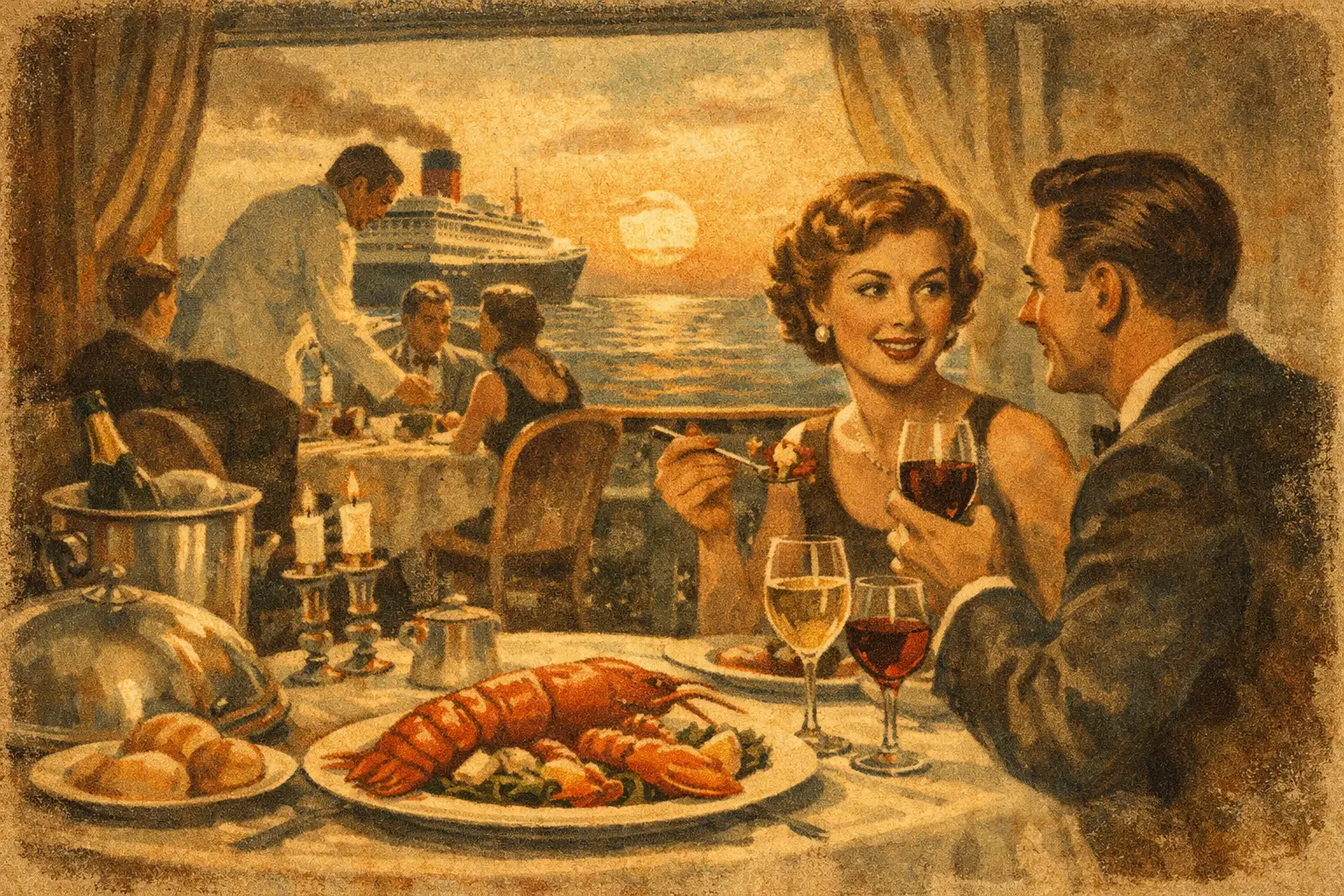
The first truly memorable meal of a sailing rarely begins with the first bite. It starts with the tiny details: the shimmer of the water outside the window, a favorite song drifting from a nearby lounge, the happy buzz of people dressed for a night they have been anticipating all day. That is the lens for this cruise dining review. Food at sea is not just fuel between ports. At its best, it becomes part of the soundtrack of the voyage.
Cruise ships offer more places to eat than ever, from casual poolside grills to polished specialty restaurants with tasting menus and wine pairings. But more choice does not automatically mean every meal feels special. The real question is not whether there is enough food onboard. There almost always is. The question is which dining experiences are worth making room for in your vacation story.
A Cruise Dining Review Starts With Atmosphere
A beautiful plate can earn applause, but atmosphere is what turns dinner into a memory. Main dining rooms are often where a ship’s personality comes alive. You may arrive after a full day exploring a colorful port, still carrying the energy of the streets, the music, and the local flavors you discovered ashore. Then you settle into a table as the sky fades from blue to violet beyond the windows.
On a great night, the service feels warm without becoming overly formal. A server remembers how you take your coffee, suggests an entrée with genuine confidence, and gives your table time to enjoy the conversation. That rhythm matters. Cruise dining should not feel rushed, especially when the entire appeal is being able to linger while the world glides past outside.
The trade-off is scale. A main dining room may serve hundreds or even thousands of guests, so consistency can vary from one evening to the next. One night’s perfectly cooked fish may be followed by a dish that feels less inspired. Still, these rooms have a charm that specialty venues cannot always duplicate: they bring travelers together. Couples celebrating anniversaries, multigenerational families, solo guests, and new friends from the day’s excursion all share the same moving stage.
The Main Dining Room Is the Heartbeat
For many cruisers, the included main dining room delivers the best balance of variety, value, and occasion. Menus usually rotate nightly, which gives a longer sailing a welcome sense of anticipation. One night might lean toward Italian comfort food, while the next brings a steakhouse-style plate, a fragrant curry, or a dessert designed to look as good in a photo as it tastes.
The strongest menus offer a little of everything without trying to please everyone with blandness. Look for dishes that reflect the itinerary when possible. A Caribbean sailing should feel brighter and more tropical than an Alaska itinerary. A Mediterranean route deserves herbs, seafood, citrus, and regional influences that connect dinner to the destinations waiting outside.
That said, do not judge an entire dining program by one ambitious entrée. Cruise kitchens work under unusual conditions, feeding large crowds while sailing through changing weather and operating in a compact space. Sometimes the simple choice is the winner: a well-seasoned roast chicken, a bowl of pasta made to order, or a warm chocolate dessert shared with someone who spent the day laughing with you on deck.
Timing Can Change the Experience
Early dining is ideal for travelers who want to catch a show, hear live music, or keep the evening wide open. Late dining feels more relaxed and can be especially fun when you enjoy dressing up, taking your time, and letting the night unfold after dessert. Flexible dining is convenient, but reservations can be helpful on popular evenings.
If your schedule allows, choose a dinner time that fits your natural vacation rhythm rather than forcing one. There is no prize for an early seating if you would rather be watching the sunset with a drink in hand.
Specialty Dining Brings the Big-Night Energy
Specialty restaurants are where cruise lines often create their most polished food experiences. These venues usually carry an additional fee, and that cost can be worthwhile when it buys more than a fancier menu. The best specialty dinner delivers a distinct setting, attentive pacing, and a clear point of view.
A classic steakhouse can be a reliable choice for a celebration. An intimate Italian restaurant may shine with handmade pasta, rich sauces, and a bottle of wine that encourages the table to stay awhile. Teppanyaki and other interactive concepts bring performance into the meal, making them a natural fit for families, groups, and anyone who believes dinner should come with a little applause.
This is where the music-and-food connection really shows up. Some meals are quiet acoustic sets, full of nuance and space. Others are joyful, high-energy choruses. A theatrical dining room, with chefs flipping utensils and guests cheering, may not be the place for a hushed anniversary conversation. But it can be exactly right for a night when the whole table wants to feel part of the show.
The catch is that specialty dining is not automatically superior just because it costs extra. A premium restaurant with an excellent menu can still disappoint if service is stiff or the pacing makes you miss the evening’s entertainment. Before booking, think about what you want from that night. Are you craving an exceptional meal, a romantic setting, a social experience, or simply a break from buffet decisions? Your answer should guide the reservation.
Casual Food Has Its Own Magic
Some of the best cruise bites happen nowhere near white tablecloths. A late-night pizza slice after dancing, a fresh taco enjoyed near the pool, or a burger eaten after a long beach day can feel absolutely perfect because it meets the moment.
Casual venues are also where a ship’s food program proves whether it understands real vacation habits. Guests do not want to study a menu every time they are hungry. They want a good cup of coffee before an early port arrival, a satisfying lunch that does not require changing clothes, and an easy snack between a show and a nightcap.
Buffets deserve a fair review, too. They are convenient, varied, and often better for travelers with different tastes or dietary needs. Yet the experience depends heavily on timing. Go during peak breakfast or lunch, and the room can feel more like an airport terminal than a relaxing escape. Visit a little earlier or later, take a plate outside, and the same food can feel completely different with an ocean view and a little breathing room.
What to Look for Beyond the Plate
The fairest cruise dining review considers more than flavor. Service, availability, presentation, dietary accommodation, and the relationship between food and destination all matter. A menu can be creative, but if guests cannot get a reservation or staff seem overwhelmed, the overall experience loses some sparkle.
It is also worth noticing whether the ship makes space for different kinds of travelers. Are vegetarian, vegan, gluten-free, and allergy-conscious guests treated as an afterthought, or do they have appealing choices? Does room service offer enough flexibility for a quiet morning or a tired evening? Are there inviting spots for a solo traveler to sit, snack, and feel comfortable? Hospitality lives in these details.
For food lovers, one smart approach is to mix it up. Enjoy the main dining room for its changing menus and social energy, plan one or two specialty dinners that truly fit your style, and leave room for spontaneous casual meals. A cruise is not a restaurant crawl with an ocean backdrop. It is a living, moving experience, and every meal has a different role to play.
Make Your Meals Part of the Adventure
The most satisfying meals at sea are the ones that match the feeling of the day. After wandering through a vibrant port, choose something local-inspired if it is available. After an afternoon of sun and laughter, go casual. On formal night or a milestone celebration, let a specialty restaurant give the evening its own spotlight.
Take the photo if the plate is beautiful. Then put the phone down long enough to notice who is at the table, what is playing in the background, and how the ship feels as it carries you toward tomorrow’s destination. That is where cruise dining becomes more than a review. It becomes part of the adventure you will still be talking about long after you are back on land.