
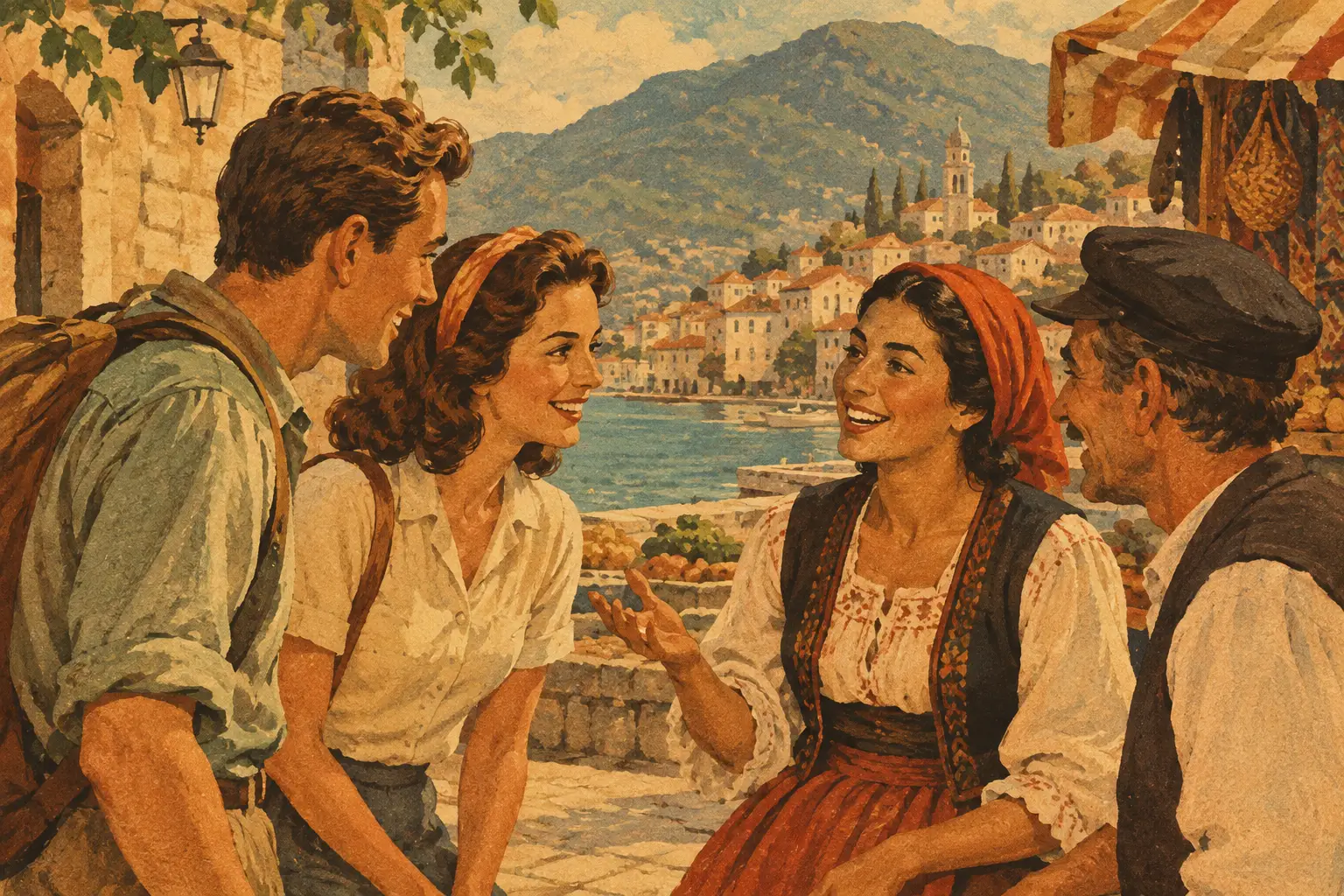
The song drifting from a neighborhood café, the auntie at a market stand who insists you taste one more bite, the bartender who tells you where people actually go after sunset – these are the moments that stay with you long after the suitcase is unpacked. Meeting locals abroad can turn a beautiful destination into a place that feels personal, textured, and alive.
That does not mean collecting strangers for a travel highlight reel. The best connections are rarely planned down to the minute, and they should never make someone feel like an attraction in their own hometown. They happen when curiosity comes with respect, when you slow down enough to notice what is already happening around you, and when you show up ready to share a little of yourself, too.
Why Meeting Locals Abroad Changes the Trip
A landmark can tell you where you are. A local conversation can help you understand what the place feels like.
Locals know which bakery has been run by the same family for decades, which beach is best at sunrise, and why a particular song makes everyone at the table sing along. They can add context that no guidebook can fully capture. You may still visit the famous square, museum, or viewpoint, but now you might see it through someone else’s memory of first dates, family traditions, celebrations, and ordinary Tuesday afternoons.
There is also a welcome shift in pace. Travel can become a checklist without us realizing it, especially on a short cruise stop or a packed city break. One genuine conversation can pull you out of that mindset. Suddenly, the goal is not to see everything. It is to be present for something real.
Of course, connection is not guaranteed, and that is perfectly fine. Some people are busy, private, tired, or simply not in the mood to chat with a visitor. A meaningful trip does not require instant best friends. It requires openness, good judgment, and appreciation for the small exchanges that come naturally.
Start Where Community Already Exists
The easiest way to meet people is not to walk up to strangers with a big plan. It is to spend time in places built around a shared interest. Music, food, movement, and local routines create a natural opening because there is already something to talk about.
Follow the Sound
If you hear live music spilling onto the street, let that be your invitation. A small jazz set in New Orleans, a steelpan performance in the Caribbean, a samba circle in Brazil, or a singer-songwriter night in a coastal town can reveal a destination’s rhythm in a way no playlist can.
Arrive early, order something, and pay attention. Ask a simple question between sets: “Do local artists play here often?” or “What song always gets the room going?” If the conversation grows, wonderful. If it ends after a quick recommendation, you have still learned something worth carrying with you.
Music is especially powerful because it makes room for connection without demanding the perfect words. A shared beat, a smile, or a little shoulder dance can cross language barriers quickly. Just remember that you are a guest in that moment. Be enthusiastic, support the artists, and let the venue set the tone.
Eat Somewhere With a Story
Restaurants near major attractions can be convenient, but neighborhood spots often offer a fuller sense of place. Choose a counter seat, a family-run café, a food hall, or a market stall where people are actually lingering over lunch. Ask what the owner loves on the menu, not just what visitors usually order.
Food conversations tend to feel easy because everyone has an opinion. You might ask how a dish is traditionally served, whether there is a local celebration connected to it, or what people make at home when they want comfort food. Listen for the story behind the flavor.
A little humility matters here. Do not announce that a dish is “better than back home” or insist on comparing every bite to something familiar. Try it as it is meant to be enjoyed. A sincere “This is incredible. What makes it special?” goes much further.
Choose Experiences That Invite Participation
A cooking class hosted by a resident, a neighborhood walking tour, a community art workshop, a language exchange, or a small-group dance lesson can create a more comfortable setting than trying to force a conversation on the sidewalk. You are there to participate, not just observe.
The trade-off is that organized experiences can be more polished and tourist-facing than spontaneous local life. That does not make them fake. A great host can still share deep knowledge and introduce you to a community with care. Look for experiences that feel specific, small enough for conversation, and clear about who benefits from your booking.
How to Make the First Conversation Feel Natural
You do not need a clever opening line. In fact, the best approach is often wonderfully ordinary. Comment on the music, ask for a recommendation, or offer a genuine compliment without turning it into a performance.
Instead of asking, “What should tourists do here?” try questions that leave room for personality. “Where do you go when you want a relaxed evening?” “Is there a food I should try before I leave?” “What do you love most about this neighborhood?” These questions invite people to share what matters to them, not merely provide directions.
Share something back, too. Connection should not feel like an interview. Mention the dish you have been thinking about since breakfast, the song you heard from the taxi, or the view that made you stop walking. You are not there to prove how worldly you are. You are there to enjoy a human moment.
If language is a barrier, keep it light. Learn greetings, “please,” “thank you,” and a few food-related words before arriving. Use a translation tool when needed, but do not hold a phone in someone’s face and expect a perfect exchange. Gestures, patience, and laughter can do plenty.
Respect Is What Makes Connection Possible
Meeting locals abroad works best when travelers remember that a destination is someone’s home. The same habits that make you a considerate guest at a friend’s dinner table matter on the road.
Ask before taking photos, especially in markets, places of worship, family businesses, and intimate performances. A warm conversation is not automatic permission to post someone’s face online. If you would like a photo together, ask directly and accept no gracefully.
Be mindful of time and setting. Someone working a busy shift may be friendly but unable to chat. A person alone in a quiet space may not be looking for company. In those moments, a quick thank-you and a smile are enough. Respecting a boundary does not close the door to connection. It shows the kind of traveler you are.
Money can also shape the interaction. Support small businesses when you can, tip according to local custom, and avoid treating a lower cost of living as an invitation to bargain aggressively. You do not need to spend extravagantly to be respectful, but you should recognize the value of people’s work, knowledge, and hospitality.
Make Room for Serendipity
The most memorable local encounters often happen in the unplanned space around the itinerary. Leave an hour after lunch without a reservation. Take a slower route back to the ship. Sit in a park instead of rushing toward the next photo stop. Return to the café where the barista remembered your order.
This does not mean ignoring safety or wandering carelessly. Trust your instincts, meet new people in public places, keep your transportation plan clear, and let someone in your travel party know where you are going. Solo travelers can be open-hearted and smart at the same time.
For cruise travelers, time is the biggest challenge. You may have only a few hours ashore, so choose one neighborhood or one experience rather than trying to conquer an entire city. A conversation over local coffee can be more memorable than racing through five attractions. The destination will still be there. The moment you made room for may not be.
Carry the Story With You, Not Just the Content
When a local shares a recommendation, follow through if you can. Visit the record shop. Order the family recipe. Listen to the artist they mentioned on your ride back. Then let the experience influence the way you tell the story.
The best travel stories center gratitude rather than ownership. Say what you learned, what surprised you, and what made you feel welcome. Avoid presenting yourself as the person who “found” a place that has been loved by its community all along. A little credit and context make your memories richer.
Your next great travel moment may not be the view you planned to capture. It may be a shared laugh over a pronunciation mistake, a chorus you do not yet know, or a plate set down with pride. Leave a little space in the schedule, bring your curiosity, and join the adventure with enough warmth for a real connection to find you.