
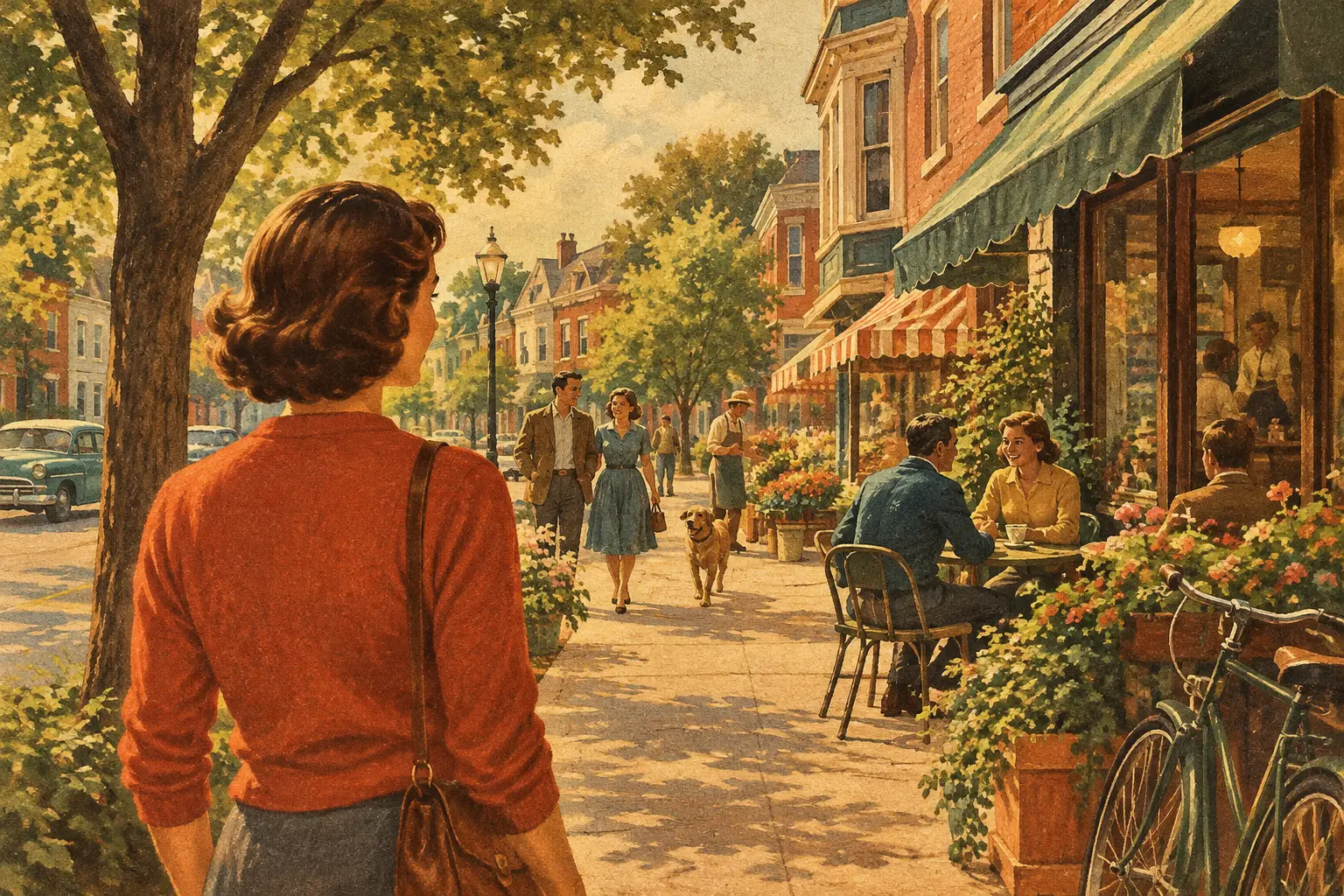
The best travel memory rarely begins at the city’s most photographed landmark. It starts when the soundtrack changes: a coffee grinder whirs behind a counter, someone calls out a lunch order, a porch conversation drifts down the block, and you realize you have stopped simply looking at a place. You are feeling it. Learning how to find authentic neighborhoods is less about chasing a secret address and more about noticing the everyday rhythm that makes a city breathe.
For travelers who love culture, food, and a little music in the background, that shift can turn an ordinary afternoon ashore or a weekend getaway into the part of the trip you keep replaying. The goal is not to declare yourself a local after two hours. It is to show up with curiosity, spend thoughtfully, and let the neighborhood reveal itself on its own terms.
What Makes a Neighborhood Feel Authentic?
Authentic does not mean undiscovered, cheap, old-fashioned, or untouched by visitors. A neighborhood can be popular and still feel wonderfully real when the people who live there are clearly living their lives there. You will see regulars at the market, school pickup happening on a side street, friends gathering at a casual restaurant, and businesses built around a community rather than a souvenir shelf.
That distinction matters. Some areas are designed to move visitors quickly from photo stop to photo stop. They can be fun, beautiful, and absolutely worth seeing. But an authentic neighborhood invites a slower kind of attention. It has layers: the place you came for, the place you wandered into, and the small surprise that made you smile.
It also depends on what you are looking for. In one city, authenticity may mean a historic district where generations have protected a musical tradition. In another, it may be a newer immigrant neighborhood where family bakeries, language, fashion, and food tell a story that is still being written. Do not confuse “authentic” with frozen in time. Living culture changes.
How to Find Authentic Neighborhoods Before You Arrive
Start by looking beyond lists labeled “top 10 attractions.” Those lists are useful for orientation, but they tend to point everyone toward the same polished highlights. Search for the city alongside what you genuinely enjoy: live jazz, independent bookstores, regional breakfast, public markets, record stores, murals, neighborhood festivals, or late-night dessert. Your interests are often the best path into a place with personality.
Pay close attention to the names that come up repeatedly in local conversation. A chef mentioning where they eat on their day off, a musician naming their favorite small venue, or a resident talking about a weekend market can tell you more than a glossy roundup. Look for neighborhood event calendars and community voices rather than only travel content made for a broad audience.
Maps can help, too, but use them with a little imagination. A cluster of highly rated restaurants may signal a dining destination, not necessarily a lived-in neighborhood. Instead, look for a mix: a grocery store, laundromat, park, pharmacy, school, café, barbershop, and restaurants that do not all serve the same audience. That blend suggests daily life is happening between the attractions.
If you are arriving by cruise, time is part of the equation. Choose one area within a realistic ride from the port, then give it room to breathe. Trying to cover four neighborhoods in six hours often creates a blur of sidewalks and screenshots. One unhurried block can be more memorable than a full-day checklist.
Let Food Lead, But Do Not Let It Be the Only Thing
Food is one of the warmest invitations a neighborhood can offer. Follow the line outside a modest counter at lunchtime. Notice where the menu is focused rather than trying to please every possible visitor. Ask your server what people who live nearby order, then listen for the answer instead of requesting the most camera-ready dish.
At the same time, one viral restaurant does not make an entire area authentic. Enjoy the meal, then walk a few blocks. Stop at a market, peek into a bookstore, or sit in a small park with something cold to drink. The meal is the opening track, not the whole album.
Arrive With a Plan, Then Leave Space for a Detour
A little planning protects your time. Too much planning can keep you from seeing what is right in front of you. Pick one anchor for the neighborhood: a bakery you want to try, a museum with local history, a record shop, a waterfront path, or an evening performance. From there, build in time to wander without treating every turn as a decision you need to optimize.
The strongest clue that you have found a neighborhood with real energy is often simple: people are lingering. They are chatting outside a corner store, reading at café tables, walking dogs, carrying groceries, or gathering before a show. You are not hunting for a perfect cinematic scene. You are looking for a pace that belongs to the people who return tomorrow.
Music can be especially revealing. A city’s biggest concert venue may be spectacular, but a smaller space, community stage, record store set, or afternoon brass band in the park can bring you closer to its pulse. Check whether a venue supports local artists and whether the audience seems connected to the scene. If a performance feels like a gathering rather than a transaction, you may have found something special.
Read the Room, Not Just the Reviews
Reviews are helpful for narrowing choices, but they cannot fully capture atmosphere. Once you arrive, take a minute to read the room. Are staff and customers greeting one another by name? Are families, workers, and visitors all sharing the space? Is there a community bulletin board, neighborhood newspaper, or flyer for an upcoming event?
These details do not give you permission to intrude. They simply help you recognize that you are stepping into someone else’s everyday environment. That awareness should shape how you travel. Keep your voice at a respectful volume, ask before photographing people, do not block doorways for content, and learn a few basic greetings when language is part of the local culture.
Respect is not a travel buzzword. It is what allows meaningful moments to stay meaningful. The most authentic experience is never one you take from a community. It is one you are welcomed into, even briefly, because you showed genuine interest and good manners.
Ask Better Questions
When you do start a conversation, avoid putting a stranger on the spot with, “Where do locals go?” It can feel like asking them to hand over a private map. Be more specific and more human. Ask what they enjoy about the area, what is good to eat nearby, whether there is music happening later, or what first-time visitors often miss.
A bartender might point you toward a neighborhood band. A shop owner might recommend a family-run lunch spot. A museum guide might explain why a particular street matters. Not every recommendation will fit your taste or schedule, and that is okay. The exchange itself adds texture to the day.
Choose Businesses That Keep the Neighborhood Vibrant
Where you spend money is part of the story. Independent restaurants, markets, small galleries, local guides, neighborhood venues, and family-owned shops often circulate more of your travel budget within the community. You do not need to avoid every chain or spend extravagantly to make a difference. A thoughtful lunch, a ticket to a local show, or a few groceries from a neighborhood market can be a meaningful choice.
Be mindful of trade-offs, especially in places dealing with overtourism or rising rents. A neighborhood may be beloved precisely because it has a strong identity, while the attention it receives can put pressure on residents. Skip behavior that treats homes as backdrops, follow local rules, and resist the urge to geotag every quiet corner in real time. Share the spirit of a place without turning its most intimate spaces into a stampede.
This is where travel becomes more than consumption. You are not just collecting recommendations. You are participating, carefully, in a city’s living culture.
Give Yourself Permission to Miss Something
There is a particular travel freedom in accepting that you will not see it all. Maybe you skip a famous viewpoint because a street festival pulls you in. Maybe your best meal is not the restaurant you booked weeks ago, but a warm pastry eaten on a bench while a local musician sound-checks nearby. Those are not detours from the itinerary. They are often the reason the itinerary mattered.
Bring your curiosity, follow the good sounds and good smells, and let each neighborhood set its own tempo. Somewhere between the planned stop and the unexpected one, the city may offer you a moment that feels less like a visit and more like a connection worth carrying home.