
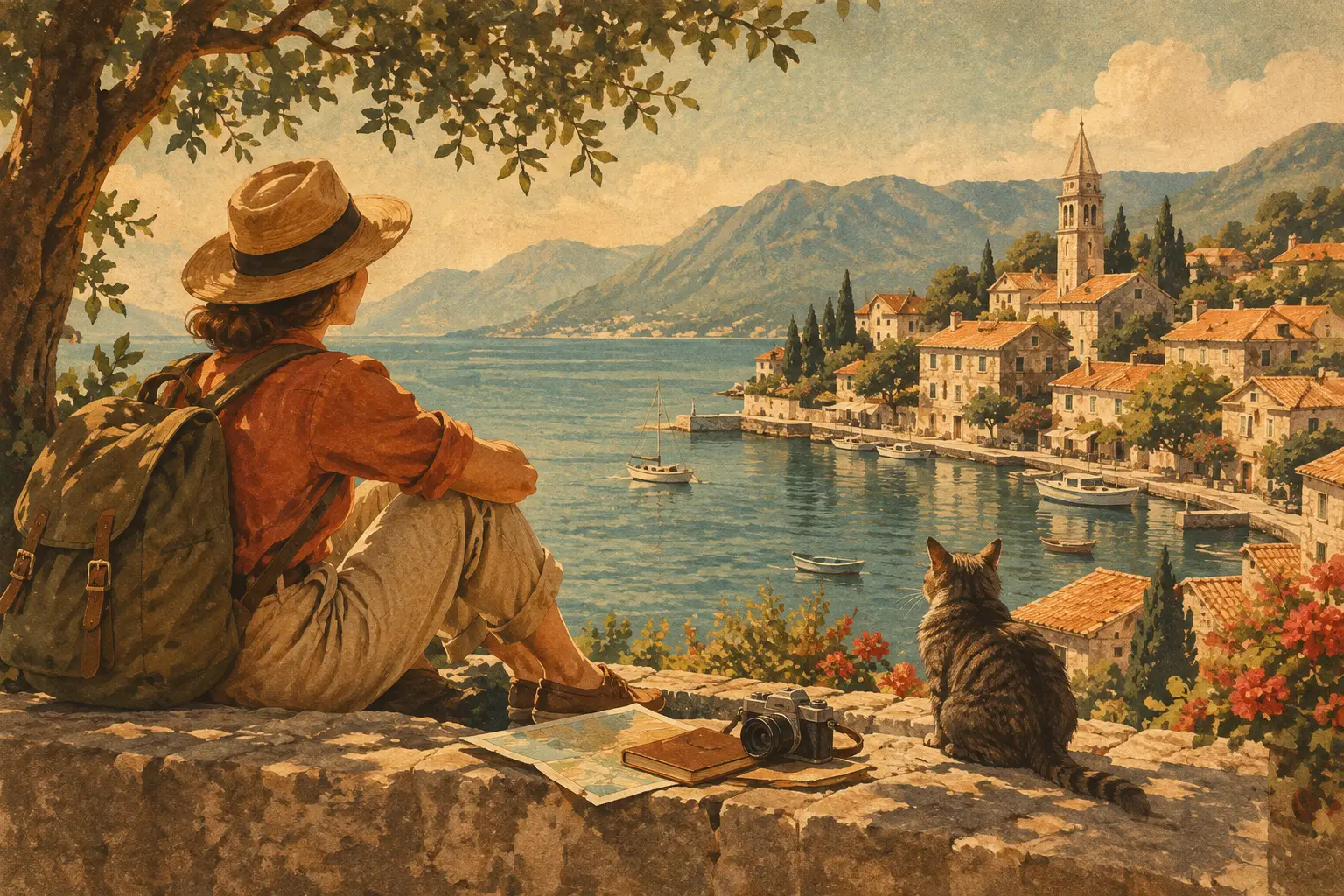
The best travel memories rarely happen while rushing to the next reservation. They happen when a street musician changes the mood of your evening, when the server at a tiny restaurant recommends something unfamiliar, or when you finally notice how a neighborhood sounds after sunset. So, what is slow travel? It is a way of traveling that trades packed itineraries for presence, allowing a destination to reveal itself one real moment at a time.
Slow travel is not about doing nothing. It is about doing fewer things with more curiosity. It means giving yourself enough room to taste the food, hear the music, meet the people, and feel the rhythm that makes one place different from every other pin on the map.
What Is Slow Travel, Really?
Slow travel is an intentional approach to travel focused on spending more meaningful time in fewer places. Instead of treating a trip like a checklist of landmarks, you build in space for wandering, repeat visits, conversations, and detours that were never on the original plan.
The idea is often associated with longer stays and slower forms of transportation, such as trains, road trips, walking, or cycling. But the deeper point is not how you get there. It is how you show up once you arrive.
A slow traveler might spend a full week in one coastal town rather than trying to visit five cities in seven days. They may return to the same coffee shop twice, learn the name of a local chef, linger through an entire live music set, or choose a family-run market over another souvenir store. The goal is connection, not collection.
That can be especially refreshing for travelers who come home from a vacation needing another vacation. A beautifully planned trip can still feel exhausting when every hour has an assignment. Slow travel makes room for the feeling that you are actually there.
Why Slow Travel Feels So Different
Most of us have been taught to measure a trip by how much we saw. The famous museum, the popular viewpoint, the restaurant everyone posted about. Those experiences can be wonderful, but they are not the only experiences worth having.
Slow travel shifts the question from “How much can I fit in?” to “What will I remember?” That change can turn an ordinary afternoon into the highlight of a trip. Maybe it is sharing a plate of fresh seafood by the harbor. Maybe it is finding a vinyl shop with a soundtrack that follows you home. Maybe it is watching a local family celebrate something you do not fully understand, yet somehow feel invited to appreciate.
There is a practical benefit, too. Staying longer can reduce the stress and expense of constant transfers, airport runs, hotel check-ins, and unpacking. You have time to get oriented, learn the transit system, and stop making every meal decision while hungry and tired.
Still, slow travel is not automatically cheap or easy. A longer stay may require more vacation time, thoughtful budgeting, and a willingness to release the pressure to see everything. If this is your only chance to visit a faraway region, you may reasonably want to include more than one destination. The sweet spot depends on your time, your budget, and what kind of experience you want to bring home.
Slow Travel Is About Culture, Not Just Pace
Going slowly is valuable because it gives culture a chance to become personal. You start to notice the morning routine at the bakery, the songs playing in taxis, the timing of dinner, the way people greet one another, and the dishes that locals order when no one is looking at a menu in English.
Food is one of the easiest ways into this kind of experience. Instead of chasing the single “best” restaurant, try a small local ritual. Visit the market in the morning. Order a regional specialty twice, prepared by two different kitchens. Ask what is in season. Pay attention to the music, the room, and the conversations around you. A meal becomes more than fuel between attractions. It becomes part of the destination’s story.
Music works the same way. A city’s playlist is not limited to its most famous artists. Listen for what is playing at a neighborhood bar, drifting from an open window, or setting the tone in a public square. A live performance can tell you as much about a place as a guidebook, especially when you have the time to stay until the final song.
Can You Slow Travel on a Cruise?
Absolutely, although it takes a little intention. Cruises naturally move between destinations, which can make them feel like the opposite of slow travel. But a cruise can also be a wonderful introduction to a region, especially for travelers who want comfort, variety, and a glimpse of several cultures without constantly handling the logistics.
The key is resisting the urge to treat every port as a race. Rather than booking an all-day excursion packed with stops, choose one neighborhood, one food experience, or one cultural activity that genuinely interests you. Walk slowly when it is safe to do so. Leave time for a café, a local shop, or a conversation with someone who calls that port home.
You can also bring a slow-travel mindset onboard. Savor sea days instead of viewing them as empty space. Watch the horizon, catch a performance, linger over dinner, and let the journey between places become part of the memory. Travel does not have to be fast just because the ship is moving.
How to Try Slow Travel Without Taking a Month Off
You do not need an open-ended sabbatical to travel more slowly. Start by choosing one anchor destination for your next trip and giving it an extra day or two. That simple choice changes the entire pace.
Plan one major activity per day, not three. Keep a short list of restaurants, markets, museums, and music venues that interest you, but do not schedule every minute. The unscripted spaces are where a recommendation from a bartender, a beautiful side street, or an unexpected festival can find you.
It also helps to stay in one area rather than changing hotels repeatedly. When you wake up in the same neighborhood for several mornings, you begin to recognize faces and patterns. You may find your favorite breakfast spot before the first rush, or learn which corner catches the best late-afternoon light.
Before you go, learn a few local phrases and a little context about the region’s food, history, and customs. You do not need to become an expert. A little effort signals respect and often leads to warmer interactions.
Finally, give your phone a supporting role rather than the starring role. Take the photos, capture the video, and save the songs that make you smile. Then put the screen away long enough to hear the room around you. The most shareable travel story is usually the one you truly experienced first.
The Real Luxury of Taking Your Time
Slow travel is not about proving that you are a better kind of traveler. It is an invitation to travel in a way that feels more alive. Some trips are built for a big city sprint, a weekend concert, or an action-packed celebration. Those have their place.
But when you have the choice, leave a little room for the unexpected. Order the dish you cannot pronounce. Follow the sound of music down the block. Sit somewhere beautiful for ten extra minutes. Join the adventure with an open schedule and an open heart, and let the destination give you a story that no itinerary could have planned.
Leave a Reply