One bass drop can change the whole mood of a place. You hear trap music in a packed club, rolling through city streets at night, on festival stages, in workout playlists, and even tucked into the background of travel reels that want to feel sharp, stylish, and alive. That reach did not happen by accident. Trap music built a sound so immediate and atmospheric that it moved far beyond one region, one scene, or one era.
What makes it especially fascinating is that trap is not just a production style with hard drums and rattling hi-hats. It is also a cultural language. It carries tension, ambition, grit, confidence, and a kind of cinematic pressure that can make a song feel huge even before the chorus lands. If you love music as part of the way a city feels, the way a night out feels, or the way a memory gets framed, trap deserves more than a quick label.
What trap music actually means
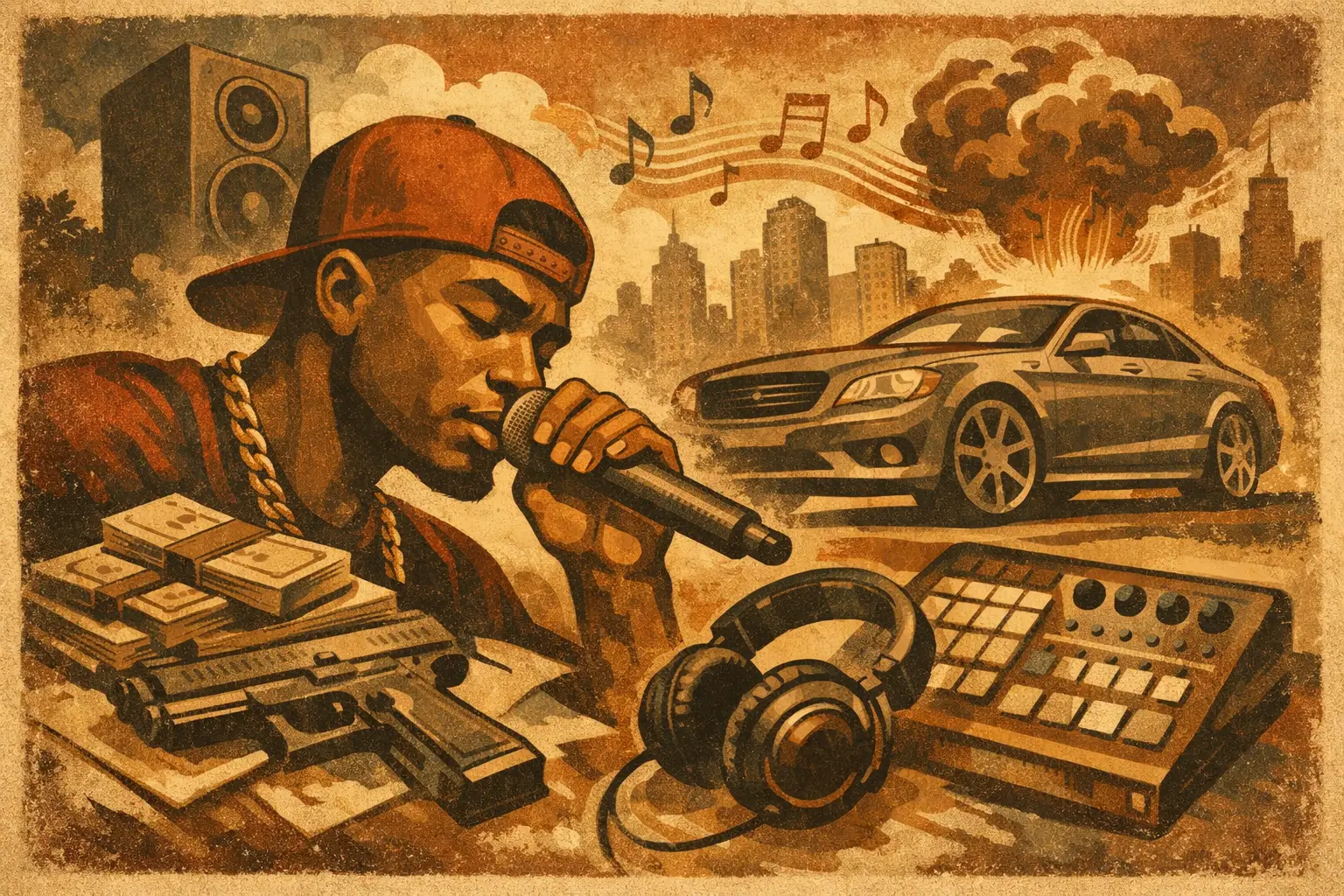
The term started with a real-world reference. In the American South, especially in Atlanta, the “trap” referred to places tied to street-level drug activity. Early trap music came out of that reality, with lyrics that dealt directly with survival, hustle, danger, money, and escape. This was not abstract storytelling. It reflected environment, risk, and daily pressure.
Over time, the phrase expanded. Now people use “trap music” to describe both a specific rap subgenre and a broader sonic template that shows up across hip-hop, pop, EDM, and even global fusions. That can get confusing, because the word points to both origin and style. A song can sound trap-influenced without carrying the same cultural roots as the Atlanta movement that shaped the genre.
That distinction matters. If we talk about trap only as a beat formula, we flatten the history behind it. If we talk about it only as regional street rap, we miss how dramatically it transformed modern music.
Where trap music came from
Atlanta is the center of the story. In the late 1990s and early 2000s, artists like T.I., Jeezy, and Gucci Mane helped define the genre with records that were cold, direct, and grounded in a Southern perspective often overlooked by mainstream rap coverage at the time. Producers gave those records their signature feel – heavy 808s, crisp snares, eerie synths, and drum patterns that sounded tense even at slower tempos.
Trap did not arrive polished for broad lifestyle branding or festival playlists. It came in raw. The production often felt haunted, nocturnal, and stripped down in a way that left space for charisma and menace. That sound matched the subject matter. The music did not just describe pressure. It felt pressurized.
As the 2000s turned into the 2010s, that core style evolved fast. Producers sharpened the drums, pushed hi-hat programming into wild, rapid-fire territory, and made the low end even more physical. Artists like Future, Young Thug, and Migos expanded what trap could sound like, bringing melody, eccentric vocal phrasing, and new flows into the mix. Suddenly, trap was not just documenting one environment. It was shaping the future of mainstream rap.
Why the sound works so well
There is a reason trap grabs people within seconds. The rhythm section does a lot of the emotional heavy lifting. The 808 bass gives the music body and force, while the hi-hats create motion. That contrast is part of the magic. One element lands like weight, the other flickers like speed.
Then there is space. Good trap production does not always cram every second with sound. It often leaves room for atmosphere – a dark synth line, a vocal ad-lib, a pause before the bass returns. That space makes the track feel bigger, almost architectural. You are not just hearing a song. You are hearing a setting.
This is one reason trap became such a useful soundtrack for visual culture. It fits movement. It fits nightlife. It fits city views from a rooftop, a car ride through neon, or the quick-cut energy of social video. It can feel luxurious, dangerous, celebratory, or focused depending on the artist and production choices.
How trap music went global
Once trap entered pop culture at full speed, it spread everywhere. American pop artists borrowed trap drum patterns. EDM producers built festival records around trap-style drops. Latin artists fused trap with reggaeton and Latin rap. K-pop acts worked the sound into sleek, high-budget releases. French, UK, and African artists adapted trap rhythms to local scenes and languages.
This is where the story gets really interesting. Global growth gave trap new colors, but it also raised questions about context. When a genre born from a specific Southern Black experience becomes an all-purpose mood board for luxury visuals and viral content, something shifts. Sometimes that shift is creative and exciting. Sometimes it strips away the original social weight.
Both things can be true at once. Genres travel. That is part of music history. Jazz, reggae, house, and hip-hop all crossed borders and changed form. Trap music followed that pattern, but because it grew so quickly in the streaming era, its transformation was especially visible. One week it is rooted in Atlanta mixtape culture, the next it is soundtracking beach clubs in Ibiza and fashion edits in Seoul.
Trap music in travel, nightlife, and lifestyle culture
If you care about how music shapes an experience, trap is impossible to ignore. It has become part of the emotional design of modern nightlife and travel media. Walk through a stylish lounge in Miami, catch a late-night set in Las Vegas, or scroll a reel meant to make a destination feel expensive and electric, and you will probably hear some version of trap influence.
That does not mean every destination needs a trap soundtrack. A coastal morning in Santorini asks for something very different than a rooftop in Atlanta or a night drive through Houston. But trap excels when the moment calls for pulse, swagger, and edge. It turns scenes into statements.
For a creator-led brand like Musical Smile Guy, this kind of music matters because it shows how sound and place work together. Food, travel, and music are never really separate when the goal is atmosphere. The right song can make a plate arrive with more drama, a skyline feel more cinematic, or a quick clip feel like a memory worth keeping.
The criticism around trap
Trap has enormous influence, but it is not above critique. One common criticism is sameness. Because the production toolkit became so popular, a lot of songs began to blur together. If every beat leans on the same hi-hat rolls, sub-bass, and moody synth preset, the sound can start feeling less like a genre and more like a formula.
Another criticism is lyrical repetition. Some listeners hear trap as too focused on money, status, drugs, or surface-level flexing. That criticism is sometimes fair, but it can also be lazy. Trap includes artists making deeply melodic records, emotionally exposed records, and innovative records. The genre has room for emptier trends and serious artistry at the same time.
There is also the issue of commercialization. When brands and media borrow trap aesthetics without engaging with the culture that produced them, the result can feel hollow. The sound stays, but the story disappears. That is not unique to trap, but trap has experienced it on a massive scale.
Why trap music still matters
Trap still matters because it changed the architecture of popular music. It altered drum programming, vocal delivery, song pacing, and production expectations across multiple genres. Even tracks that are not labeled trap often carry its fingerprints.
More than that, trap remains a living genre because it keeps adapting. Some artists push it toward melody and introspection. Others pull it back toward street realism. Some merge it with house, jersey club, rage, drill, or Latin sounds. That flexibility keeps it fresh, even when trends around it get crowded.
The best trap records still do what the earliest great records did – they create a world fast. In under a minute, they can make you feel tension, hunger, pride, ambition, or danger. That is not easy. Plenty of songs sound current. Fewer songs build an atmosphere you can step into.
And maybe that is why trap keeps showing up wherever people want a moment to feel bigger than life. It knows how to frame motion. It knows how to frame confidence. It knows how to make a city glow a little harder after dark.
If you are listening closely, trap music is not just background. It is location, attitude, and memory working together in real time – and that is exactly why it still hits.