
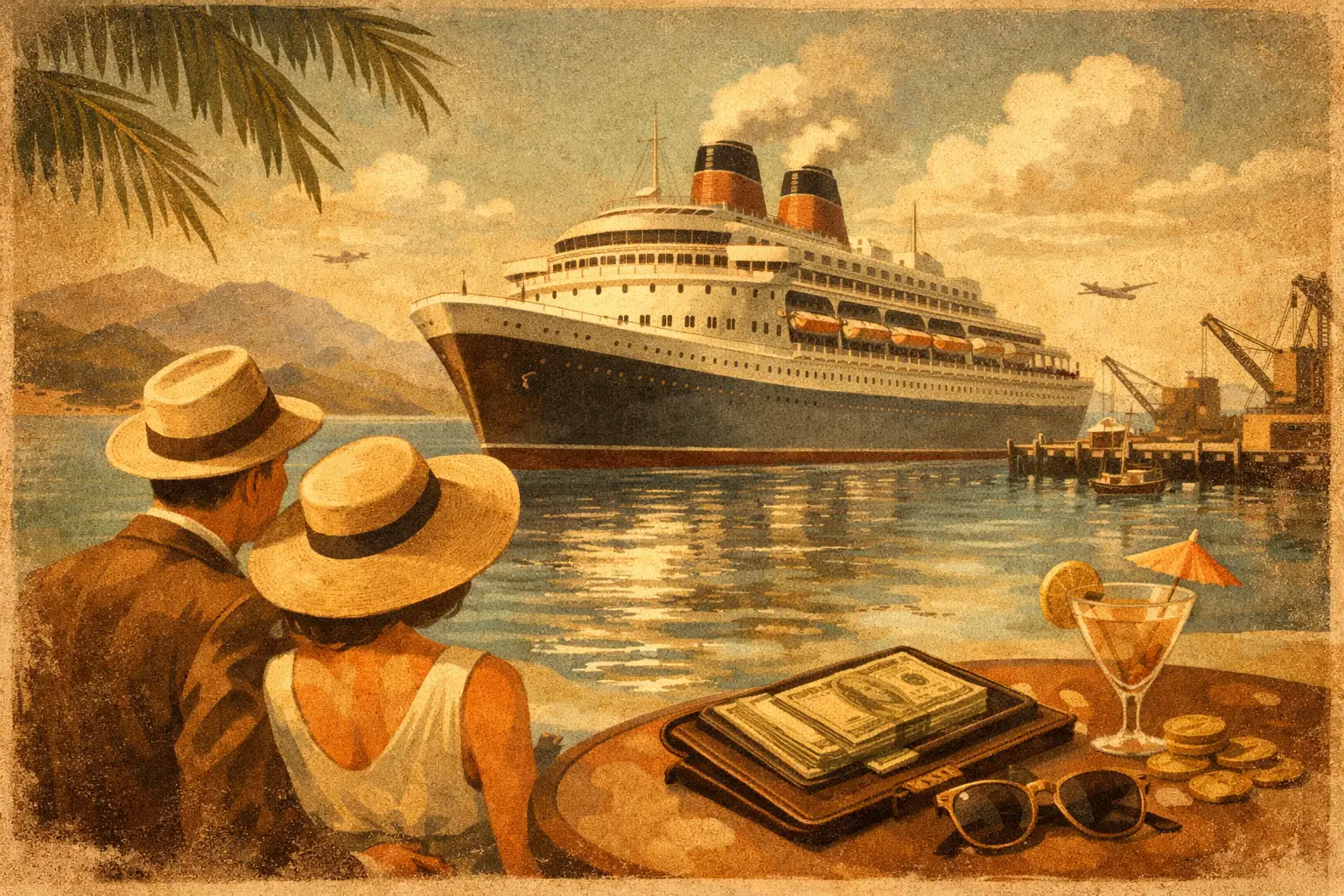
Picture this: a string quartet in the lounge, ocean light pouring through the windows, dinner that feels closer to a fine restaurant than a buffet line, and a balcony so peaceful you almost forget your phone exists. Then the obvious question shows up – what is the luxury cruise ship cost, really?
That question gets tossed around like there should be one neat answer, but luxury cruising does not work that way. A seven-night sailing on one line can feel expensive until you compare it with another that includes premium wine, shore excursions, gratuities, and airfare. Suddenly the sticker price is only part of the story. If you are dreaming about a polished, high-touch cruise experience, the real value lives in what is bundled, what is not, and how you like to travel.
What luxury cruise ship cost usually means
When people hear “luxury cruise,” they often imagine one giant price tag. In practice, the range is wide. For many luxury lines, you might see fares starting around $500 to $1,200 per person, per night for an entry-level suite or veranda stateroom. On longer or more exclusive itineraries, that can move well beyond $1,500 per person, per night, especially for top suites.
So for a weeklong trip, a couple might spend anywhere from roughly $7,000 to $20,000 or more before adding every possible upgrade. That sounds dramatic, and sometimes it is. But the more useful comparison is not luxury cruise versus bargain cruise. It is luxury cruise versus premium travel overall.
If you booked a five-star hotel, added fine dining every night, arranged private transfers, tipped throughout the trip, and booked guided excursions in multiple ports, your land vacation total could start looking very familiar.
Why the price range is so wide
Luxury cruise ship cost changes because luxury itself is not one fixed product. Some ships focus on classic elegance and deeply inclusive pricing. Others lean into ultra-modern design, destination access, or culinary prestige. The ship size matters too.
Smaller luxury vessels often carry fewer guests, which can mean more personalized service, quieter public spaces, and access to ports larger ships cannot reach. That intimacy is part of the appeal, and it affects price. You are not just paying for a cabin. You are paying for the feeling that the whole experience has been edited with care.
Itinerary also plays a major role. The Mediterranean in peak summer, Alaska during prime wildlife season, and holiday sailings in the Caribbean usually command more. So do bucket-list routes like Antarctica, the Galapagos, world cruises, and grand voyages with extended port stays.
Then there is timing. Booking far in advance can open up promotional fares or included airfare. Waiting can sometimes produce deals, but with luxury lines, the best suites and preferred sailings often disappear early. This is not always the category where procrastination pays off.
What is often included in a luxury fare
This is where the conversation gets more interesting. A luxury cruise may cost more upfront, but it can include far more than travelers expect.
On many luxury lines, your fare may cover specialty dining, premium beverages, room service, gratuities, Wi-Fi, and some shore excursions. In higher-end categories, you may also see airport transfers, pre-cruise hotel stays, laundry service, butler service, or business-class air promotions on select itineraries.
That matters because the emotional rhythm of the trip changes when you are not constantly signing receipts. There is a real difference between sipping champagne at sunset because it is included and pausing to calculate every extra charge. For travelers who care about ease, atmosphere, and the feeling of being fully hosted, that has value.
Still, not every luxury line includes the same things. One fare may seem lower, but charge extra for excursions and top-shelf spirits. Another may look higher while quietly absorbing thousands of dollars in add-ons. That is why two cruises that appear miles apart in price can end up surprisingly close once everything is on the table.
The extras that can push the total up
Even on the most polished luxury sailing, some costs can sneak in. Spa treatments are an easy one. So are boutique purchases, upgraded wines beyond the included selection, private touring in port, and premium airfare if you choose to customize your flights.
Pre- and post-cruise hotel nights also deserve attention. If your ship departs from Rome, Athens, or Tokyo, there is a strong chance you will want to arrive early and actually enjoy the city instead of treating it like a transfer point. For travelers who love food, music, and local culture, those extra nights often become part of the magic – but they are still part of the budget.
Insurance is another expense people forget until they remember how much money is tied up in the trip. On a high-value vacation, solid travel insurance is usually a smart move, not an optional afterthought.
Is luxury cruising worth the cost?
It depends on what you want your trip to feel like.
If your dream vacation is packed with water slides, nonstop nightlife, and a long menu of à la carte choices, you may honestly get more joy from a premium or mainstream cruise and spend less. Luxury ships usually trade mega-ship spectacle for space, calm, service, and a more curated onboard experience.
But if you love attentive hospitality, beautiful design, elevated dining, and itineraries that feel more intimate than hectic, the value equation changes fast. A luxury cruise can feel less like transportation and more like living inside the vacation you imagined.
This is especially true for travelers who dislike constant upselling. Paying more upfront can buy peace of mind. It can also buy time – and that may be the most underrated luxury of all. More time to enjoy a lingering lunch, more time to listen to live piano in the lounge, more time to stand on deck and let the destination arrive at its own pace.
How to evaluate luxury cruise ship cost without guessing
Start with the full trip total, not the brochure number. Ask what the fare includes, then estimate airfare, hotels, transfers, excursions, insurance, and any experiences you know you will want onboard. That gives you a real comparison.
Next, match the line to your style. Some luxury brands feel formal and classic. Others feel contemporary, social, and destination-focused. If the ship’s personality does not fit yours, even an expensive trip can feel off-key.
Cabin choice matters too. Entry-level accommodations on luxury lines are often more spacious and refined than many travelers expect, so upgrading to the biggest suite is not always necessary. If your priority is the itinerary, culinary program, or included experiences ashore, the smartest move may be choosing a more modest suite and putting the savings elsewhere.
Length of cruise is another lever. A shorter luxury sailing can be a great way to test the category without committing to a two-week expense. And sometimes a longer voyage delivers better per-night value than a short, high-demand itinerary.
Where luxury cruise spending makes the most sense
Luxury cruising tends to shine for milestone travel. Anniversaries, retirement celebrations, big birthdays, and once-in-a-lifetime destinations are where the category often feels most justified. The reason is simple: the experience is designed to feel memorable from beginning to end.
It also works beautifully for travelers who want culture without logistical overload. You can wake up in a new destination, enjoy a carefully planned excursion, come back to a beautifully prepared dinner, and still have energy left for a nightcap and live music. That rhythm is hard to replicate on a DIY multi-country trip.
For the audience that follows lifestyle travel for inspiration, this is part of the appeal. The journey does not just move you between places. It shapes the mood of the whole adventure. That is a big reason luxury cruising keeps attracting people who care as much about atmosphere as itinerary.
A smarter way to think about the price
The best way to look at luxury cruise ship cost is not as a flat number, but as a blend of comfort, inclusions, service, and emotional payoff. Yes, some sailings are undeniably expensive. But the smartest travelers do not just ask, “How much is it?” They ask, “What kind of experience is this buying me?”
That is where the answer gets personal. If your ideal trip includes elegant spaces, thoughtful dining, meaningful port days, and the kind of service that lets you truly exhale, the higher fare may make perfect sense. And if you are going to splurge, it helps to do it on something that feels rich in memory, not just rich in price.
Sometimes the best travel decisions are the ones that give you more than a destination. They give you a soundtrack, a taste, a view, and a feeling you will want to revisit long after the ship is gone.