
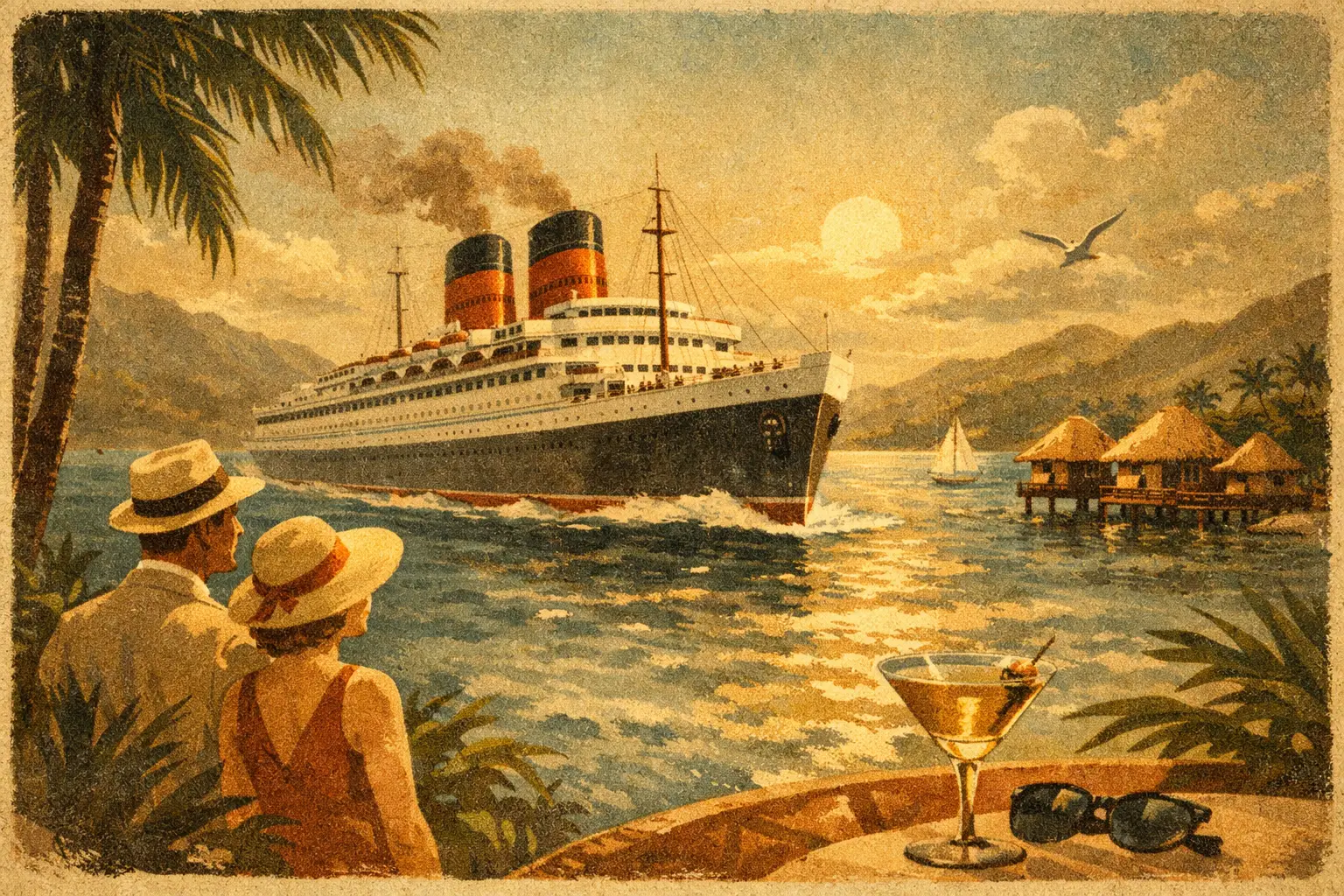
There’s a big difference between taking a cruise and feeling like you’ve stepped into a floating boutique hotel where the soundtrack, the service, and the scenery all hit at exactly the right moment. That’s why luxury cruise companies have such a strong pull. They promise more than transportation between ports. They promise atmosphere, ease, and those memorable little details that make a trip feel personal.
If you love travel as an experience rather than a checklist, this part of the cruise world is especially interesting. The best luxury sailings turn the ship itself into part of the story. One evening it’s live piano near a champagne bar, the next it’s a beautifully plated dinner after a day wandering through a coastal town you’ve dreamed about for years. For travelers who care about culture, comfort, and a sense of occasion, that mix is hard to beat.
What luxury cruise companies really offer
The phrase gets used loosely, so it helps to separate true luxury from simply premium branding. Luxury cruise companies usually operate smaller ships, offer a higher crew-to-guest ratio, and build their experience around service that feels attentive without being stiff. You’re not constantly pulling out your wallet, and you’re not fighting crowds for a lounge chair or dinner reservation.
That said, luxury doesn’t always mean the same thing across every line. For some brands, luxury means classic elegance, white-tablecloth dinners, and polished service. For others, it means modern design, open-air dining, destination-driven itineraries, and a more relaxed social scene. The common thread is intentionality. The product feels curated.
Another big shift is pace. Larger mainstream ships can feel like a city at sea, which some travelers love. But many luxury lines create a quieter rhythm. You notice the ocean more. You notice the destinations more. And if you’re someone who likes meaningful meals, thoughtful entertainment, and the chance to actually exhale, that slower cadence matters.
The luxury cruise companies travelers talk about most
If you spend any time in the upscale cruise conversation, a few names keep coming up.
Regent Seven Seas is often associated with an all-inclusive style that appeals to travelers who want fewer decisions onboard. Fares can be high, but the value equation becomes clearer when excursions, drinks, specialty dining, and other extras are folded in. The overall feel leans refined and comfortable, with a focus on spacious suites and a polished onboard environment.
Seabourn has built its reputation around intimate ships and a very personalized style of hospitality. The tone can feel elegant without becoming overly formal, which is part of its appeal. Many travelers are drawn to Seabourn because it balances luxury with warmth. It feels special, but not performative.
Silversea has long been a favorite for travelers who want global reach. Its itineraries span classic destinations and more remote regions, and that range is a major part of the brand’s identity. If your dream cruise involves somewhere less obvious, Silversea often enters the conversation quickly.
Crystal has traditionally attracted guests who appreciate a more classic luxury atmosphere with strong dining and service standards. The emotional pull here is familiarity and polish. For some travelers, that consistency is exactly what luxury should feel like.
Explora Journeys represents a newer expression of the category. The design language is contemporary, the mood is intentionally spacious, and the branding leans more lifestyle-forward. It speaks to travelers who want luxury with a fresher visual identity and a softer, more residential feel.
Then there are lines like Oceania, which many people place just below ultra-luxury but still squarely within the upscale conversation. Oceania stands out for food, itinerary variety, and a style that can appeal to travelers moving up from premium cruising. It may not be identical to the most all-inclusive luxury brands, but for the right guest, it can hit a very sweet spot.
What makes one line feel right for you
This is where the decision becomes personal. The best luxury cruise company for you is not automatically the most expensive one or the one with the flashiest suite photos.
Start with the kind of mood you want onboard. Some travelers want quiet sophistication, a library, a well-made martini, and elegant evenings that still feel relaxed. Others want a more social energy, a younger design sensibility, and restaurants that feel like they belong in a stylish city hotel. Both can be luxurious, but they create very different memories.
Destination style matters too. If your cruise is really about the ports, look closely at itinerary design, length of stay, and whether the ship can access smaller harbors. Smaller luxury vessels often have an advantage here. They can get you closer to places that feel distinctive rather than heavily trafficked.
Food is another major separator. On some lines, cuisine is part of the identity. Menus feel ambitious, ingredients feel carefully chosen, and dining becomes one of the main reasons to book. If you’re the kind of traveler who remembers a destination through flavor, this matters a lot more than glossy marketing photos.
Entertainment is worth considering as well, even though it gets less attention in luxury cruise discussions. Some travelers want Broadway-style scale, while others would rather hear a jazz trio, listen to a guest lecturer, or settle into a more intimate live music setting. Since this audience tends to appreciate atmosphere, the entertainment question isn’t small. It shapes the emotional texture of the whole voyage.
Luxury cruise companies and the all-inclusive question
One of the biggest misconceptions is that luxury always means simpler pricing. Sometimes it does. Sometimes it absolutely does not.
Many luxury cruise companies include far more in the fare than mainstream lines do, but the exact inclusions vary. Some include airfare, transfers, shore excursions, premium beverages, gratuities, and specialty dining. Others include many of those elements but leave certain experiences as add-ons. That difference can change how “luxury” feels in practice.
If you like a carefree experience, true all-inclusive structure has real appeal. It creates a smoother emotional flow. You order what you want, book the dinner you want, and focus on being present. But if you’re a selective spender who doesn’t drink much, rarely takes organized excursions, or prefers independent time in port, paying for a heavily bundled fare may not always be the best fit.
This is one of those places where it depends. The headline price can look shocking until you compare total trip cost. Or it can look reasonable at first and become less attractive once you realize which extras still sit outside the fare.
The trade-offs nobody should ignore
Luxury cruising has real strengths, but it’s not a magic category that suits everyone.
Smaller ships often mean fewer onboard attractions. If your ideal sea day includes giant productions, endless nightlife, and a huge mix of venues, you may find some luxury ships too quiet. On the other hand, if you’re chasing a calmer, more intimate vibe, that quieter energy is exactly the point.
The passenger mix also varies. Some luxury lines traditionally skew older, though that is gradually shifting as newer brands and newer ship designs attract a broader audience. Age alone does not define the experience, but social atmosphere matters. If you’re looking for a lively crowd late into the evening, some lines will feel more aligned than others.
There’s also the question of dress and formality. Most luxury cruising is less rigid than it once was, which is good news for travelers who want elegance without stuffiness. Still, some lines maintain a more dressed-up evening culture than others. If that excites you, great. If not, it’s worth checking before you book.
Why this category keeps growing
Part of the appeal is simple. Travelers want fewer hassles and more meaning. They want comfort, yes, but they also want trips that feel curated rather than crowded. Luxury cruise companies meet that desire by turning logistics into something nearly invisible.
There’s also a lifestyle shift happening. More travelers are choosing quality over quantity. Instead of trying to cram everything into one trip, they want a richer version of fewer experiences. A beautifully designed suite, a memorable meal after a day ashore, a performance that actually fits the mood of the evening – that kind of travel lands differently.
For a brand like Musical Smile Guy, that’s where the story gets interesting. Luxury cruising is not just about thread counts and private verandas. It’s about the feeling of moving through the world with enough space to notice the music in a lounge, the flavors on a plate, the color of the coastline at sunset, and the people sharing the moment with you.
Choosing with your senses, not just your spreadsheet
If you’re deciding among luxury cruise companies, look past the brochures and ask what kind of trip you want to remember. Do you want old-world glamour or contemporary calm? A ship that feels social or one that feels serene? Do you want dining to be the headline, or the itinerary, or the onboard atmosphere?
The right answer is usually the one that sounds most like you. Luxury works best when it supports your travel style instead of trying to redefine it. And when you find that match, the cruise becomes more than a vacation. It becomes one of those experiences you replay later in fragments – a melody from the lounge, a perfect bite at dinner, a balcony view just before sunrise – and that’s usually the clearest sign you chose well.