
You can land in a beautiful destination, walk past a dozen polished restaurants, and still miss the food that actually tells the story of the place. That’s the real challenge with how to find local food – not just finding something nearby, but finding something rooted in the culture, the people, and the rhythm of everyday life.
The best local meals rarely announce themselves with giant signs or perfect branding. Sometimes they live in a market stall with a handwritten menu. Sometimes they’re tucked into a side street where the line is longer than the decor budget. And sometimes they’re hiding in plain sight, in the kind of neighborhood spot where the room gets lively the minute a plate hits the table.
If you love travel because it helps you feel a destination instead of just checking it off a list, food becomes one of your best guides. A great local meal can tell you what people grow, what they celebrate, what they crave on a regular Tuesday, and how a city sounds when everyone is hungry and happy.
How to Find Local Food Before You Even Arrive
A little curiosity before the trip changes everything. Not because you need a color-coded spreadsheet, but because a bit of context helps you recognize the good stuff when you see it.
Start by learning what dishes are actually tied to the destination. Every place has food that visitors are told to try, but not every famous dish is something locals still eat often. Look for what is seasonal, what is regional, and what shows up in everyday conversation. If three different people mention the same soup, snack, or street food, pay attention.
It also helps to look beyond the glossy “best restaurants” roundups. Those lists often reward popularity, photo appeal, or ad budgets more than local character. Instead, look for clues about neighborhoods, market culture, and food traditions. The more you understand where local life happens, the easier it is to spot authentic food once you get there.
This is also where social media can help, if you use it the right way. Search recent videos and photos from residents, not just travel creators with the same five recommendations as everybody else. You’re not only looking for a restaurant name. You’re looking for atmosphere. What kind of crowd is there? What’s on the tables? Does the food look like it belongs to the place, or like it was built for visitors first?
The Fastest Way to Find Local Food Once You’re There
Once you arrive, stop chasing landmarks for a second and start watching where daily life gathers. That’s usually where local food gets interesting.
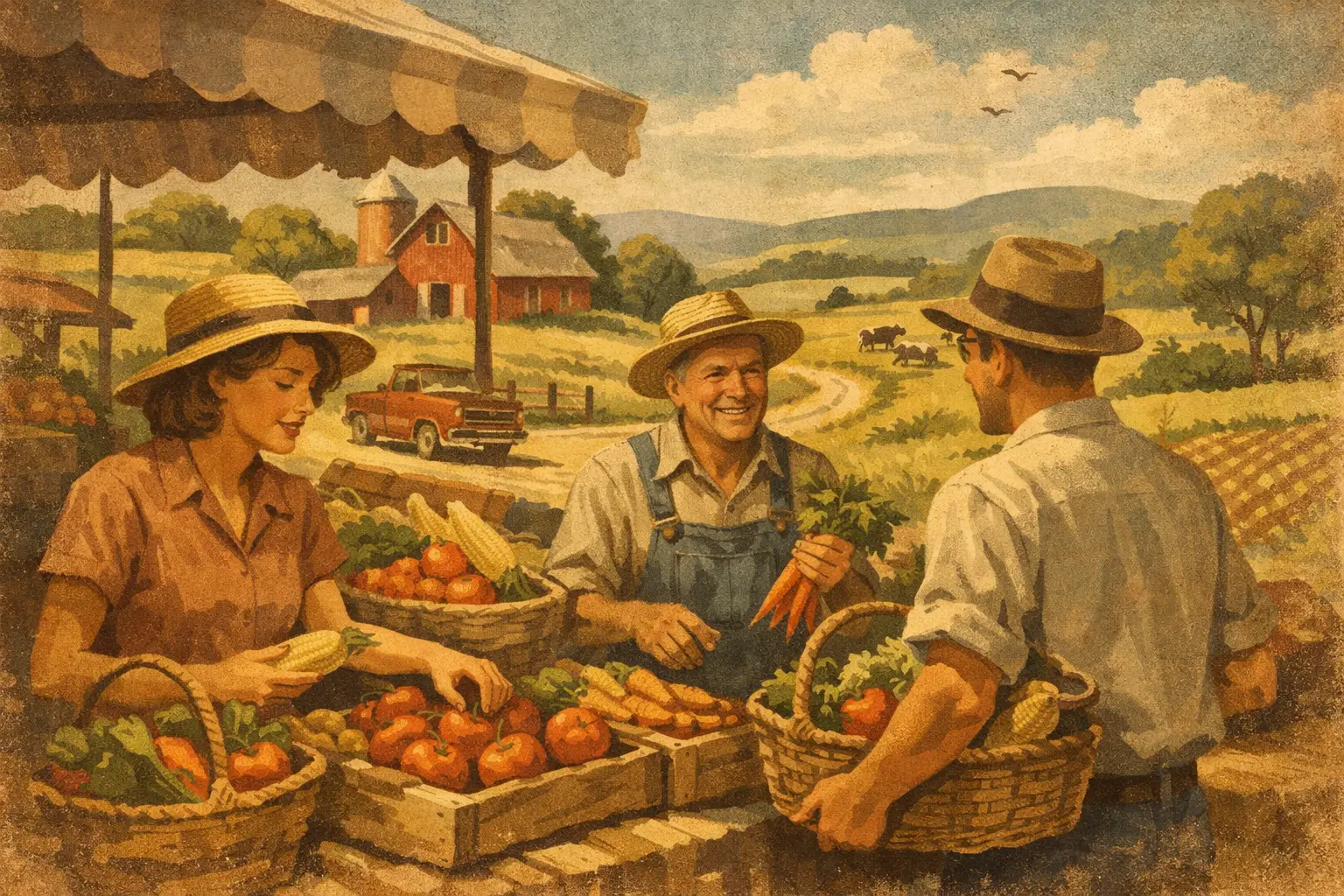
Markets are one of the strongest signals. Farmers markets, public markets, neighborhood produce halls, seafood counters, food courts with regional vendors – these spaces are often the quickest introduction to what people actually eat. You can see ingredients, portion sizes, pricing, and patterns. If one stall has locals lining up for grilled fish at 11:30 a.m., that line is doing research for you.
Neighborhood rhythm matters too. The areas right next to major attractions can still have good food, but they often cater to convenience first. Walk ten or fifteen minutes out, especially into residential or mixed-use blocks, and the energy usually shifts. Menus get tighter. Prices get more honest. You start seeing places designed for repeat customers instead of one-time passersby.
Time of day gives you another clue. A breakfast spot filled with workers before 8 a.m. tells a different story than a restaurant that doesn’t wake up until the tour buses arrive. Same with late-night food. If locals are still eating there after the shows, after work, or after family gatherings, that says something real.
Ask Better Questions, Get Better Meals
One of the easiest mistakes travelers make is asking, “Where should I eat?” That question is too broad, and it usually gets you the most obvious answer.
A better move is to ask, “Where do you go when you want something classic?” or “What’s the place for a local breakfast?” or “If your friend visited, where would you take them for food that feels like this city?” Those questions invite memory and personality, not just directions.
Hotel staff, rideshare drivers, bartenders, shop owners, and market vendors can all point you toward great food, but context matters. A concierge at a luxury hotel may recommend polished dining rooms. A bookstore owner might send you to the tiny cafe where the soup tastes like somebody’s grandmother is in the kitchen. Neither is wrong. It depends on the experience you want.
And when you do ask, be specific about your vibe. Say if you want casual, traditional, lively, affordable, seafood-heavy, or family-run. Local food is not one thing. In some destinations, the most “local” meal might be elegant and old-school. In others, it might come wrapped in paper from a street cart.
How to Spot the Difference Between Local and Tourist-Only
This is where things get nuanced, because a restaurant can serve visitors and still be excellent. Popular does not automatically mean fake. But there are signals worth noticing.
Places with giant multilingual menus, aggressive hosts out front, and dozens of dishes from completely different cuisines are often built to catch traffic, not preserve food culture. When everything is offered, very little is usually done with care.
On the other hand, a focused menu is often a great sign. If a place specializes in a handful of dishes, that usually means they know exactly who they are. It can also mean faster turnover and fresher ingredients.
Look around the room. Are people sharing plates like they’ve done it a hundred times? Are families ordering without even opening the menu? Is there a pace to the service that feels familiar rather than performative? Those details matter. Local food spots often feel lived-in. Not fancy for the sake of being fancy, just comfortable in their own identity.
Language can be a clue, but not a rule. A menu in English does not make a place less authentic, especially in major cities or tourism-heavy regions. What matters more is whether the food still reflects local habits, ingredients, and traditions.
Follow the Ingredients, Not Just the Hype
If you really want to understand how to find local food, start paying attention to what grows nearby, what gets caught nearby, and what the climate makes possible. Geography shapes flavor more than marketing ever will.
Coastal destinations often tell their story through freshness and simplicity. Mountain towns might lean into smoked meats, stews, cheeses, or preserved ingredients. Tropical regions often build meals around fruit, spice, herbs, and seafood. Once you understand the environment, menus become easier to read.
Seasonality matters too. If a destination is known for a particular ingredient during a certain time of year, that’s your window. Chasing strawberries out of season or oysters in the wrong month can lead to a meal that looks right but tastes flat. The best local food usually arrives when the place itself is ready for it.
This is part of what makes travel so electric. A dish is not just a dish. It’s weather, history, trade, family habits, migration, celebration, and survival all showing up on one plate.
Use Food Tours and Content Wisely
Food tours can be fantastic, especially early in a trip. They help you sample, learn, and get your bearings fast. A good guide can explain what’s traditional, what’s changing, and what people actually order when nobody is filming.
But tours vary. Some are deeply connected to local vendors. Others are more like entertainment routes with easy logistics. Same with online content. Beautiful videos can inspire you to go, but they can also flatten a destination into the same few camera-friendly bites.
That’s why creator-led travel works best when it leaves room for surprise. Let recommendations give you a starting point, then wander a little. The meal you remember most might not be the one with the best lighting. It might be the one with the music drifting in from the street, the owner making a suggestion with a smile, and a flavor you’ll spend months trying to describe back home.
Let Local Food Lead the Day
Some of the best travel days happen when you build around a meal instead of squeezing food in between attractions. Visit the neighborhood market in the morning. Wander nearby shops. Sit down somewhere that smells amazing. Order the dish you keep seeing other tables get. Stay long enough to notice the soundtrack of the room.
That approach slows travel down in the best way. You stop collecting places and start feeling them. For a brand like Musical Smile Guy, that’s where food, culture, and atmosphere really start moving together – like a great chorus landing at exactly the right moment.
If you want more memorable meals on the road, trust curiosity over convenience. Ask better questions, walk one block farther, and pay attention to where local life is already happening. The right meal usually isn’t hiding. It’s waiting where the place feels most like itself.