
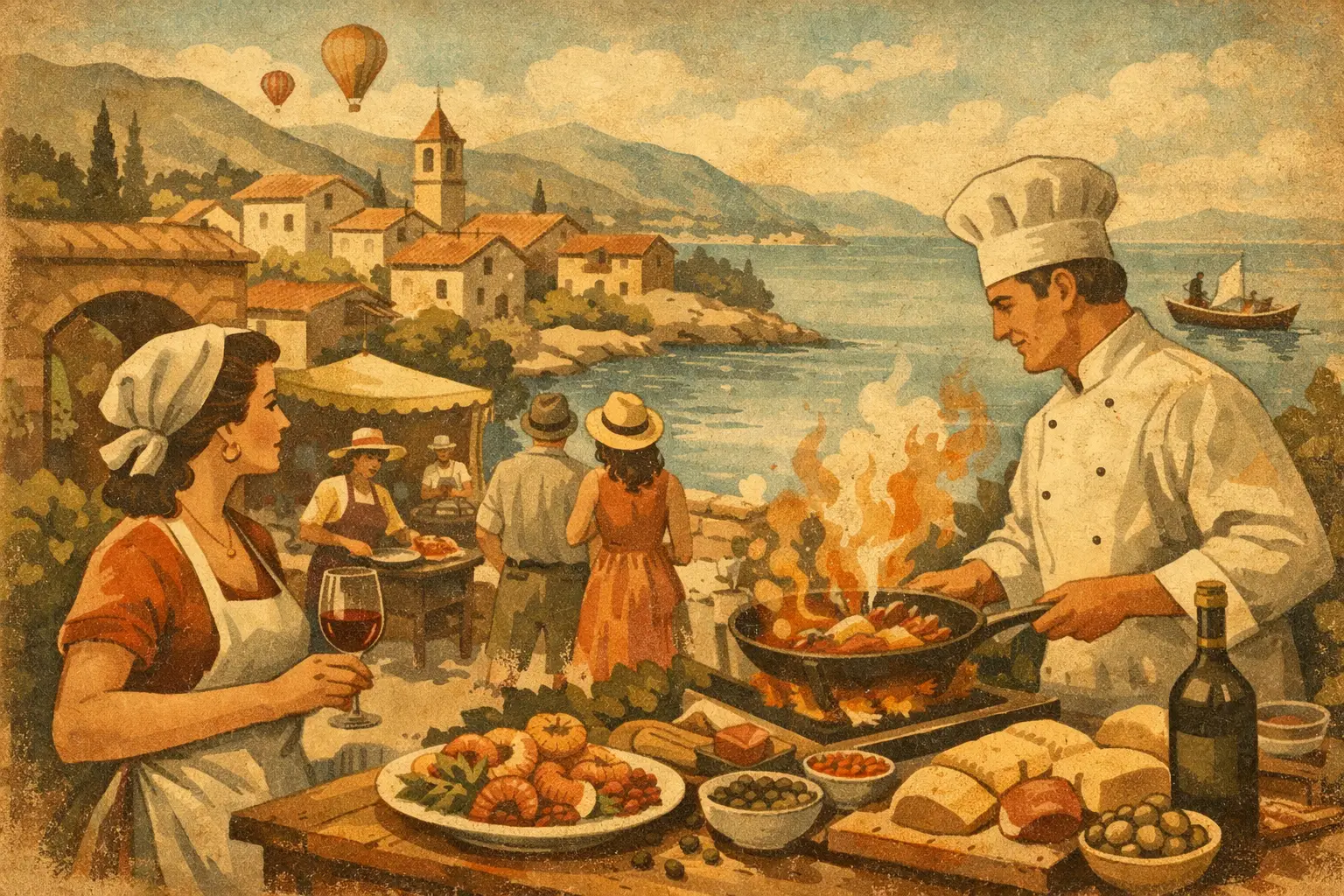
A warm pastry in a neighborhood bakery, a plate passed across a crowded table, a song drifting from a nearby bar – these are the moments that make a destination stay with you. Culinary tourism is not just about finding the most photogenic reservation or checking a famous dish off a list. It is about tasting the personality of a place, one conversation and one bite at a time.
For travelers who want more than an itinerary full of landmarks, food offers a beautiful shortcut to connection. It tells you what grows nearby, what families cook when they gather, which cultures have met at the harbor, and how a city celebrates. The best part is that you do not need to be a trained foodie to travel this way. You just need curiosity, a healthy appetite, and a willingness to follow the local rhythm.
Why Culinary Tourism Feels So Personal
A museum can explain a destination’s history. A meal can make that history feel immediate. Think about the difference between reading that a port city was shaped by migration and sitting down to a dish that carries the flavors of several homelands. Suddenly, the story has aroma, texture, heat, and a person across the counter telling you how their grandmother made it.
That is the real magic of food-focused travel. Meals pull us out of observer mode. We ask questions. We linger. We learn the names of ingredients we cannot pronounce yet, then smile when we spot them again at a market the next day.
Food also gives every kind of traveler an entry point. On a cruise, it might be tasting a regional specialty during a port day rather than rushing back to the ship after a quick photo stop. In a major city, it may mean trading one polished dinner for a tiny, family-run spot with three things on the menu. In a beach town, it could be following the early-morning crowd to where fishers and locals eat breakfast.
The setting matters, but the feeling matters more. A great meal becomes part of the soundtrack of a trip: the clink of glasses, the kitchen sizzle, the laughter at the next table, the live guitar player just outside the door. Food and music have a lot in common that way. Both can introduce you to a culture before you understand every word.
How to Experience Culinary Tourism Beyond the Hype
The internet can make every destination look like a competition for the trendiest table. There is nothing wrong with booking a celebrated restaurant if it excites you. A special tasting menu can be a wonderful part of a trip. But if every meal is planned around what is popular online, you may miss the flavors that locals actually return to.
Build a little room into your schedule for appetite and surprise. Notice where people are gathering at lunchtime. Ask a hotel host, tour guide, shop owner, or bartender what they would order on their day off. The question is better than asking for the “best” restaurant because it invites a personal answer.
Markets are especially valuable because they reveal what a place cooks with, not only what it serves visitors. Walk slowly. Look for ingredients that appear again and again. Watch what people buy in quantity. If there is a vendor who seems open to conversation, ask what they recommend for a first-time visitor. A simple piece of fruit, cheese, bread, spice blend, or local sweet can tell a larger story than an expensive souvenir.
It also helps to let one meal lead to the next. If you try a dish you love, ask where it originated or whether another restaurant prepares it differently. If a server mentions a local drink, find out when people typically enjoy it and what food goes with it. This is how a destination starts to unfold naturally instead of feeling like a checklist.
Choose Experiences With Real Exchange
The most memorable food experiences usually include a human connection. That does not mean you need to invite yourself into someone’s home or expect locals to become performers for visitors. It means showing up with respect, being present, and recognizing that hospitality is not the same thing as entitlement.
A cooking class can be fantastic when it is rooted in local knowledge rather than a generic activity designed for any city. A small-group food walk can introduce neighborhoods you might not explore alone. A winery, coffee farm, fishing village, or family bakery may offer an even deeper story when the people making the product have a chance to speak for themselves.
The trade-off is time. A quick food crawl can cover more ground, while a long lunch with one meaningful conversation may reveal more about the destination. Neither choice is wrong. It depends on the pace of your trip and what you hope to carry home besides photos.
If you are traveling with a group, let everyone choose one food moment that matters to them. One person may want handmade pasta, another may be chasing the perfect street taco, and someone else may care more about a local jazz brunch than the menu. Those different priorities can create a richer trip than trying to agree on one supposedly perfect experience.
Eat With Curiosity and Respect
Culinary tourism works best when curiosity comes with humility. You are a guest in someone else’s food culture, even when the dining room feels familiar. Learn a few basic food words in the local language, ask before photographing people or displays, and be gracious if a dish is different from what you expected.
Avoid treating unfamiliar foods like a dare. A playful spirit is welcome, but a destination’s everyday dishes are not novelty props. When something surprises you, ask what makes it meaningful. You may learn that the ingredient reflects a season, a religious tradition, a history of scarcity, or a family ritual that has lasted generations.
Consider the practical side, too. Food safety, allergies, dietary needs, and budget all shape what is realistic. Street food can be extraordinary, but choose vendors with fresh turnover and visible care in preparation. A high-end restaurant may handle allergies more easily, while a market lunch might offer more spontaneity and local character. The right choice changes from place to place.
Being thoughtful can also mean spending your dollars intentionally. When possible, support independently owned restaurants, market vendors, regional producers, and experiences that give back to the community. You do not have to make every meal a research project. Just remember that where you eat has an impact beyond your own plate.
Bring the Flavor Home Without Losing the Story
A food memory does not end when the trip does. Maybe you bring home a spice blend, a handwritten recipe, or the confidence to order something new at a restaurant in your own city. Better yet, bring home the story behind it.
Keep a few notes while you travel. Write down the dish, the neighborhood, who recommended it, and what was happening around you. The details matter. Years later, “seafood stew” may blur into every other meal, but “seafood stew after the rain, while a guitarist played by the harbor” brings the entire scene back.
Share those stories generously. Post the small bakery that made your morning. Tell friends about the cook who explained why a recipe starts with one particular pepper. If you are creating travel content, center the people and place rather than making the meal only about your reaction. The goal is not to prove that you found something hidden. It is to invite others to appreciate the culture with care.
Let Your Next Meal Set the Pace
The next time you travel, choose one meal you will not rush. Arrive with time to notice the room, ask a question, and taste what the place wants to say. Maybe it is a formal dinner with a view. Maybe it is a paper plate at a busy counter. Either can become the moment that gives a whole destination its color.
Join the adventure with an open mind, a hungry heart, and room in the schedule for the unexpected. The world has plenty of beautiful places to see, but the ones we remember most clearly are often the places we can still taste.