
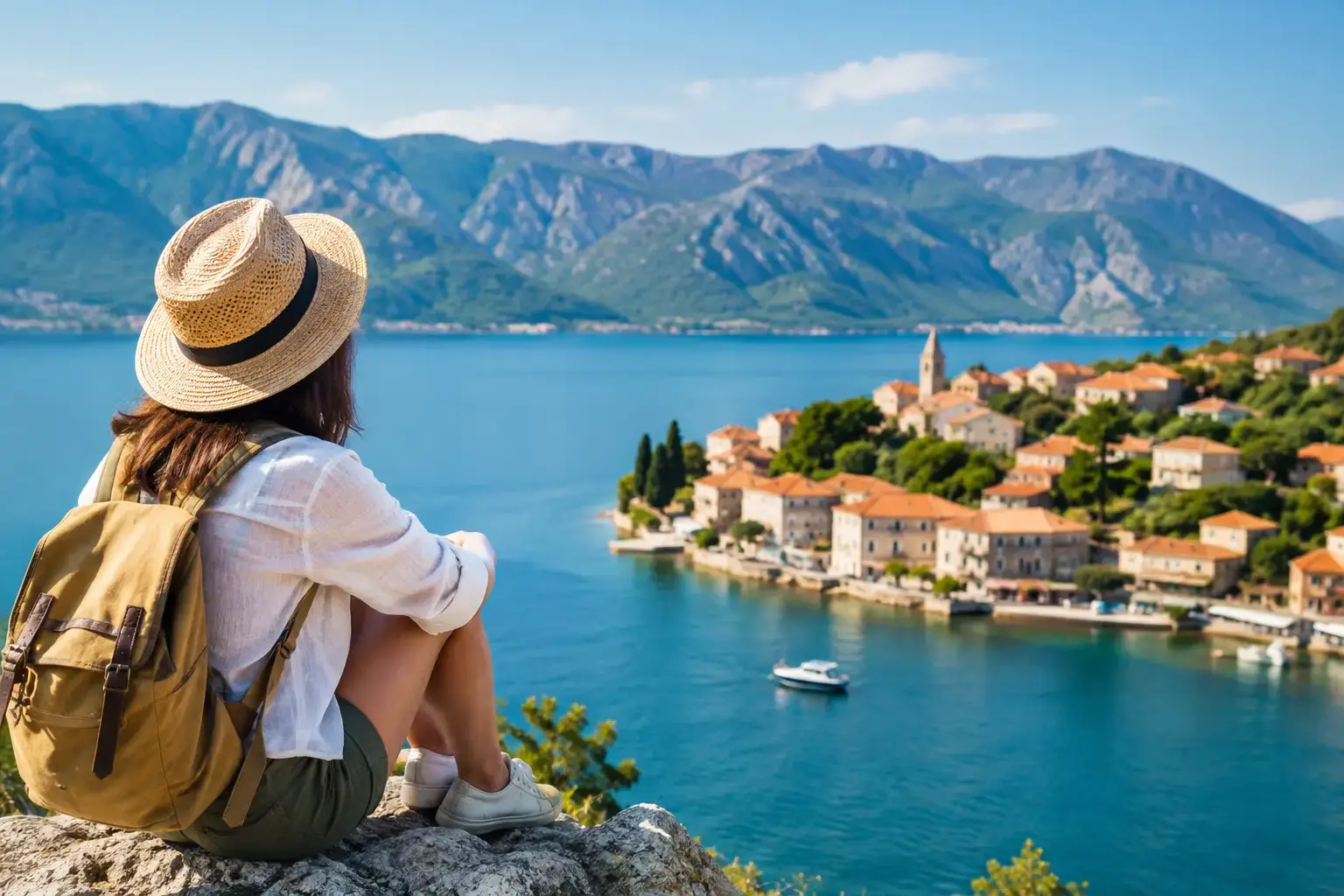
A destination can look perfect in a photo and still leave you feeling strangely untouched. Then there are places that stay with you for years: the rhythm drifting out of a doorway, a meal you still describe to friends, the warmth of a conversation with someone you met by chance. What makes a destination memorable is rarely one big attraction. It is the feeling that a place gave you something real.
For travelers who want more than a checklist, that is the whole point. A memorable trip does not ask us to collect proof that we were there. It invites us to be present enough to carry a piece of the place home.
What Makes a Destination Memorable Beyond the View
Breathtaking landscapes matter. A sail-in beneath dramatic cliffs, a sunset over a historic waterfront, or a city skyline glowing after dark can stop you in your tracks. But beautiful scenery alone is not always enough to create a lasting connection.
The places we remember best usually have texture. They have a distinct sound, smell, flavor, pace, and personality. You can return from a trip with hundreds of beautiful images, yet the moment that keeps replaying might be a street musician turning a familiar song into something new or the first bite of a dish you had never heard of before.
That is why memorable travel is personal. Two people can stand in the same square, take the same cruise excursion, and come home with completely different stories. The destination provides the setting. Your curiosity, mood, company, and willingness to engage create the meaning.
A Strong Sense of Place
The most unforgettable destinations do not feel interchangeable. They make their identity known in the details: architecture shaped by local history, a language with its own musical cadence, neighborhood rituals, market stalls, public art, and traditions that have not been polished into a performance for visitors.
Think about the difference between eating a meal that could be served anywhere and tasting something tied to one coastline, one family recipe, or one community celebration. The second experience tells you where you are. It gives the destination a voice.
This does not mean every moment has to be ancient, remote, or off the beaten path. A modern city can feel deeply rooted, too. A local DJ set, an independent coffee shop, a baseball game, or a late-night food hall can reveal just as much culture as a landmark. The question is whether the experience could happen only there, or whether it could have been copied and pasted into any itinerary.
Food Turns a Visit Into a Memory
Food is one of travel’s fastest routes to connection because it involves all the senses at once. You remember the crackle of something fried fresh, the spice that surprised you, the table full of laughter, and the person who explained what you were eating with pride.
A memorable meal does not need a white-tablecloth reservation. Sometimes it is the tiny bakery you found while wandering, the family-run spot with a handwritten menu, or the dish you ordered because the person next to you said, “You have to try this.” Those are the flavors that become part of the story.
There is a balance, though. Chasing only the most viral restaurant can turn dinner into another appointment. Leave room for discovery. Ask a local what they order, browse a grocery store, or choose the place that smells incredible when you walk past. A little spontaneity often tastes better than a perfectly optimized plan.
Music Gives a Place Its Pulse
Every destination has a soundtrack. Sometimes it is obvious, like jazz spilling into a New Orleans night or salsa moving through a Caribbean plaza. Other times it is quieter: gulls over a harbor, the gentle clink of cups at a sidewalk cafe, a train announcement in a language you are still learning to recognize.
Music has a special way of attaching emotion to a moment. Hear that song months later, and suddenly you are back on a balcony, on a beach, or walking toward the ship after a full day ashore. That is why seeking out local music can transform a trip from scenic to soulful.
You do not need tickets to a major venue to find it. Listen for the artists playing at a neighborhood bar, a cultural festival, a park, or a small restaurant. Let the sounds of a place interrupt your usual playlist. Travel gets more vivid when you stop trying to make every destination fit your routine.
The People Make the Story Worth Telling
Landmarks are memorable. Human connection is unforgettable.
A great guide who shares a family story, a shop owner who recommends their favorite pastry, or a fellow traveler who becomes your dinner companion can change the emotional temperature of an entire trip. These interactions do not have to be long or profound. A sincere welcome, a shared laugh, and a moment of kindness can be enough.
This is also where respect matters. Travelers get richer experiences when they arrive ready to learn rather than expecting a destination to perform for them. Learn a few local phrases. Notice the customs. Be patient when things move at a different pace. Curiosity opens doors that entitlement closes.
Of course, not everyone wants a social itinerary. Some of the best trips are quiet ones. But even solo travelers can build connection by observing carefully, supporting local businesses, and allowing small conversations to happen naturally.
Surprise Creates the Best Kind of Luxury
Luxury travel can be extraordinary: a beautiful cabin, attentive service, an unforgettable tasting menu, or the ease of waking up somewhere new. But comfort is not the same as memorability. The most polished itinerary can still feel flat if every minute is controlled.
Leave a little room for the unexpected. Take the side street. Stay for one more song. Say yes to the dessert you cannot pronounce. On a cruise stop, consider choosing one experience that goes beyond the obvious photo opportunity, even if it means seeing fewer attractions in a single day.
There is a trade-off. Too much spontaneity can create stress, especially when port times, transportation, or reservations are involved. The sweet spot is planning the anchors of your day while keeping open space around them. Know what matters most, then let the destination surprise you.
Shared Moments Make Memories Last Longer
Some experiences become more vivid because of who was beside you. A couple may remember the slow breakfast overlooking the water. Friends may keep quoting a funny moment from a food tour. A solo traveler may treasure the confidence that came from navigating a new city alone.
Sharing does not mean you have to post everything in real time. In fact, putting the phone away for a few minutes can make a moment feel more yours. Take the photo, capture a short video if it adds to the story, then look up. The goal is not to create content at the expense of experience. It is to preserve the energy of an experience worth sharing.
That is a big part of the Musical Smile Guy approach to travel: music, food, and culture are not separate categories. Together, they turn a destination into a feeling you can revisit.
Let the Destination Change Your Rhythm
The trips that linger are often the ones that shift something in us, even slightly. Maybe a city teaches you to linger over dinner. Maybe an island reminds you that a slower morning is allowed. Maybe hearing a new style of music sends you home searching for more of it.
You do not have to come back transformed for a trip to matter. Sometimes the change is simple: a new favorite dish, a deeper appreciation for another culture, or a story that makes you smile every time it comes up. Those small shifts are proof that you were not just passing through.
On your next adventure, do not pressure yourself to see everything. Choose one moment to savor fully: a local melody, a meal with a story, a conversation, or a view that makes you pause. Give the place your attention, and it has a much better chance of giving you a memory that lasts.
Leave a Reply