
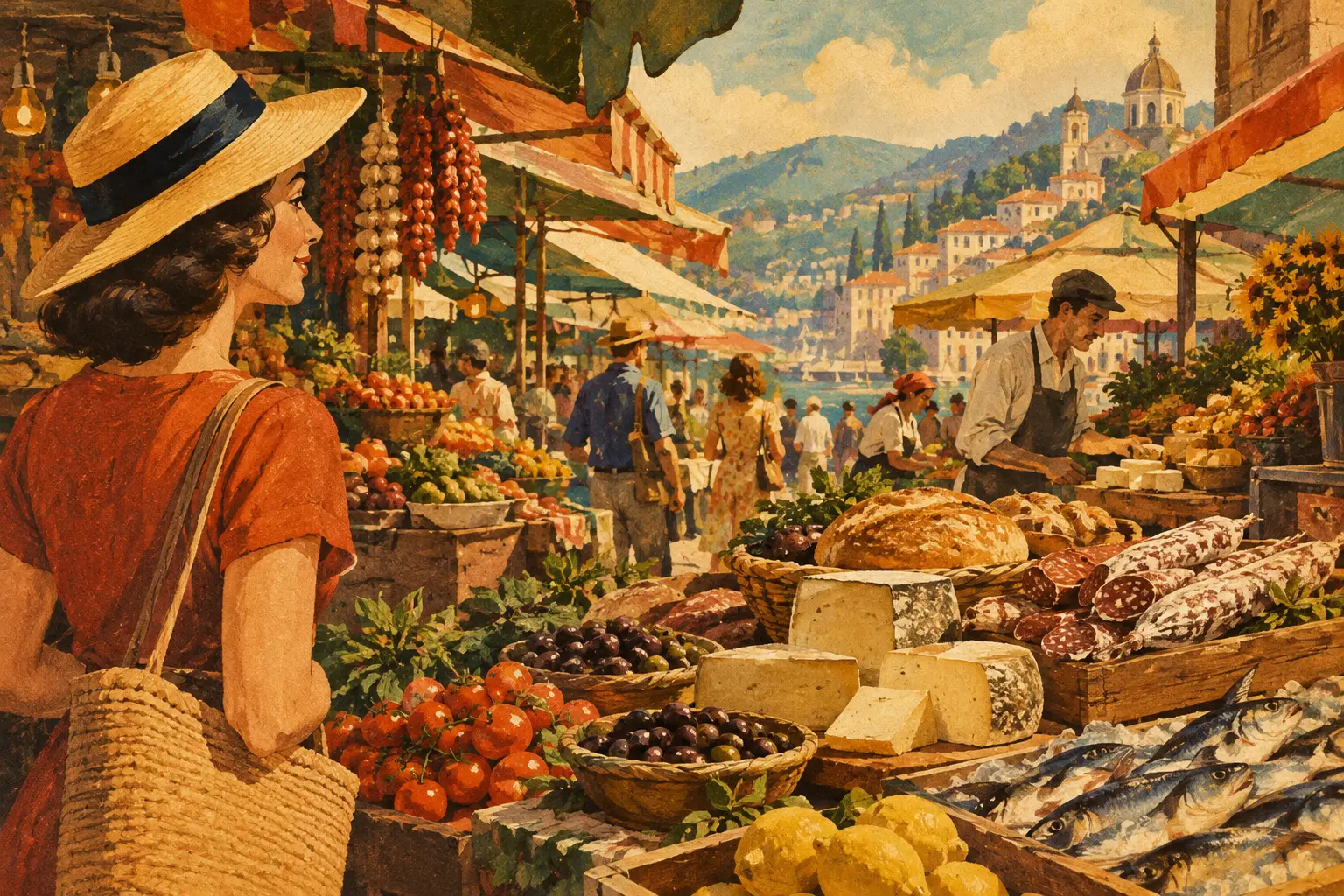
A market has its own soundtrack: knives tapping cutting boards, vendors calling out the day’s catch, espresso cups meeting saucers, and conversations that move faster than the checkout line. For travelers who remember a city by its flavors, the best markets for food lovers are not simply places to shop. They are living stages where local ingredients, family recipes, and everyday rituals come together.
The magic is not always in finding the most famous stall or the prettiest pastry. Sometimes it is standing beside a local deciding between three kinds of peaches, following the smoky scent of grilled seafood, or trying a dish you cannot pronounce but will talk about for the rest of the trip. Join me on a delicious global tour of markets worth building a day around.
What Makes a Market Worth the Trip?
A great food market gives you more than a full stomach. It offers a sense of place. You should be able to taste the climate, notice the season, and see how people gather when they are not putting on a show for visitors.
That said, famous does not always mean perfect. Some landmark markets are crowded, polished, and priced for tourists. They can still be wonderful, especially for a first visit, but the most memorable experience often comes from balancing the headline market with a neighborhood stop. Go early for the freshest food and more relaxed conversations. Return later if you want the music, energy, and evening snacks.
Best Markets for Food Lovers to Put on Your List
Tsukiji Outer Market, Tokyo, Japan
Tokyo’s Tsukiji Outer Market is an early-morning feast for the senses. While the famous wholesale tuna auction moved to Toyosu, the outer market remains a thrilling place to explore sushi counters, tamagoyaki stands, grilled scallops, seaweed shops, and glistening displays of seafood that look almost too beautiful to cook.
Come hungry but pace yourself. A skewer of wagyu, a warm square of sweet-savory omelet, and a bowl of seafood over rice can turn a quick stroll into breakfast with a plot twist. The market is busy, and it rewards a curious, respectful approach. Watch where you stand, keep walkways clear, and let the vendors lead the rhythm.
La Boqueria, Barcelona, Spain
Just off Las Ramblas, La Boqueria delivers color at full volume. There are pyramids of fruit, rows of jamón, gleaming olives, spices, mushrooms, and counters serving bites that make a glass of cava feel like an excellent idea before noon.
It is one of Barcelona’s most visited food stops, so timing matters here. Arrive close to opening if you want to take in the market before the biggest crowds arrive. For a more local feel, use La Boqueria for its visual energy and sample a few specialties, then save a longer meal for a neighborhood restaurant. That combination lets you enjoy the icon without letting the crowd set the entire mood.
Borough Market, London, England
Borough Market is proof that a food market can feel both historic and completely current. Under the railway arches near London Bridge, you will find British cheeses, fresh bread, oysters, small-batch condiments, international street food, and a crowd that knows exactly where the good lunch is hiding.
The joy here is variety. One person can order a comforting cheese toastie while another goes for Ethiopian food, handmade pasta, or a perfectly flaky pastry. Visit with a loose plan, not a packed checklist. The best move is to circle once, notice what has a line filled with locals and chefs, then make your choice with confidence.
Mercado de San Juan, Mexico City, Mexico
Mercado de San Juan feels like an invitation to eat bravely. This indoor market is known for its exceptional produce, seafood, cheeses, meats, and ingredients that reflect Mexico City’s reputation as one of the world’s most exciting culinary capitals.
This is a wonderful place to talk with vendors. Ask what is in season, what they would prepare at home, or which fruit you should try first. A market visit becomes more meaningful when you allow someone else’s enthusiasm to guide the bite. If you are adventurous, this is the spot to move past familiar tacos and explore flavors that challenge your usual order in the best possible way.
Pike Place Market, Seattle, Washington
Pike Place is an American classic with plenty of reason for its fame. Overlooking Elliott Bay, it blends Pacific Northwest seafood, flowers, local crafts, bakeries, and casual counters into a market experience with a true sense of occasion.
Yes, you may see fish tossed through the air, and yes, it is fun. But slow down beyond the main spectacle. Try a cup of chowder, a buttery pastry, or fruit from a regional farm stand, then walk to the waterfront with something warm in your hands. Seattle’s gray skies somehow make market snacks feel even more comforting.
Queen Victoria Market, Melbourne, Australia
Melbourne’s Queen Victoria Market has the range of a great playlist. It moves from produce and deli counters to coffee, prepared food, clothing, and seasonal night-market energy without losing its neighborhood feel.
For food lovers, the deli hall is the main event. Think cured meats, cheeses, pastries, and ingredients that make you wish your hotel room had a full kitchen. This is also a market where the social atmosphere matters as much as the shopping. Grab something to eat, find a place to sit, and enjoy the easy hum of a city that takes both coffee and food very seriously.
Marché des Enfants Rouges, Paris, France
Paris has plenty of beautiful food displays, but Marché des Enfants Rouges offers something especially inviting: a chance to eat across cuisines in a compact, historic setting. Tucked into the Marais, it brings together French produce vendors with counters serving Moroccan, Japanese, Italian, and other global flavors.
The market is smaller than some of the grand Paris institutions, which is part of its charm. Come for lunch and be prepared to wait a little at popular stands. The payoff is a meal that feels spontaneous rather than formal, with the bonus of stepping back into one of Paris’s most atmospheric neighborhoods when you are done.
Mercato Centrale, Florence, Italy
Florence can pull you toward museum lines and postcard views, but Mercato Centrale makes a powerful case for following your appetite. On the lower level, traditional vendors sell Tuscan ingredients, cheeses, meats, pasta, and produce. Upstairs, a lively food hall creates a more modern setting for tasting regional dishes.
Try the classics, but leave room for small discoveries: pecorino with local honey, a simple sandwich made with exceptional bread, or pasta that needs almost no explanation. The trade-off is that the upper level can feel more curated and visitor-focused than a neighborhood market. Still, it is a terrific entry point into the flavors of Tuscany, particularly if you want several people in your travel crew to find something they love.
Chatuchak Weekend Market, Bangkok, Thailand
Chatuchak is enormous, energetic, and gloriously unpredictable. It is known for much more than food, but its snack stalls and casual dining corners are reason enough to go. Coconut ice cream, grilled meats, mango sticky rice, noodles, and iced drinks offer welcome fuel as you weave through its maze of lanes.
This is not the place to schedule every minute. Wear comfortable shoes, carry water, and let your nose make a few decisions. Bangkok’s food culture is all about contrast – sweet, sour, spicy, salty, creamy, crunchy – and a market afternoon lets you experience that playful balance bite by bite.
Testaccio Market, Rome, Italy
For a market with neighborhood character, Testaccio Market is a standout. It is a place to see Roman food culture in motion, from produce and butcher stalls to prepared dishes rooted in the city’s working-class culinary traditions.
Order something that feels distinctly Roman, whether that means a stuffed sandwich, a pasta dish, or a seasonal vegetable prepared simply and beautifully. Testaccio is especially satisfying for travelers who want a market experience that feels connected to daily life rather than built around a single tourist moment. It is lively, delicious, and wonderfully unpretentious.
How to Eat Your Way Through a Market Well
The best market days are about curiosity, not conquest. Start with one small bite, then walk. Notice what people are carrying, where vendors are eating during their breaks, and which stalls have ingredients that look like they arrived that morning. If a line moves slowly, it may signal something special, though it can also mean a social-media-famous counter. Use your instincts.
Bring cash when possible, even though many markets now accept cards. Learn a few food words in the local language, ask before photographing people or displays, and avoid touching produce unless invited to do so. These small gestures show respect and often lead to warmer interactions.
Most of all, leave room for the unexpected. The dish you planned to try may be sold out. A sudden rain shower may push you into a tiny stall serving the best soup of the trip. That is not a detour from the travel story. That is the travel story. Wherever your next adventure takes you, follow the music of the market and let your appetite introduce you to the people who make a place memorable.
Leave a Reply