
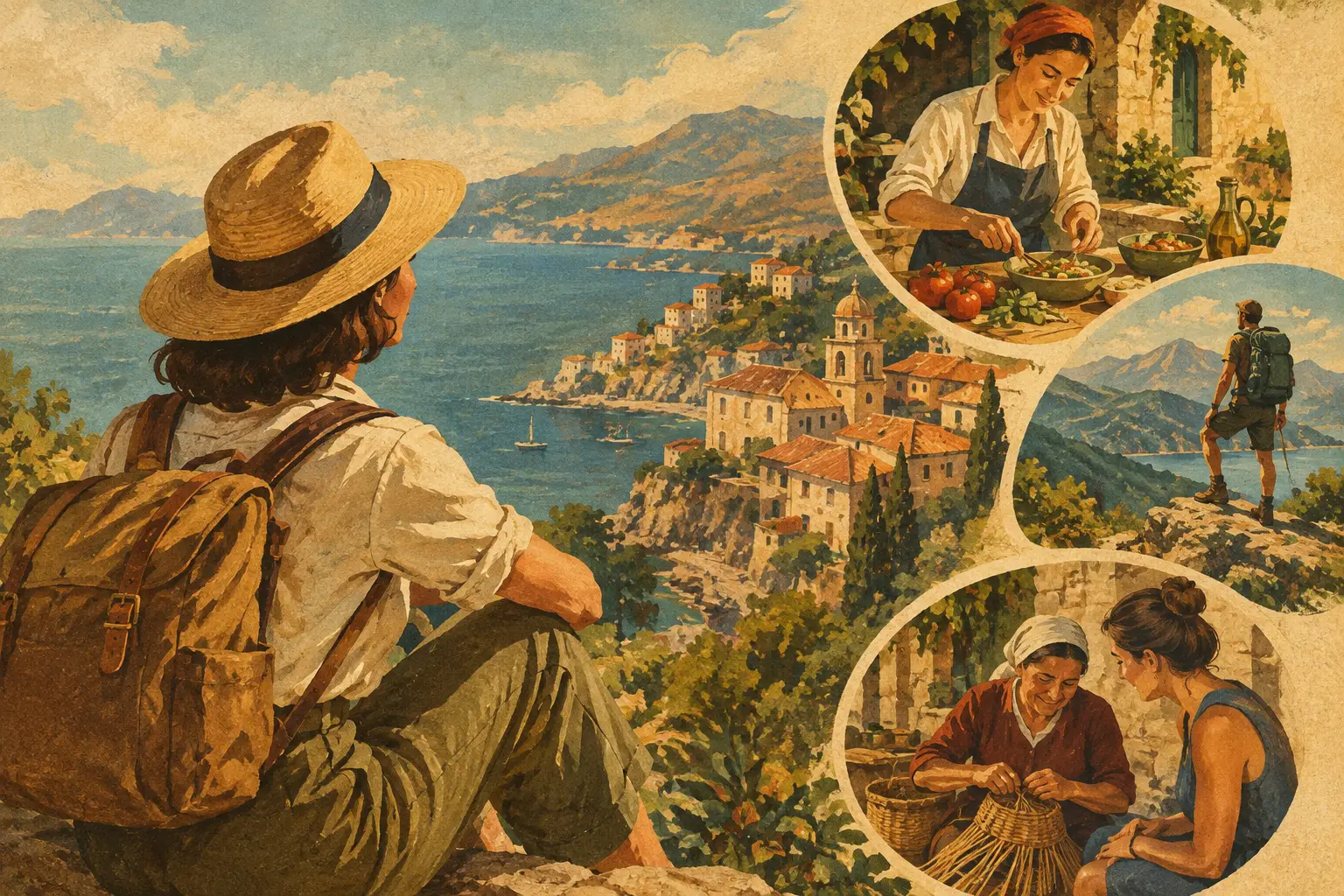
The best trips are rarely remembered by the hotel lobby or the number of landmarks checked off a list. They live in the details: the brass band drifting through a New Orleans street, the first bite of a dish you cannot stop talking about, the sunset conversation with someone who started the day as a stranger. That is why experiential travel trends are changing the way we plan getaways. Travelers are looking for stories they can feel, not just places they can photograph.
For those of us who believe travel should have a soundtrack, a flavor, and a little room for surprise, this shift is exciting. It invites us to trade the rushed itinerary for something more personal – a journey shaped by local culture, genuine connection, and moments worth replaying long after we unpack.
Why Experiential Travel Trends Are Growing
For years, travel culture rewarded the highlight reel. See the famous view, snap the photo, move on to the next stop. There is nothing wrong with a bucket-list moment, of course. Standing in front of an iconic landmark can still take your breath away. But many travelers now want the story behind the postcard.
They want to know what music fills the neighborhood after dark, where residents go for a comforting plate of food, and how a destination feels when the crowds thin out. They are choosing a cooking class with a local chef over another generic dinner reservation. They are booking a small-group walking tour led by a historian, artist, or lifelong resident. They are allowing an extra afternoon to wander instead of treating every hour like a race.
This is not simply about chasing something rare or expensive. A meaningful experience can be as simple as listening to a street performer in a city square, learning the rhythm of a new market, or sharing a table with fellow travelers on a cruise. The value comes from participation. You are no longer just passing through a place. You are letting it leave a mark.
The New Luxury Is Feeling Connected
Luxury travel is still part of the picture, but its definition has become more human. A beautiful suite, thoughtful service, and a great view absolutely set the stage. Yet the moments people treasure most often happen beyond the polished amenities.
Think of a private tasting that introduces you to the family behind a vineyard. Picture arriving in a coastal town and hearing a local musician play songs connected to its history. Imagine sitting down for a meal where every course tells you something about the people, ingredients, and traditions of the region. Those experiences feel elevated because they are specific. They could not happen in quite the same way anywhere else.
That is a big reason travelers are choosing smaller, more intentional activities. They want access, but they also want context. A destination becomes more vibrant when someone helps you understand why a dish matters, why a festival exists, or why one neighborhood has its own unmistakable sound.
Music Is Becoming Part of the Itinerary
Music has always had the power to turn a place into a memory. Hear a song years later, and suddenly you are back on that beach, in that jazz club, or on that ship deck with the ocean sparkling all around you. Travelers are building trips around that feeling.
Music-centered travel is showing up in festival weekends, intimate concert trips, heritage music tours, and nightlife experiences that go far beyond picking a bar at random. From Nashville to New Orleans, from Caribbean steelpan rhythms to flamenco nights in Spain, people are seeking the sounds that give a destination its pulse.
The most memorable music experiences do not always require a major headliner or a massive crowd. In fact, a small venue can be more powerful. A local performer telling stories between songs, a neighborhood dance night, or a spontaneous set in a tucked-away restaurant can create the kind of atmosphere no algorithm can fully predict.
There is a trade-off, though. Popular music events can bring higher prices, larger crowds, and limited availability. If your goal is connection rather than chaos, build in time for the unexpected. See the big show if it is meaningful to you, then leave room to ask a local bartender, guide, or shop owner where they go to hear great music on an ordinary night.
Food Is No Longer a Side Quest
For experiential travelers, food is one of the fastest ways to understand a destination. It is history, migration, family, celebration, and creativity on a plate. A meal can tell you more about a place than a brochure ever could.
That is why culinary experiences are becoming central to the trip, not something squeezed in between attractions. Travelers are visiting farmers markets, taking regional cooking classes, booking chef-led tastings, and seeking out restaurants that feel rooted in their communities. They want more than a pretty dish. They want to know where the ingredients came from and what inspired the person who made it.
Cruise travel offers an especially interesting version of this trend. A ship can introduce you to flavors from across the world, but the real magic happens when you carry that curiosity into port. Instead of defaulting to the closest familiar option, try a dish the destination is known for. Ask what locals order. Notice how spices, seafood, produce, and cooking styles change from one stop to the next.
You do not have to be an adventurous eater in every moment. Travel should still be enjoyable, and everybody has their comfort foods. The point is to make room for at least one meal that feels like a conversation with the place you came to see.
Smaller Moments Are Beating Packed Schedules
One of the most refreshing experiential travel trends is the move away from overplanning. It is tempting to fill every day with reservations, tours, and can’t-miss recommendations. But an itinerary with no breathing room can turn a vacation into a project plan.
A more thoughtful approach is to choose one anchor experience each day, then let the rest unfold. Your anchor could be a museum tour, a beach excursion, a food experience, or an evening performance. Around that, leave time to follow the energy of the destination.
Maybe you find a bookstore with a live acoustic set. Maybe a scenic walk turns into a conversation with a local artist. Maybe the café you duck into during a rain shower serves the best pastry of the entire trip. These are not wasted hours. They are often the moments that make travel feel alive.
This approach works beautifully on cruises, too. It is easy to chase every activity on the daily schedule, especially when there is so much happening onboard. Pick the experiences that truly excite you, then give yourself permission to slow down. Watch the water from a quiet deck. Stay after a performance to soak up the room’s energy. Let a new port surprise you.
Authenticity Requires Curiosity and Respect
The word “authentic” gets used often in travel, sometimes so often that it loses meaning. No destination exists solely for visitors, and local culture is not a backdrop for content. The best experiences happen when travelers arrive with curiosity, respect, and a willingness to listen.
That can mean choosing locally owned businesses when possible, learning a few phrases in the local language, following photography rules, and being mindful when visiting spiritual, historic, or residential spaces. It also means accepting that not every meaningful moment needs to be posted immediately. Some memories are better experienced fully before they become a caption.
There is also no need to put pressure on every interaction to be life-changing. A destination does not owe us a movie scene. Be present, be kind, and let the experience be what it is. Often, that openness is exactly what creates the deeper connection we were hoping to find.
How to Plan a More Experiential Trip
Start with a question that goes beyond “Where should I go?” Ask what you want to feel. Do you want to dance, taste, learn, recharge, celebrate, or reconnect? That answer can guide your choices better than a list of trending attractions.
Then choose experiences that reflect the character of the destination. If music is central to the city, make space for it. If the region is known for a particular cuisine, let that shape an evening. If you are sailing to several ports, notice what makes each one distinct instead of trying to recreate the same day everywhere.
Finally, keep one part of the trip unplanned. It might be an afternoon, a meal, or just a few hours. That open space is where the best detours tend to happen.
The next time you pack your bags, bring your curiosity along with your camera. Join the adventure with open ears, an open appetite, and enough room in your schedule for a destination to introduce itself in its own unforgettable way.
Leave a Reply