
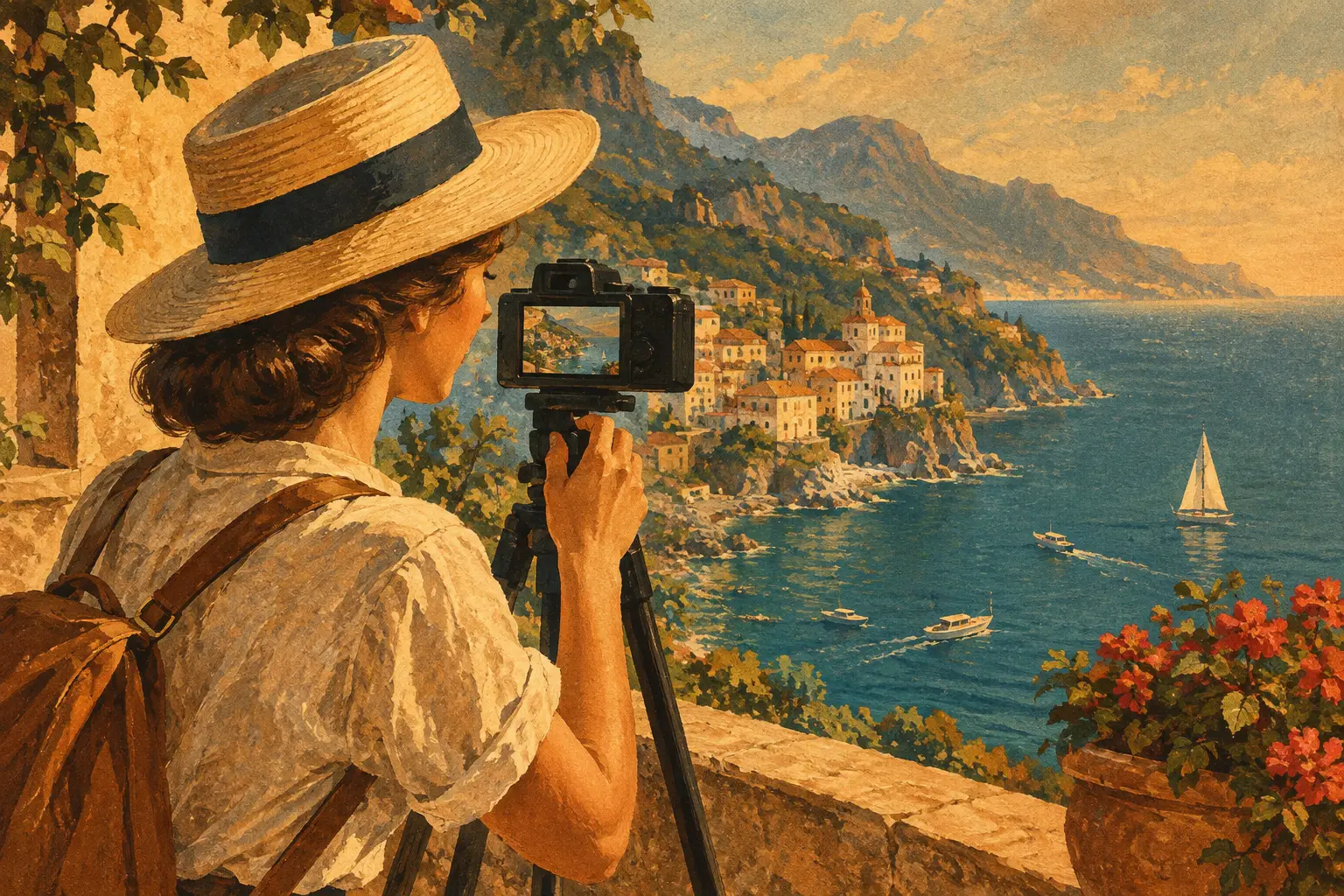
The best vacation videos do not just prove you went somewhere beautiful. They make people feel the warm ocean air on a cruise deck, hear the energy of a street musician around the corner, and wish they could take one more bite of that unforgettable local dish. If you are wondering how to create cinematic vacation videos, start by thinking less like a tourist collecting clips and more like a storyteller collecting moments.
You do not need a massive camera bag or a film-school vocabulary to make something memorable. A phone, a little intention, and an eye for the feeling of a place can go a long way. The goal is not to make your trip look staged. It is to preserve the experience in a way that invites others to join the adventure.
Start With a Feeling, Not a Shot List
Before you press record, ask one simple question: what do I want this trip to feel like? Maybe it is the joyful anticipation of boarding a cruise, the peaceful rhythm of a coastal town at sunrise, or the vibrant sensory rush of exploring a new food market.
That feeling becomes your creative compass. A luxury resort video might call for slow camera movement, golden-hour light, and relaxed music. A high-energy city weekend may need quicker cuts, crowded sidewalks, colorful signs, and a beat that matches the pace. Both can be cinematic, but they should not be edited the same way.
Give each day a loose story shape. You do not need to script every moment, but it helps to look for a beginning, middle, and ending. For example, your morning coffee on the balcony can set the scene, an afternoon excursion or food stop can bring the energy, and a sunset view can create a satisfying close. Those simple story beats make a collection of clips feel like a real journey.
How to Create Cinematic Vacation Videos One Moment at a Time
Cinematic footage is usually built from variety, not from one spectacular wide shot. When you arrive somewhere worth filming, pause before recording everything at once. Look for the details that reveal the personality of the place.
Film the wide view first: the ship entering port, the skyline beyond the train window, or the full table at dinner. Then move closer. Capture a hand lifting a glass, steam rising from a plate, waves hitting the shore, the texture of a market stall, or the smile shared when someone tries a new flavor.
A reliable sequence includes an establishing shot, a medium shot, and a close-up. The establishing shot tells viewers where they are. The medium shot shows what is happening. The close-up gives the scene emotion and texture. A beach becomes more vivid when viewers see the horizon, your footsteps in the sand, and grains of sand brushing from your hand.
Do not film every clip from eye level. Get low for a dramatic perspective, shoot through a doorway or palm leaves for depth, or capture a reflection in a window. Small changes in angle make your edit feel more intentional without turning vacation into a full-time production.
Move the Camera With Purpose
A cinematic camera move does not have to be complicated. Slowly push toward a plate of food, pan across an ocean view, follow someone walking into a new neighborhood, or reveal a landmark by moving around a corner. The key word is slowly. Fast, accidental movement is difficult to watch and even harder to edit.
Use both hands, tuck your elbows close to your body, and take a breath before you move. If you are filming on a phone, shoot in the highest practical resolution and clean your lens first. That tiny habit can make a surprising difference, especially in bright destinations where smudges show up quickly.
Stabilization can help, but it is not required. A gimbal is useful for walking shots and smooth reveals, yet it can also pull you out of the moment if you spend more time balancing gear than experiencing the destination. For many trips, a steady hand and shorter clips are the better trade-off.
Let Natural Sound Do Some of the Storytelling
Music matters, especially for a brand and audience that loves the emotional connection between sound and travel. But do not cover every second with a song. Natural audio makes a place feel real.
Record ten to fifteen seconds of ambient sound whenever you can: seagulls near the harbor, clinking glasses at dinner, rain on a window, a train arriving, laughter from your travel group, or the low hum of a ship leaving port. These sounds create transitions and give your video room to breathe.
If you speak on camera, keep it natural. You do not need a perfect travel-host monologue. A quick reaction after tasting something incredible or a few words about why a view stopped you in your tracks can become the emotional center of the whole edit. Personality is not a distraction from cinematic storytelling. It is often the reason people stay until the end.
When choosing music, match the track to the experience rather than choosing the trendiest sound available. Make sure you have permission to use it, particularly if you plan to post on YouTube or use the video for brand work. A beautiful edit can lose its momentum quickly if its audio is removed or restricted.
Film for the Edit, Then Keep the Edit Honest
The secret to a smoother editing process is filming with transitions in mind. Capture a hand opening a door, a suitcase rolling through a terminal, a menu being placed on the table, or the moment you look up at a view. These actions can connect scenes naturally.
You can also use visual matches. Cut from a circular coffee cup to a circular porthole window, or from the blue water in one destination to a blue cocktail in the next scene. These details give the video polish, but they should serve the story rather than show off an editing trick.
As you edit, choose your best clips instead of trying to include everything. That is the hard part. You may have loved a thirty-minute stroll through a historic district, but viewers only need a few carefully selected moments to understand why it mattered. Leave out repetitive shots, shaky footage, and anything that does not add emotion, information, or atmosphere.
Keep clips short when the energy is high, often one to three seconds. Let meaningful moments linger longer. A sunrise, a first look at a breathtaking landscape, or a quiet dinner conversation may need five or six seconds to land. Pace is not about cutting fast. It is about giving each moment the time it deserves.
Color correction should be gentle. Adjust exposure, contrast, and white balance so the footage looks consistent, then use color grading to support the mood. Warm tones can flatter a sunset dinner or tropical escape, while cooler tones may suit a misty mountain morning. Avoid pushing filters so far that the destination no longer looks like itself. Travel videos earn trust when they feel elevated but honest.
Make Food, Music, and People Part of the Frame
The most shareable travel videos usually have a human pulse. A gorgeous view is powerful, but it becomes more personal when we see your reaction to it. Let your companions appear in the footage. Include the chef plating the dish, the musician performing in the square, or the guide sharing a story about their home.
Food deserves more than a quick overhead shot. Film the preparation, the first cut, the pour, the reaction, and the setting around the meal. A delicious plate is part of the story, but so is the restaurant’s energy, the conversation at the table, and the culture behind the ingredients.
The same goes for music. If a local performance is part of your trip, capture a few seconds of the environment along with the sound. Be respectful of artists and venue rules, of course. Even a short clip of live rhythm can transport viewers more effectively than another generic montage.
Build a Repeatable Travel Video Rhythm
You do not have to make every vacation into a feature film. A 30-second social video, a two-minute recap, and a longer YouTube story can all come from the same trip. The difference is not necessarily the footage. It is the focus.
For a short video, choose one feeling or one standout experience: a perfect port day, a food crawl, or a sunset sail-away. For a longer piece, let viewers follow the arc of the day and include more of your voice. Save your favorite clips in organized folders as you go, labeled by location or activity. Your future self will be grateful when it is time to edit.
Most of all, put the camera down sometimes. The clearest sign that you know how to create cinematic vacation videos is not that you filmed every second. It is that you noticed the moments worth remembering, captured a few with care, and still gave yourself room to live the adventure.
Leave a Reply