A plate can be beautiful and still be forgettable. But the first warm bite of jerk chicken after a rainstorm in Jamaica, the clink of glasses as a cruise ship pulls away from port, or the auntie behind a market counter who insists you try one more sample? Those moments stay with us. Learning how to tell food stories means capturing what the meal felt like, not simply reporting what was on it.
For travelers and creators, food is one of the quickest ways into a place. It carries memory, migration, celebration, family pride, and sometimes a little friendly competition over who makes it best. When you give a meal its full setting, your audience does not just see dinner. They can imagine pulling up a chair.
Start With the Moment Before the First Bite
A strong food story rarely begins with the menu. Begin with the anticipation: what brought you there, what you noticed as you arrived, and why this meal mattered in that particular place and time.
Maybe you followed the sound of live salsa music into a neighborhood restaurant in San Juan. Maybe your ship docked early enough for a local breakfast, and the scent of fresh bread led the way. Maybe the meal came after a long day exploring a breathtaking coastline, when everyone at the table was sun-kissed, hungry, and ready to celebrate.
That context creates emotional stakes. A fish taco is a fish taco until we understand that it was eaten on a breezy pier at sunset, after a local captain spent the afternoon explaining the waters that provided the catch. The setting is not filler. It is part of the flavor.
Be specific without trying to describe every detail in the room. Choose the two or three observations that make the scene feel alive: the purple paint on the restaurant walls, the server singing along to a familiar song, the steam fogging the camera lens. Specificity gives an audience something to hold onto.
How to Tell Food Stories With All Five Senses
Taste matters, of course, but it is only one part of the experience. Food content becomes more vivid when it uses sensory detail with intention.
Describe texture and temperature as well as flavor. Was the pastry shatteringly crisp? Did the soup arrive with a slow, peppery warmth? Was the fruit so cold and juicy that it felt like relief after a humid walk through town? These details help viewers and readers build the moment in their minds.
Sound can do just as much storytelling work. Listen for the crackle of something hitting a hot grill, the rhythm of a busy open kitchen, the fizz of a poured drink, or the playlist drifting across a rooftop. For a brand that celebrates music, this is a natural connection. A meal has its own soundtrack, and that soundtrack can tell people whether the experience was relaxed, electric, intimate, or joyful.
Visual storytelling still deserves its moment, especially in video and social content. Capture the wide shot first: the table, the view, the people, the light. Then move closer to the details: a hand tearing bread, a chef adding the final garnish, sauce being spooned over a dish. The beauty shot earns attention, but the human movement gives it heart.
Make the People Part of the Plate
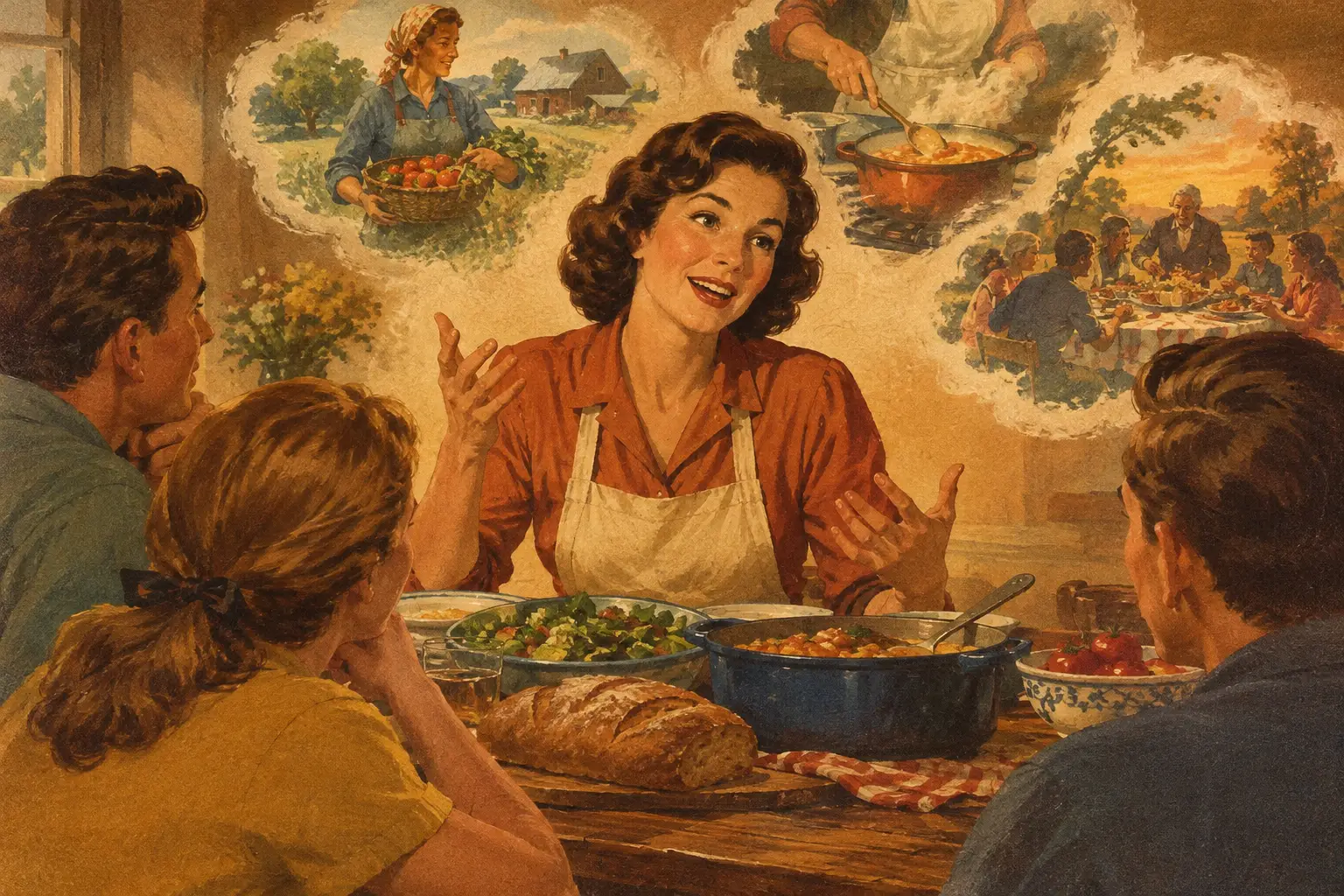
The most memorable food stories are usually not about food alone. They are about the people who grow it, cook it, serve it, share it, and teach you how to enjoy it.
If you can, ask one simple, respectful question. What do locals love about this dish? Is it connected to a holiday, a family tradition, or a particular neighborhood? What ingredient could never be left out? A short answer from a chef, vendor, bartender, or fellow traveler can add more depth than a long list of ingredients.
This is also where curiosity needs to come with care. Not every meal needs a sweeping cultural claim, and not every dish should be presented as a hidden secret you somehow discovered. If a food has deep cultural roots, let the people and place lead the story. Say what you experienced, credit what you learned, and avoid pretending one restaurant represents an entire country or community.
A creator’s personal perspective is valuable, but it should not overpower the people who made the moment possible. Think of yourself as the host who invites the audience in, not the only voice at the table.
Find the Story, Not Just the Superlatives
Words like delicious, amazing, and incredible are enthusiastic, but they cannot do all the work. Your audience wants to know what made the dish delicious. Was it the bright acidity that cut through rich meat? The smoky seasoning? The comfort of a recipe that tasted like someone’s childhood?
A useful way to shape a food story is to identify the change that happened during the experience. You might have arrived skeptical of a dish and left asking for another serving. You may have thought you were stopping for a quick snack, then found yourself in a conversation that lasted an hour. Perhaps a meal reminded you that luxury is not always white tablecloths. Sometimes it is a perfect mango, a plastic chair, ocean air, and time to enjoy it.
That small shift gives your story a beginning, middle, and ending. It also keeps the focus on feeling rather than review language. You can absolutely mention practical details like portion size, spice level, price range, or whether reservations are helpful, especially when your audience may visit. Just do not let logistics flatten the experience into a scorecard.
Let the Place Shape the Story
Food has a geography. The same dish can mean something different when you understand its landscape, climate, trade routes, and community. On a cruise itinerary, that can be especially exciting because every port offers a new way to taste the region beyond the ship.
Before you share a food story, take a few minutes to learn the basics. What grows nearby? What seafood is in season? Which communities shaped the local cooking? You do not need to turn every caption into a history lesson. One well-placed detail can make the story richer: a spice tied to the island’s agricultural past, a cooking method passed down through generations, or a dish built around the day’s local catch.
There is a trade-off here. Research adds credibility, but too much information can make a joyful food moment feel like homework. Let the facts support the atmosphere. The goal is to help people feel more connected to a destination, not to prove how much you know.
Build a Food Story for Each Platform
The core experience can stay the same while the format changes. A short video may begin with the first bite and your honest reaction, then reveal the setting. A photo carousel can move from the destination to the dish to a close-up of the hands and faces around it. A newsletter has room for the full story: the detour, the conversation, the soundtrack, and the reason you are still thinking about that meal weeks later.
For YouTube, give the audience a sense of arrival. Let them hear the street before you show the plate. In short-form video, lead with the most surprising sensory moment, whether that is a dramatic cheese pull or the sound of a market vendor calling out the day’s special. For written content, slow down enough to make the scene tangible.
At Musical Smile Guy, the magic is in letting travel, music, and food speak to one another. A dish can be the centerpiece, but the destination’s energy and the music in the air can make it feel like a complete memory rather than another restaurant stop.
Keep Your Reaction Honest
Not every meal will be life-changing, and that is perfectly fine. Honest reactions build more trust than forced excitement. If something was not for you because it was too spicy, too sweet, or outside your usual comfort zone, say so with generosity. Your preference is not a universal verdict.
Try language that leaves room for the experience: “I loved the smoky finish, though the heat may be intense if you are spice-sensitive,” or “The texture surprised me at first, but I appreciated the care behind it.” This approach is more useful to your audience and more respectful to the people serving the dish.
The best food stories leave a little room for wonder. Take the photo, record the sizzle, ask the question, then put the phone down long enough to be present. If you can remember how a meal made you feel, you will have something far more inviting to share than a picture of what was on the plate.