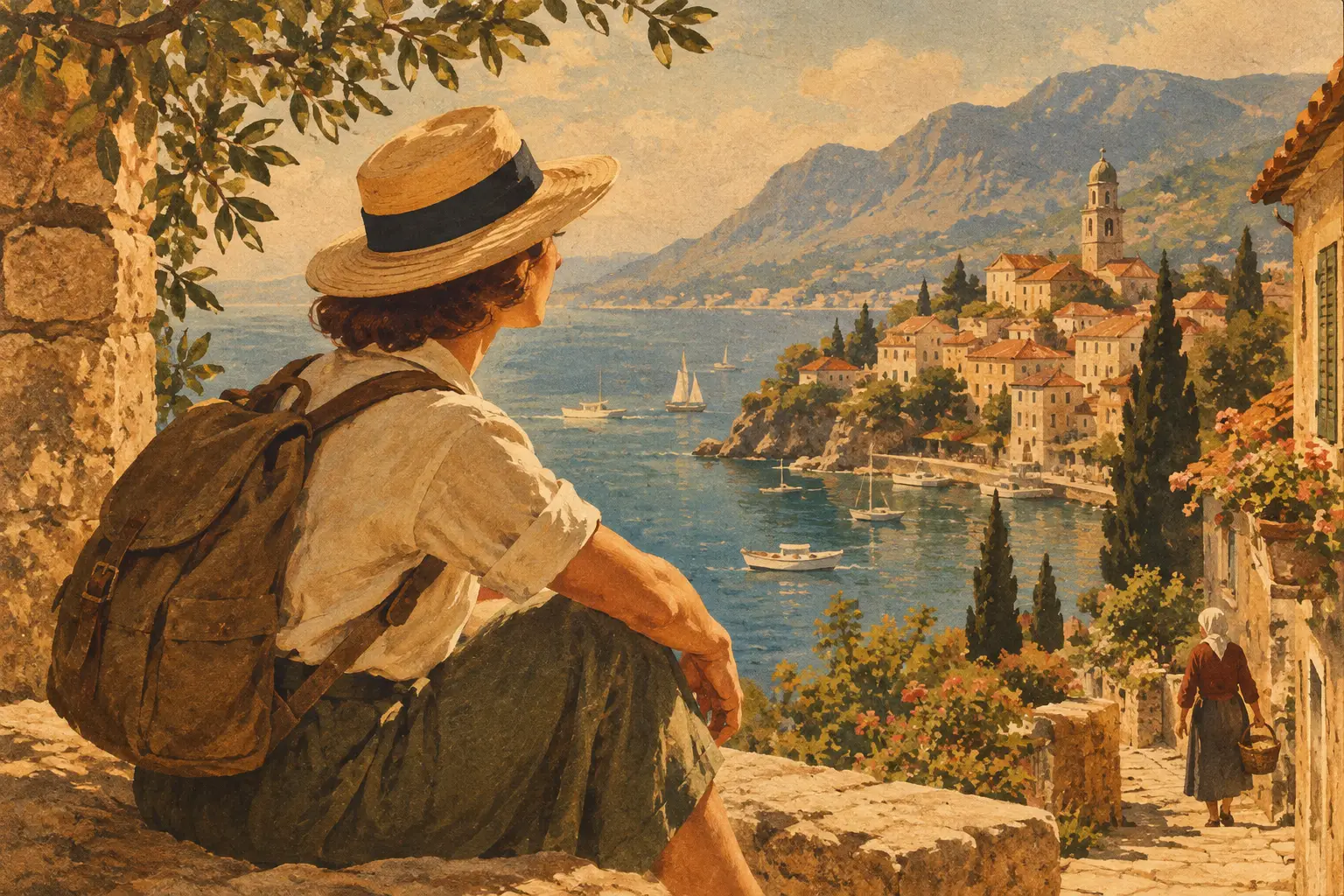
A harbor can look beautiful in a photo. But the moment that stays with you may be the sound of a guitarist playing near the water as the sun drops, the scent of grilled seafood in the air, and a stranger pointing you toward the dish they order every week. Authentic travel moments are rarely the things we can schedule down to the minute. They are the flashes of connection that make a destination feel less like a backdrop and more like a living part of your story.
For travelers who want more than a checklist, that is the real reward of getting out there. A breathtaking landmark is wonderful. So is a beautiful cruise ship, a polished cocktail lounge, or a table with a view. Yet the experiences that keep replaying in our minds often arrive in the spaces around the plan: the unexpected song, the warm conversation, the first bite of something unfamiliar, the detour that turns into the highlight of the day.
What Makes Authentic Travel Moments Different?
Authenticity is not about rejecting comfort, luxury, or popular places. It is not a contest to see who can find the least-known neighborhood or travel with the fewest conveniences. A moment can happen at a famous piazza, a lively port, a five-star restaurant, or a small family-run café. What matters is whether you are present enough to receive it.
The difference is participation. You are not simply observing a destination through a phone screen or racing through an itinerary because you feel you should. You are listening, tasting, asking, noticing, and allowing a place to surprise you.
That might mean hearing a local band play a familiar song with a rhythm you have never heard before. It might mean learning why a vendor prepares a dish a certain way, then realizing that the story behind the meal is as memorable as the meal itself. It might be a quiet early-morning walk on a cruise port day, before the streets fill and the day starts moving fast.
These experiences cannot be manufactured completely, but they can be invited in.
Leave Room for the Unplanned
There is a trade-off here. Planning makes travel smoother, especially when you have limited time in a destination. Reservations, transportation, shore excursions, and opening hours matter. Nobody wants to miss a once-in-a-lifetime experience because they confused Monday with Tuesday.
But an overplanned day can leave no room for a city to speak back.
Try building one open window into your schedule, even if it is only an hour. After you visit the museum, do not immediately rush to the next attraction. Wander a few blocks. Sit somewhere with a drink. Follow the sound of music. Ask the person behind the counter what they would eat if they had only one meal in town.
On a cruise, this can be especially powerful. A port day often comes with the temptation to maximize every minute, and sometimes a full-day excursion is absolutely the right choice. Other times, the better move is to choose one meaningful activity, then give yourself permission to explore at a human pace. Notice the neighborhood beyond the souvenir shops. Find the café where locals are lingering. Let the rhythm of the port guide part of the day.
The goal is not to abandon your plans. It is to make space for a little magic to enter them.
Follow the Music, Even When You Do Not Know the Song
Music is one of the fastest ways to feel the heartbeat of a place. You do not need to understand every lyric to recognize joy, longing, celebration, or pride in a performance. A drumline on a street corner, a jazz set drifting from an open doorway, a singer in a tiny lounge, or a DJ turning dinner into a party can reveal something guidebooks cannot fully explain.
When you hear music that pulls you in, pause. Stay for another song. Watch how the people around you respond. Are they clapping on a beat that feels different from what you know? Are families singing along? Is the performer blending tradition with something boldly modern?
That is cultural discovery with a pulse.
Of course, respect matters. Not every performance is an invitation for tourists to step into the center of the action with a camera. Read the room. Tip artists when appropriate, support the venue, and enjoy the experience without turning people into props for content. The best travel storytelling begins with appreciation, not extraction.
Let Food Become a Conversation
A great meal can be a luxury experience, a casual counter-service stop, or something handed to you in paper on a busy street. Price does not decide whether it is meaningful. Connection does.
Instead of asking only, “What is the most famous thing to eat here?” try asking, “What do you love?” That small shift changes the whole experience. You may still end up with the signature dish, but now it comes with a recommendation, a memory, or a little local debate about where it is prepared best.
Be curious about ingredients, traditions, and timing. Why is this dish served during a particular season? Why is the spice level different here? Why does everyone order that side dish with the main course? Food tells stories about migration, celebration, family, geography, and creativity. Every table has something to say.
You do not have to be fearless to eat well while traveling. If an unfamiliar dish feels like too much, start with a smaller portion or share it. Authentic travel is not about proving how adventurous you are. It is about expanding your experience in a way that feels joyful and respectful.
Put the Camera Down for Part of the Moment
Let’s be honest: photos and videos are part of how we remember and share the adventure. A gorgeous view deserves a few shots, and a perfect food moment may absolutely deserve a video. Visual storytelling can inspire someone else to travel, try a new dish, or hear a sound they never knew they needed.
Still, there is a difference between documenting a moment and living only for documentation.
Try a simple rhythm: capture what you need, then give yourself a few minutes with no camera in hand. Listen to the room. Look at the details outside the frame. Notice the temperature, the smells, the way your travel companion reacts, and the tiny things you would never think to film. Those details are often what bring a memory back to life years later.
If you create content, this pause can improve the story you tell afterward. Rather than posting a generic highlight, you have a genuine feeling to share. You can say what the place sounded like, what surprised you, and why a single moment mattered. That is the kind of story people remember because it gives them more than a view. It gives them a reason to care.
Be Curious Without Treating Culture as a Costume
Meaningful travel asks something of us: humility. We are guests in places that belong to people with full, complex lives beyond our vacation. Curiosity is beautiful when it comes with respect.
Learn a few words in the local language if you can. Ask before photographing people. Be patient when customs are different from home. Support local businesses when it makes sense. And resist the urge to label an experience “real” only because it matches a fantasy you brought with you.
Cities and cultures change. People blend old traditions with new influences. A destination can be deeply rooted and modern at the same time. That mix is not less authentic. It is often the most honest picture of a place.
The Best Souvenir Is a Story You Can Feel
When you come home, the details may blur. You might forget the exact name of a street or the order of every stop on your itinerary. But you will remember laughing with friends while a band transformed an ordinary evening. You will remember the flavor of a dish that made you pause mid-bite. You will remember standing on deck or by the shore, realizing that the world is much bigger, louder, warmer, and more connected than your daily routine.
That is why authentic travel moments matter. They do not just decorate a trip. They reshape how you carry the trip with you.
So join the adventure with a plan in your pocket, curiosity in your heart, and enough breathing room for the unexpected. The next unforgettable moment may not be on the schedule, but it could be waiting just around the corner.