
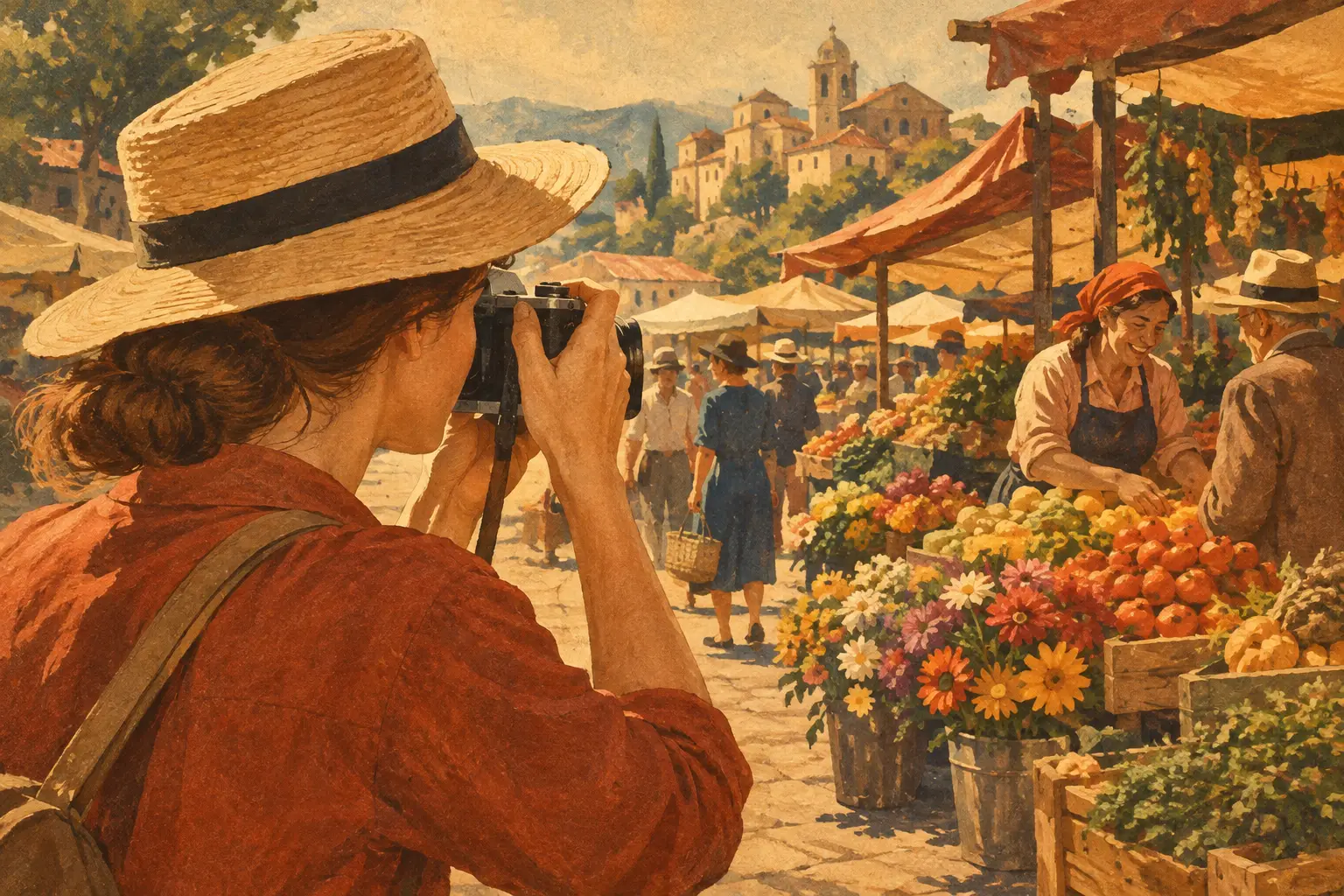
The first sound you notice may be a knife tapping a cutting board, a vendor calling out the day’s sweetest mangoes, or a busker finding a rhythm between the produce stalls. That is the moment to slow down. Knowing how to photograph local markets is less about collecting pretty pictures of fruit and more about preserving the energy of a place where food, people, and daily life meet.
A market can be one of the most visually generous stops on any trip, whether you have wandered off a cruise excursion for an afternoon or built an entire day around a neighborhood food hall. It is also a place that asks you to be present. The best photos come from curiosity, good manners, and an eye for the little moments that make a destination feel alive.
Arrive Before You Start Shooting
Give yourself a few minutes without your camera at your eye. Walk one full loop. Notice where the light falls, which stalls have the richest colors, where the crowd moves slowly, and which corners are full of sound and conversation. A market has its own tempo, and your photos improve when you stop trying to control it.
Morning often brings cleaner light, fewer crowds, and vendors arranging their displays with care. Later in the day can be more dramatic: steam rising from hot food, shopping bags swinging through busy aisles, and golden sunlight catching the edge of a spice pile. Neither is automatically better. If you want a calm, detail-rich story, go early. If you want movement and personality, stay when the market is buzzing.
Before photographing a vendor or a small stall, buy something if you can. A cup of coffee, a pastry, or a piece of local fruit is a simple way to participate rather than observe from a distance. More importantly, it opens the door to a real exchange. Ask what they recommend. Let the conversation lead your images.
How to Photograph Local Markets Respectfully
Markets are public spaces, but that does not mean every person wants to become part of your travel content. Respect creates better photographs because people relax when they know you see them as humans first.
When someone is clearly the subject of your frame, make eye contact and ask. A smile, a gesture toward your camera, and a quick question can work when you do not share a language. If they say no, thank them and move on without making it awkward. There will always be another scene.
For candid moments, keep your focus on the broader atmosphere: hands passing a paper bag across a counter, shoppers choosing tomatoes, a cook plating lunch, or friends sharing a table. These images tell a story without treating strangers like scenery. Be especially thoughtful around children, religious traditions, moments of prayer, and people working in close quarters.
If you are using a phone, avoid holding it directly in someone’s face. If you are using a larger camera, step to the side and make your intentions obvious. The goal is not to sneak a shot. The goal is to become a welcome, respectful guest in a vibrant place.
Start With the Wide Shot, Then Get Closer
A strong market photo series feels like a song with an opening beat, a memorable chorus, and small details that pull you back in. Start by photographing the whole scene. Look for a high vantage point, an entrance sign, a long aisle, colorful awnings, or a food counter with a line forming in front of it. This establishes where the story takes place.
Then move closer. Photograph a vendor’s hands tying herbs, the char on grilled seafood, the texture of woven baskets, or the shine on an iced drink. Details give your audience something to feel. They also create visual variety when you share a carousel, video montage, or travel recap.
Finally, look for the human connection. Maybe it is a grandmother picking out vegetables, a chef laughing with a regular customer, or a musician playing beside an outdoor market. These are the frames that turn a destination from a postcard into a memory.
A helpful rule is to capture each scene in three ways: wide, medium, and close. The wide shot shows the market’s setting. The medium shot reveals an interaction. The close shot carries texture, color, and mood. You do not need to photograph every stall this way, but using this rhythm keeps your final collection from feeling repetitive.
Let Color and Light Do Some of the Work
Markets are made for color, but color can get overwhelming fast. Instead of trying to fit every bright object into one frame, choose a color story. Maybe it is the red of chilies against a blue tablecloth, the yellow of citrus piled beneath a striped awning, or a vendor’s green apron echoed by leafy produce.
Side light is especially beautiful for food and texture. It reveals the shape of bread, the wrinkles in a market bag, and the layers in a display of spices. If midday sun is harsh, do not give up. Step under an awning, work near the open shade of a stall, or use the bright sun deliberately for bold shadows and graphic compositions.
For phone photographers, tap the brightest part of the scene and lower your exposure slightly. This can save highlights on white tents, shiny plates, and colorful fruit. With a camera, consider aperture priority or a fast prime lens when you want a soft background that separates a vendor or dish from the busy market behind it.
The trade-off is that a shallow depth of field can remove too much context. A creamy background is lovely for a portrait or close-up, but sometimes you want the crowded aisle, handwritten price signs, and neighboring stalls to remain visible. Let the story decide how much of the scene stays in focus.
Photograph the Food While It Still Feels Real
A market meal does not need to look styled to be beautiful. In fact, the most inviting food images usually preserve a little honest mess: sauce on a napkin, steam on a bowl, a half-finished drink, or someone reaching in for the first bite.
Shoot from slightly above when you want to show the full plate, especially at a small café table. Get lower when the food has height, such as stacked sandwiches, skewers, or a chef working over a grill. And take one photo that includes the person sharing the meal. Food tastes even better in a travel story when we can see the joy around it.
Capture Movement, Sound, and Personality
Still photos can suggest sound when you watch for action. Photograph the flash of a knife, the pour of tea, a bag of popcorn being shaken, or a musician’s hands moving across strings. A slightly slower shutter speed can add motion blur to shoppers walking through an aisle, making the image feel busy without losing the shape of the market.
If video is part of your travel storytelling, gather short clips with purpose. Record five seconds of sizzling food, a vendor arranging flowers, a crowd moving past a sign, or local music drifting through the space. Hold the phone steady, resist panning too quickly, and let each clip breathe. The sound of a market can carry viewers there faster than a polished voiceover ever could.
Do not chase every moment. Pick one or two elements that make this particular market special. Maybe it is a seafood counter by the water, a late-night snack tradition, live percussion near the entrance, or the way locals gather for breakfast. Specificity is what makes your content feel personal instead of interchangeable.
Edit for the Feeling You Had There
Editing is where you decide what you want people to remember. Aim for colors that feel true to the place. A little warmth can enhance a sunny morning market, while a cooler treatment may fit a rainy city food hall, but avoid pushing saturation until every pepper and pastry looks unreal.
Choose your strongest images, not every image. One powerful portrait with permission, one wide scene, two food details, and one image of movement can tell a fuller story than 20 similar shots. If a photo is technically imperfect but captures a genuine laugh or a surprising interaction, keep it. Feeling matters.
When you write the caption, go beyond naming the location. Share what you smelled, what you ordered, the song you heard, or the recommendation that changed your mind. Invite your audience into the moment: Would they choose the spicy noodles or the citrusy pastry? Those small questions make travel storytelling feel like a shared adventure.
The next time you walk into a local market, let your camera be a reason to look longer, taste more bravely, and start a conversation you might have missed. The most memorable image may not be the most polished one. It may be the frame that brings you right back to the music, the flavors, and the smile that welcomed you in.