
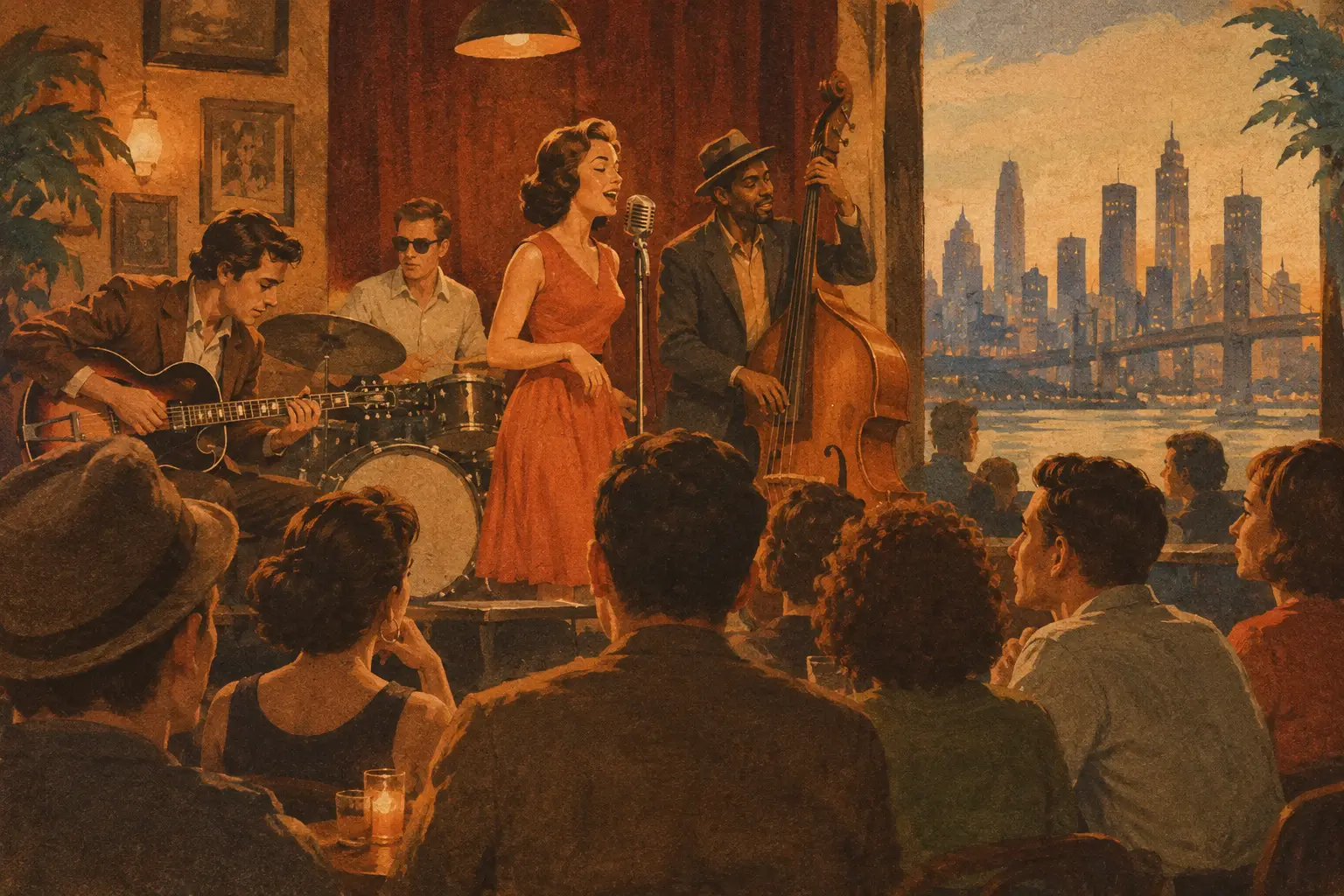
A great trip can change course in a single room: a trumpet cutting through conversation at a tiny jazz bar, a singer-songwriter holding a rooftop crowd still, or a DJ turning a neighborhood patio into the place nobody wants to leave. This local music scene guide is for travelers who want more than a playlist inspired by a destination. It is for those of us who want to feel the city breathing after dark.
Music is one of the fastest ways to move from visitor to participant. You may not know every lyric or every dance step, but you can recognize the energy of a crowd that knows it has found something special. Add a memorable meal, a walk through a lively district, and a little curiosity, and one evening can become the story you tell long after you unpack.
Start Your Local Music Scene Guide Before You Arrive
The best live-music nights rarely announce themselves with giant billboards. Before your trip, look past the biggest arena dates and search for the sounds that belong to the city. Think neighborhood venues, independent record stores, community calendars, university performance spaces, hotel lounges, and cultural centers.
Your first question should not be, “Who is famous here?” Try, “What does this city sound like on a normal Friday night?” In Nashville, that answer might lead you to a writers’ round where future hits begin as bare vocals and guitar. In New Orleans, it could mean brass bands rolling through a club where the room feels like part of the rhythm section. In Miami, it may be Latin jazz, salsa, Afro-Cuban percussion, or a DJ set that keeps the waterfront moving past midnight.
Social media can help, but use it with a little strategy. Follow a few venues rather than only performers. Their posts reveal whether a show is a ticketed concert, a casual residency, an open mic, or a late-night dance party. Short videos also tell you something event listings cannot: whether the crowd is seated and focused, dressed for a big night out, or ready to dance shoulder to shoulder.
If you are arriving by cruise, time matters even more. Check the port schedule, travel time from the terminal, and the show’s actual start time before making plans. A beautiful club across town is not the right choice if you will spend the whole night watching the clock. Sometimes the better story is the excellent local trio five minutes from the waterfront.
Follow the Neighborhood, Not Just the Headliner
A city’s music culture is often tied to a few blocks, not a single address. Pick an area with personality and give yourself enough time to wander before the music begins. This is where travel, food, and sound become one experience instead of three separate items on an itinerary.
Arrive early for dinner at a place that feels rooted in the neighborhood. Ask your server what people are listening to lately, or where musicians go after their sets. That question is more useful than asking for “the best bar,” because it invites a real recommendation instead of a tourist default.
Then take a slow walk. Notice the posters in cafe windows, the bass coming from an upstairs room, the line forming outside a doorway you might have missed. A music neighborhood has its own rhythm: early diners, sound checks, street performers, friends greeting each other outside venues. Let the atmosphere guide you.
There is a trade-off, of course. The most iconic music district may also be the busiest, priciest, and most polished version of itself. If you want a big, high-energy night, that can be exactly right. If you are chasing a more intimate connection, look one neighborhood beyond the obvious district. Smaller rooms often offer lower stakes, shorter lines, and more chances to hear artists before the rest of the world catches on.
Let the Venue Tell You What Kind of Night It Is
Not every show needs to be a major event. Some of the most memorable sets happen in spaces built for listening, not spectacle. A listening room is ideal when you want to hear songwriting and stories. A jazz club rewards patience and attention. A dance venue is about movement, shared energy, and letting the night surprise you.
Read the room when you arrive. If people are quiet during songs, keep conversations low. If the front of the stage is open and the crowd is dancing, join in without overthinking it. You do not need to perform appreciation perfectly. Be present, be respectful, and let the local rhythm lead.
How to Find Music That Feels Local
Tourist-facing shows can be wonderful, especially when you have limited time or want a polished introduction to regional traditions. But “local” is not a genre, and it does not always mean hidden. The goal is to find artists and spaces that have a relationship with the city beyond a marketing slogan.
Look for recurring nights: a weekly jazz jam, a Sunday blues brunch, a resident DJ, a songwriter showcase, or an open mic with a loyal crowd. Recurring events tell you that people return for the experience, not just because it appeared on a travel list.
Pay attention to the opening act, too. Travelers often arrive late, but the first artist on the bill may be the closest thing to a direct introduction to the community. Stay for a full set when you can. Listen to the songs between songs. Musicians often mention where they grew up, the places that shaped their work, and other artists worth catching around town.
If the artist has merchandise, buying a shirt, record, or small item is a meaningful way to support the scene. It is also a better souvenir than something mass-produced at an airport. Take a photo if the venue allows it, but do not spend the set viewing the room through your phone. Capture a moment, then put the camera down and let the music do its job.
Make Room for the Unexpected
A carefully planned night has value, but a little flexibility is where the magic lives. Leave a window after your main show for a nightcap, dessert, or a walk toward the next sound you hear. You might find a patio guitarist, a late-night soul set, or a restaurant where a local band has everyone singing along.
This is also where good judgment matters. Check transportation before you head out, keep your belongings secure, and be mindful of the neighborhood after hours. Ask venue staff which streets are busiest when the show ends or where to catch a ride. Feeling confident about the basics gives you more freedom to enjoy the moment.
Traveling with friends? Do not make the whole group agree on every note. One person may want a high-volume club while another wants acoustic music and a great cocktail. Split up for a couple of hours if that makes the night better, then reconnect over late food and compare discoveries. A city is allowed to be bigger than one plan.
Bring the Sound Home With You
The real payoff of seeking local music is not just a fun evening. It is the way a song can return you to a specific street, a favorite dish, a warm night, or the smile of someone who told you, “You have to hear this band.” Months later, one track can bring the whole destination back in color.
Make a small playlist after each trip with artists you heard, songs that fit the mood, and even tracks suggested by locals. Add a note about where you were when you first heard them. It turns your travel memories into something living, ready to play whenever you need a little escape.
The next time you land somewhere new, give the city one evening to introduce itself in its own voice. Order something local, follow the sound down the block, and join the room for a while. You may leave with tired feet, a full heart, and a new artist you cannot wait to share.