
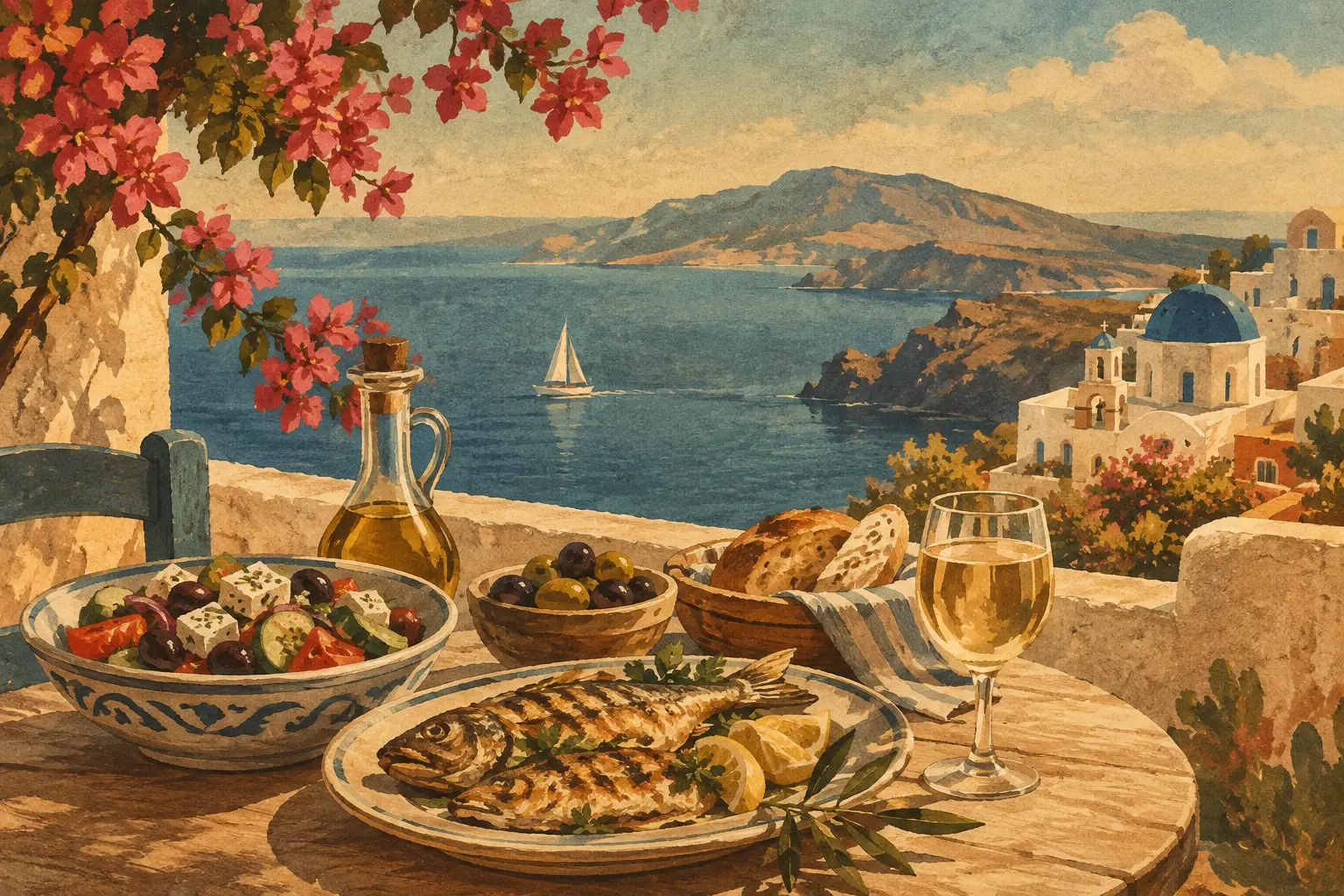
The best culinary travel islands do not announce themselves with a white-tablecloth reservation. They greet you in the fragrance of grilled fish near the harbor, the sound of a blender working overtime at a beach stand, and the first bite of something made from a recipe that has traveled through generations. On an island, food is rarely just food. It is weather, memory, migration, music, celebration, and a very good reason to stay out a little later than planned.
For travelers who want more than a checklist of landmarks, islands offer a special kind of connection. Their cuisines are shaped by clear boundaries and wide-open seas: what grows in the soil, what comes off the boats, and who arrived on shore with new spices, techniques, and stories. That mix makes every meal feel like a passport stamp you can taste.
Why Islands Make Food Feel More Personal
Island cooking has a sense of place that is hard to fake. A mango picked nearby tastes different from one that has crossed the country in a refrigerated truck. Fresh conch, octopus, plantains, olives, goat cheese, rum, and coffee all carry the character of the landscape around them.
There is also a rhythm to island eating. Breakfast may happen slowly in a shaded courtyard. Lunch can be a lively affair after a swim or a morning at sea. Dinner often arrives with a soundtrack: waves rolling in, a local band warming up, or conversations spilling from a family-run restaurant into the street. This is where travel, food, and music start playing the same song.
The trade-off is that island dining can ask for flexibility. A tiny restaurant may close when the catch is low, when a family celebration is happening, or simply when the owner decides the day is done. Rather than seeing that as an inconvenience, consider it part of the invitation to travel with curiosity. The best meal may be the place you did not plan to find.
1. Puerto Rico: Big Flavor, Bigger Energy
Puerto Rico brings serious flavor with a warm, unmistakable sense of welcome. In San Juan, you can move from a polished dinner in Old San Juan to a roadside lechonera where whole-roasted pork is the star. Mofongo, mashed plantains filled with shrimp, chicken, or vegetables, is a must for anyone ready to understand why comfort food can still feel celebratory.
What makes Puerto Rico especially memorable is the energy around the table. Salsa, bomba, and plena are not background details here. They are part of the pulse of the island, and a night that begins with a shared plate of tostones can easily turn into a dance floor moment. If you arrive by cruise ship, give yourself permission to go beyond the nearest tourist menu. A neighborhood bakery, a coffee stop, or a casual spot recommended by a local can change the entire day.
2. Sicily: The Mediterranean With a Little Drama
Sicily is for travelers who believe a meal should have a plot twist. This Italian island has been shaped by Greek, Arab, Spanish, Norman, and North African influences, and you can taste that history in every market stall and pastry case.
Start with arancini, those golden rice balls that make a simple snack feel like an event. Then seek out pasta alla Norma, bright with tomato, eggplant, ricotta salata, and basil. Seafood lovers will find their happy place in coastal towns, where swordfish, sardines, and clams often need little more than citrus, olive oil, and a confident hand.
And then there is dessert. A fresh cannoli is not a souvenir. It is a timing issue. Eat it soon after it is filled, ideally while standing somewhere beautiful, and let the ricotta do its work. Sicily rewards travelers who leave room in the schedule for a market wander and room at the table for one more bite.
3. Oahu: A Plate Lunch With a Global Backbeat
Oahu’s food scene tells a story of Native Hawaiian traditions, Asian immigration, Pacific influences, and modern creativity. You can feel that blend from the first plate lunch: rice, macaroni salad, and a flavorful main dish that may be teriyaki chicken, kalbi ribs, or fried fish.
Poke is the obvious headline, but it deserves the attention. The best versions let quality fish shine with sea salt, soy sauce, sesame, scallions, limu, or a little heat. Try it from a market or neighborhood counter, not only from the most camera-ready restaurant on the beach.
Oahu is also a wonderful reminder that culinary travel is not always about formal dining. A malasada still warm from the fryer, a shave ice after a sun-soaked afternoon, or garlic shrimp eaten with your hands can become the meal you remember most clearly. The island moves fast in places, so balance popular stops with quieter local neighborhoods and early mornings.
4. Crete: The Island That Knows How to Linger
Crete makes a persuasive case for slowing down. Its food is grounded in olive oil, wild greens, herbs, legumes, cheese, seafood, and produce that tastes like it was picked with purpose. A meal may begin with small plates, but do not call them appetizers too quickly. They are an invitation to settle in.
Look for dakos, a rustic barley rusk topped with tomato, cheese, and olive oil. Try grilled lamb, snails prepared Cretan-style if you are feeling adventurous, and local cheeses with honey. A glass of raki may appear at the end of the meal, often offered as hospitality rather than ceremony.
Crete is ideal for travelers who value atmosphere as much as a famous dish. Choose a taverna with a view if that brings you joy, but do not overlook the simple place with handwritten menus and tables full of local families. That is often where the evening becomes a story instead of just dinner.
5. Barbados: Where the Fish Fry Becomes the Main Event
On Barbados, the food scene is bright, social, and full of Caribbean confidence. Flying fish is a beloved staple, often paired with cou-cou, a smooth cornmeal and okra dish. But the real magic is found in the island’s easy ability to turn dinner into a gathering.
A Friday night fish fry offers more than a plate. You get smoke from the grills, the scent of spice in the air, music that makes standing still feel unreasonable, and a cross-section of locals and visitors all following the same delicious idea. Order grilled fish, fish cakes, macaroni pie, or a spicy Bajan-style dish, then let the night unfold.
Barbados also rewards rum lovers, though a tasting is much more enjoyable when paired with food and paced like a vacation, not a competition. The goal is to feel the island’s hospitality, not rush through it.
6. Mallorca: Market Mornings and Long Lunches
Mallorca is a beautiful choice for travelers who want Mediterranean pleasure without forcing every meal into a grand occasion. The island’s food has Spanish roots but a distinct personality, built around local pork, seafood, almonds, citrus, vegetables, and excellent breads.
Try ensaimada, the spiraled pastry dusted with sugar, with coffee in the morning. For something heartier, seek out tumbet, a layered vegetable dish that celebrates eggplant, peppers, potatoes, and tomato. At lunch, fresh seafood beside the water can be exactly as dreamy as it sounds, especially when you do not over-plan it.
Mallorca can be busy in peak season, and the most photogenic coastal towns often come with higher prices and crowded tables. A small inland village or an early market visit can offer a more relaxed, equally flavorful experience. Sometimes the best luxury is time enough to enjoy the second coffee.
7. Zanzibar: Spice, Sea, and Stories on Every Plate
Zanzibar feels like an island made for the senses. Its cuisine reflects East African, Arab, Indian, and Persian influences, with cloves, cardamom, cinnamon, coconut, seafood, and tropical fruit appearing again and again in unforgettable combinations.
A plate of biryani, a seafood curry enriched with coconut, or a fresh chapati can carry more history than a museum label. At a market, you may smell spices before you see them. At sunset, grilled seafood and sugarcane juice can turn a simple shoreline stop into a full sensory memory.
This is a destination where respectful curiosity matters. Ask questions, learn the names of dishes, and support local vendors when possible. The experience becomes richer when you approach the culture as a guest, not as someone collecting content.
How to Taste an Island, Not Just Visit It
The most satisfying food experiences rarely come from chasing a single viral dish. Start with one market, one local specialty, and one meal where you have nowhere else to be. Ask a bartender, taxi driver, guide, or shop owner what they eat when family visits. Their answer may lead you to a tiny lunch counter, a beach grill, or a bakery that never appears in glossy travel brochures.
Be mindful of timing, too. Island kitchens depend on seasons, fishing conditions, supply shipments, and local schedules. If a menu is short, that can be a good sign. If the catch of the day is truly the catch of the day, even better.
Most of all, bring your appetite for the whole moment. Take the photo, absolutely, but then put the phone down for a few minutes. Listen for the music. Notice the breeze. Share the dish. The next time an island meal finds you, let it be more than something you ordered. Let it be a memory you can still hear when you get home. Join the adventure, and save room for the stories.
Leave a Reply