
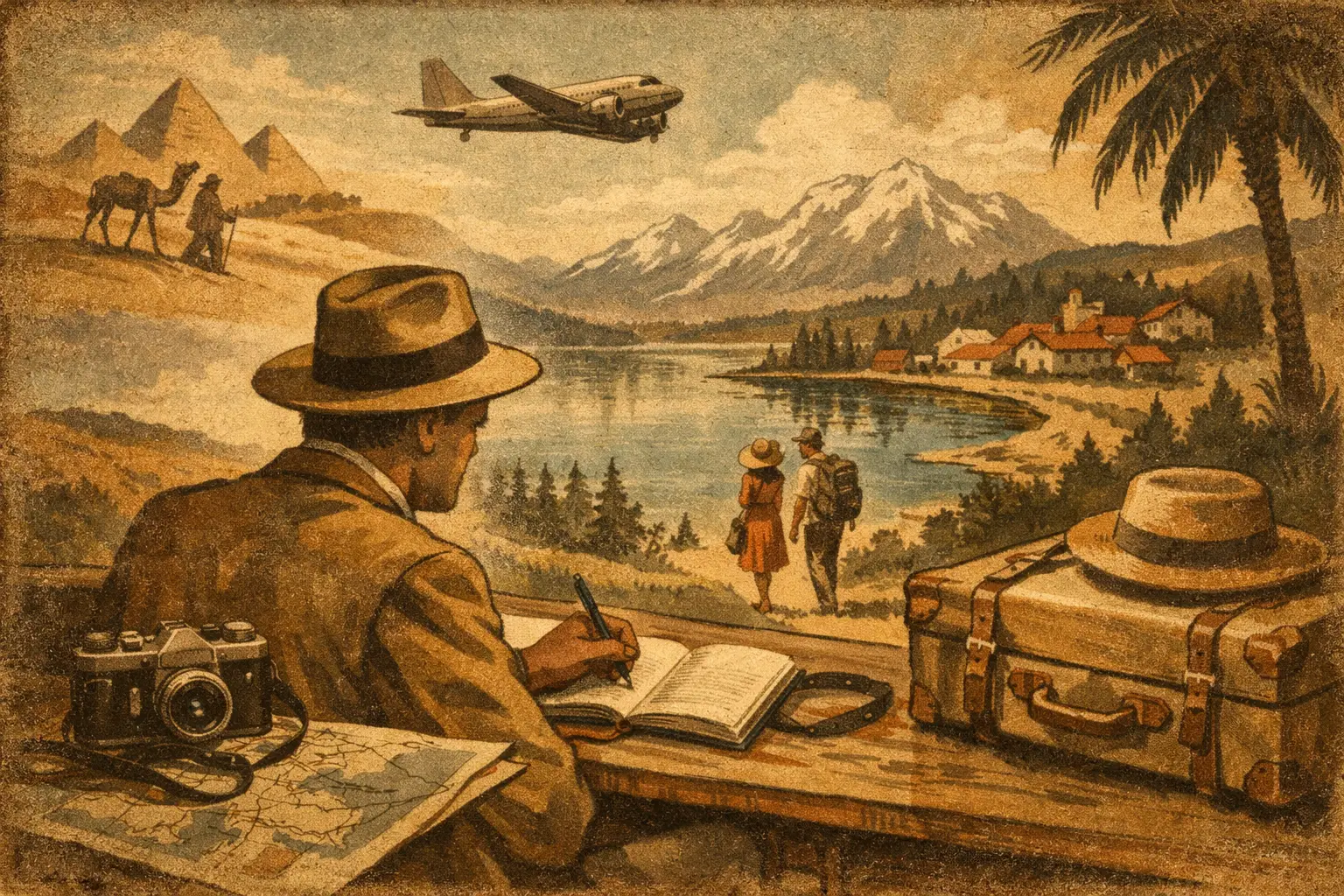
A sunset photo from a cruise deck can be beautiful. But the moment becomes unforgettable when you tell us the ship’s band began playing your favorite song just as the coastline came into view, and suddenly a whole day of anticipation gave way to joy. That is the heart of what is a travel narrative: it is not simply where you went. It is the story of what happened there, how it felt, and why it changed the way you saw a place – or yourself.
For travelers who chase vibrant cultures, memorable meals, live music, and breathtaking landscapes, a travel narrative gives an experience its pulse. It turns a destination from a pin on a map into a memory another person can step into with you.
What Is a Travel Narrative?
A travel narrative is a story built around a journey. It combines the real details of travel – a destination, route, activity, meal, encounter, or unexpected detour – with a personal point of view. The writer or creator is not just reporting what they saw. They are choosing moments, shaping scenes, and inviting an audience to feel the atmosphere.
A good travel narrative may appear as a written essay, a newsletter story, a YouTube video, a photo carousel, or a spoken voiceover. The format changes, but the goal stays the same: make the audience feel present.
That distinction matters. “I spent three days in San Juan and visited Old San Juan, the beach, and a local restaurant” is useful information. A narrative might begin with humid air, pastel buildings glowing after rain, the sound of salsa spilling from an open doorway, and the first bite of a dish you cannot stop thinking about. The facts are still there, but they now have a point of view.
Travel narratives do not need to be dramatic to work. Sometimes the strongest story is a tiny one: getting lost on the way to a market, sharing a laugh with a bartender, or standing quietly on a balcony while a new city wakes up. Meaning often lives in the details that do not fit neatly into an itinerary.
A Trip Is Not Automatically a Story
Every trip contains material for a story, but not every recap becomes a travel narrative. An itinerary answers practical questions: Where should I go? What should I book? How much time will I need? Those answers are valuable, especially when planning a vacation.
A narrative asks something more personal: What did this experience reveal? Why did this moment matter? What would someone have felt if they had been standing beside me?
Think of the difference between a restaurant review and the story of a meal. A review might rate the service, describe the menu, and mention the price. A travel narrative can still include those details, yet it centers the experience: the anticipation before the first course, the chef explaining a family recipe, the table next to yours breaking into applause when a musician starts to play.
Neither approach is better in every situation. A reader booking a trip may want clear logistics. An audience looking for inspiration may connect more deeply with the story behind the stop. The best creator-led travel content often blends both, giving people a reason to dream and a few helpful details to carry into their own adventure.
The Ingredients That Make a Travel Story Feel Alive
A travel narrative needs a setting, but place is only the beginning. The most engaging stories bring together a few essential elements.
A clear point of view
Your perspective is the reason the audience is listening. Two people can walk through the same neighborhood, sail on the same ship, or order the same local specialty and come away with completely different stories. One might be moved by the architecture; another may remember the soundtrack, the people, or the flavors.
This is not a reason to make every story only about yourself. It is a reason to be honest about what caught your attention. Personal perspective gives a destination texture. It tells viewers what you noticed and leaves room for them to imagine what they might discover for themselves.
Specific sensory details
The details that linger are rarely generic. Instead of saying a market was lively, show us the citrus stacked in bright pyramids, the rhythm of vendors calling to regulars, and the warmth of fresh bread in a paper bag. Instead of calling a beach beautiful, describe the water changing color as the afternoon light shifts.
Sensory writing is especially powerful for food and music because those experiences already carry emotion. A smoky bite of grilled seafood, a familiar chorus drifting through a lounge, or the beat of drums echoing down a street can instantly place an audience in the scene.
Movement and tension
A story needs motion. In travel, that motion can be literal – boarding a train, walking through a new port, or heading toward an excursion. It can also be emotional. Maybe you were unsure about trying a dish, nervous about exploring alone, or disappointed when rain changed the plan.
Tension does not mean manufacturing chaos. It simply means something is at stake, even if it is small. Will you find the hidden jazz club before the set starts? Will a missed turn lead to frustration or to the best coffee of the trip? These questions create momentum and make the payoff feel earned.
A moment of meaning
The ending of a travel narrative does not need a grand lesson. It just needs a sense of arrival. Perhaps a meal helped you understand a region’s history. Perhaps a conversation reminded you that generosity crosses language barriers. Perhaps you returned to the ship with sore feet, a full heart, and a new favorite song.
Meaning is what separates a collection of attractive clips from a story people remember and share.
How to Shape a Travel Narrative From Your Own Experience
You do not have to document every second of a trip. In fact, trying to include everything can flatten the story. Choose one central thread and let it guide the piece.
Maybe the thread is “finding the sound of the city in one evening.” Maybe it is “the meal that changed my mind about a destination.” On a cruise, it could be the contrast between a peaceful morning at sea and the electric energy of arriving in port. A simple focus helps you decide what belongs in the story and what can stay in your camera roll.
Start close to a real moment rather than opening with background information. Put the audience at the table, on the deck, in the taxi, or at the edge of the dance floor. Then add context as it becomes useful. This approach feels more natural than beginning with a list of dates, facts, and attractions.
As you tell the story, balance polished highlights with the human parts. The best travel experiences are not perfect productions. Maybe the weather had other plans. Maybe a reservation went sideways. Maybe you felt out of place at first. Sharing those moments with warmth and perspective makes the final experience more believable – and often more encouraging for someone considering the same journey.
For video, let the visuals carry details that do not need to be explained out loud: the first look at a harbor, steam rising from a plate, a musician tuning up before the room fills. Use voiceover or on-camera commentary to supply your emotional perspective. For writing, slow down around the scenes that deserve attention instead of giving equal space to every stop.
Music, Food, and Culture Give Travel Stories Their Soul
A destination is more than its landmarks. Music, food, language, traditions, and everyday rituals reveal how a place moves. They give travel storytelling an emotional entry point, even for viewers who have never been there.
Music can become a timestamp for a journey. Years later, one song may bring back the exact feeling of a sail-away party, a late-night lounge, or a street performance that stopped you in your tracks. Food works the same way. A local dish can lead naturally into stories of migration, family, celebration, and regional pride.
The key is curiosity with respect. Ask questions when appropriate. Credit the people and traditions that make an experience meaningful. Avoid treating culture as decoration for content. The strongest travel narratives celebrate a place while recognizing that real communities live beyond the visitor’s frame.
Why Travel Narratives Matter
Travel content can inspire someone to book a trip, but a meaningful narrative can do something even better: it can help people feel connected before they arrive. It reminds us that travel is not just about checking off famous sights. It is about being open to the unexpected, listening closely, and carrying a little more of the world home with us.
That is why the most memorable creators do not just show a destination. They create a feeling around it. They make us hungry to taste something new, curious about the music around the next corner, and ready to see familiar travel moments with fresh eyes.
On your next adventure, do not pressure yourself to capture everything. Notice the one moment that makes you smile, pause, or lean in. Follow it. That is where your travel narrative begins – and it may be the exact invitation someone else needs to join the adventure.