
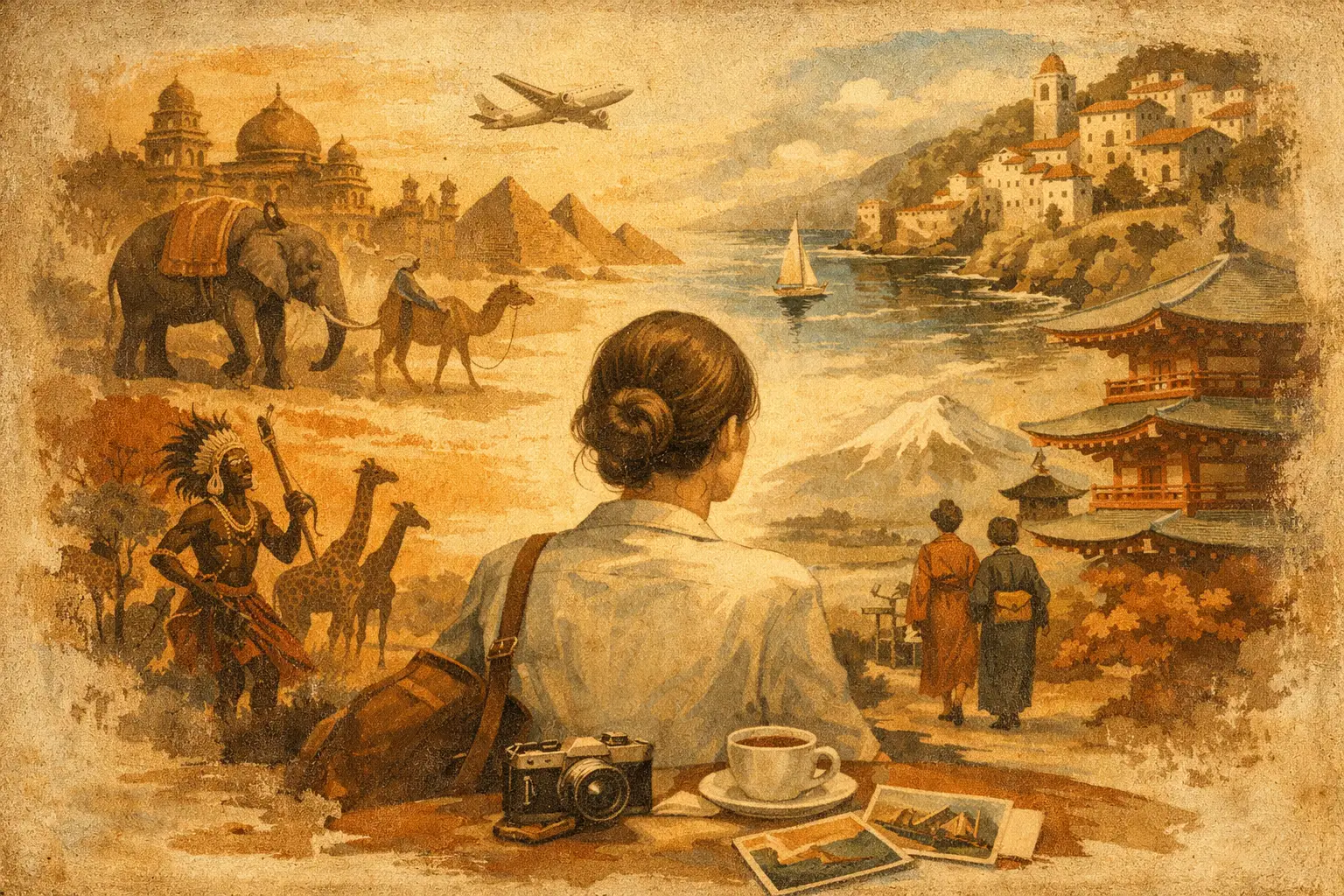
The moment that stays with you may not be the famous landmark. It might be the drummer setting the pace at a neighborhood festival, the grandmother who insists you try one more bite, or the song spilling out of a bar long after sunset. Cultural travel experiences live in those moments because they turn a trip from something you saw into something you felt.
For travelers who want more than a packed camera roll, culture is the real itinerary. It is the rhythm of a city, the flavor of a family recipe, the stories behind a dance, and the small acts of welcome that make a place feel personal. The goal is not to collect destinations. It is to come home with a deeper sense of the people who give those destinations their soul.
Cultural Travel Experiences Start Beyond the Checklist
There is nothing wrong with seeing the big sights. A breathtaking cathedral, historic fort, or iconic skyline can absolutely set the scene. But checking off landmarks alone can leave a trip feeling a little like watching a movie with the sound off. You understand the setting, but you miss the emotion.
A culturally rich day has texture. Maybe you begin at a local market, where vendors greet regulars by name and the air carries the scent of ripe fruit, grilled seafood, or fresh bread. Later, you hear a local musician explain why a certain style of music belongs to that neighborhood. By dinner, you are learning that the dish on your plate is tied to migration, celebration, survival, or family pride.
That is when travel becomes memorable. Culture puts context around the beautiful views.
It also asks us to slow down. A rushed schedule can make it hard to notice what makes one place distinct from the next. Leaving room for an unplanned conversation, an extra hour at a museum, or a recommendation from a local guide often creates the best stories of the entire trip.
Follow the Music to Find the Mood of a Place
Music is one of the fastest ways to feel connected in a new destination. You do not have to speak the language perfectly to recognize joy, heartbreak, celebration, or pride in a song. A beat can introduce you to a city before you know a single street name.
In New Orleans, brass bands and jazz are part of the city’s living conversation. In Puerto Rico, salsa and bomba carry histories of African, Caribbean, and Spanish influence. In Nashville, a songwriter’s lyrics can tell you more about a neighborhood than a brochure ever could. Every destination has its own soundtrack, whether it is performed on a stage or heard from an open window.
The best approach is to seek out music with curiosity rather than treating it like background entertainment. Ask your hotel host, a bartender, or a tour guide where locals go to hear live music. Look for community concerts, dance nights, cultural centers, and smaller venues where the audience includes people who actually live there.
There is a trade-off, of course. A polished, ticketed show may be easier to plan and can feature extraordinary talent. A casual neighborhood performance may feel more spontaneous, but it can be less predictable. Both can be worthwhile. What matters is choosing an experience that respects the artists and gives you a real sense of place.
And if you are invited to dance, say yes. You do not need perfect steps to share a joyful moment.
Let Food Tell the Story
A great meal on vacation is not just about finding the most photographed restaurant. Sometimes the most meaningful bite is the one with a story attached to it.
Food reveals what grows nearby, what communities have carried with them, and what people gather to celebrate. A bowl of gumbo, a plate of jerk chicken, handmade pasta, fresh ceviche, or a simple street taco can hold generations of memory. When you taste it with attention, you are tasting history too.
Start by asking a better question than, “Where should I eat?” Try asking, “What dish matters here?” That shift can lead you toward regional specialties, family-run spots, food halls, cooking classes, or local markets that make a destination feel much more alive.
Be mindful of the difference between trying something new and treating a community’s food as a novelty. Learn the name of the dish. Understand how it is traditionally served. If a local vendor takes pride in explaining their recipe, listen. Those few minutes of conversation can turn lunch into one of your favorite travel memories.
Cruise travelers have a special opportunity here. Port days can be short, which makes it tempting to grab something familiar near the ship. But if time allows, choose one intentional food experience ashore. It could be a guided tasting, a market visit, or one locally owned restaurant known for a regional classic. One thoughtful stop can say far more about a port than a rushed meal from a generic menu.
Choose Connection Over Performance
Not every cultural activity is automatically meaningful. Some experiences are designed mainly for visitors, and that does not always make them bad. A staged dance show can be colorful, fun, and a wonderful first introduction to local traditions. The question is whether it offers context, credits its performers, and treats the culture with respect.
Look for experiences where local people have agency. Independent guides, artists, chefs, historians, and community organizations often bring knowledge that cannot be copied into a standard tour script. They can explain the details that make a tradition more than a photo opportunity.
You can also practice being a good guest. Dress appropriately when visiting religious or sacred spaces. Ask before photographing people, especially vendors, performers, and children. Learn a few basic greetings. Tip fairly when it is customary. These choices are simple, but they communicate that you are there to participate with respect, not simply consume a moment and move on.
The truth is that connection cannot be forced. Some days, you will have a beautiful exchange with a stranger. Other days, you will simply observe quietly. Both have value. Travel is not a contest to prove how “authentic” your experience was. It is an invitation to pay closer attention.
Make Space for the Unexpected
The most shareable travel moments often happen when the plan loosens its grip. A wrong turn leads to a street festival. Rain sends you into a tiny café where a local band is playing. A conversation with a shop owner points you toward a sunset spot that never appeared in your search results.
This does not mean abandoning planning altogether. Researching local customs, reserving a popular experience, and knowing how to get around can make travel smoother and safer. The sweet spot is structure with breathing room. Plan the anchor moments, then protect a few open hours for wandering.
A simple way to do this is to choose one cultural focus each day. Maybe today is for music, tomorrow is for food, and the next day is for art or history. Rather than trying to absorb everything, you give yourself permission to go deeper in one direction. That approach works especially well on a cruise itinerary or a multi-city trip, where time can feel limited.
Bring your curiosity with you, but leave assumptions at home. A destination is never just its stereotypes, its souvenir shops, or the version you have seen online. The more you listen, the more complicated, vibrant, and beautiful the picture becomes.
Bring Home More Than Souvenirs
The best cultural travel experiences continue after the suitcase is unpacked. You might recreate a dish, add an artist to your favorite playlist, read a book recommended by your guide, or tell friends about a community you encountered. These small choices keep the connection alive and make your travel memories feel less like a highlight reel.
Share the story behind the photo, too. Instead of posting only the beautiful plate or lively performance, mention the person, tradition, or place that gave it meaning. That kind of storytelling invites others to travel with more curiosity and a little more care.
At Musical Smile Guy, that is the adventure worth chasing: the meal that makes you smile, the rhythm that follows you down the street, and the human connection that gives every destination its color. On your next trip, leave a little room in the schedule for the unexpected. A song, a shared table, or a simple conversation may be the part you carry with you longest.