
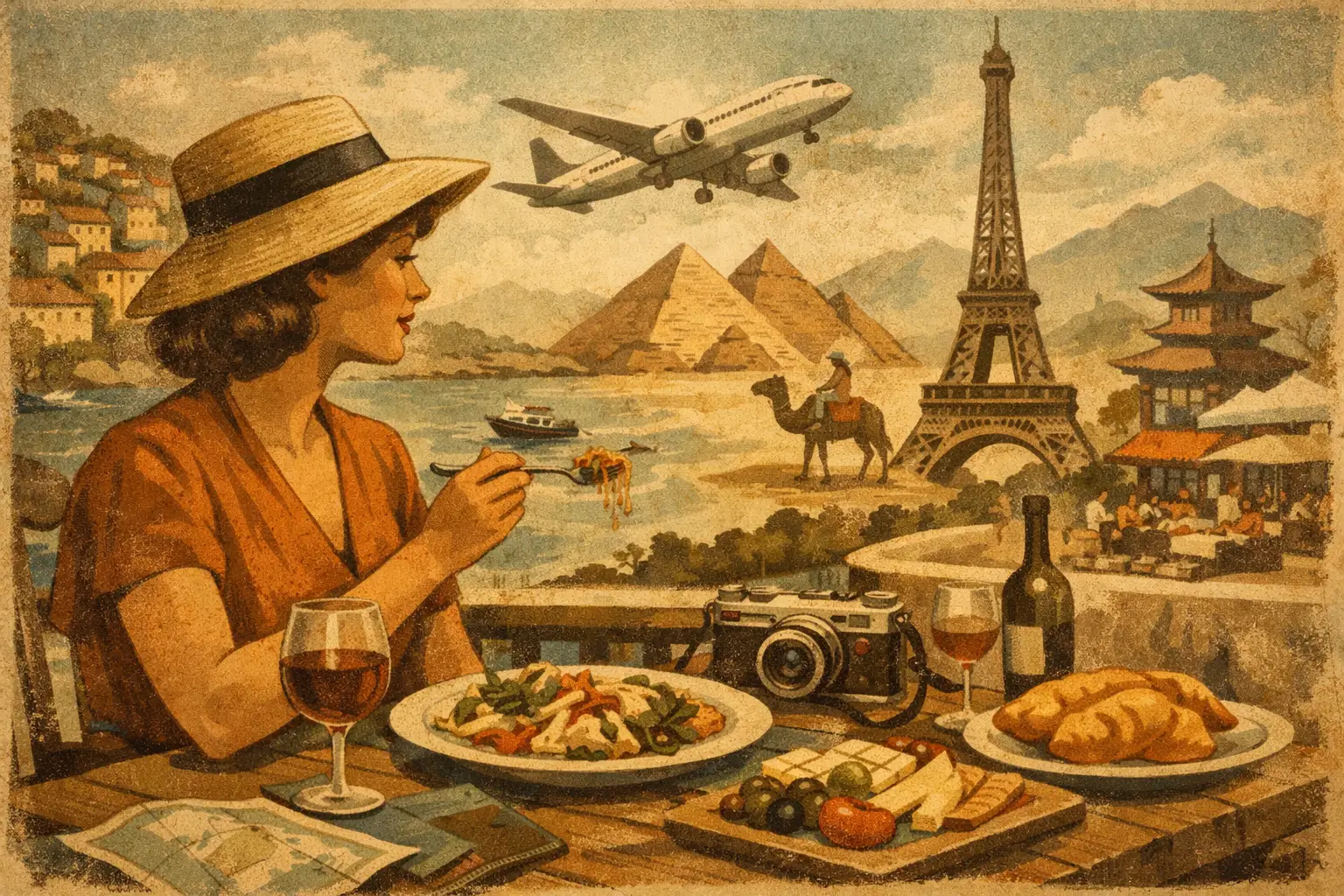
The meal you remember most from a trip is rarely the one with the fanciest view or the most dramatic price tag. It might be the steaming bowl of noodles handed over at a crowded market stall, the tiny bakery you found while following the scent of butter, or a plate of grilled fish that arrived just as a local musician began playing nearby. That is the spirit of a food focused travel guide: not chasing reservations for the sake of bragging rights, but letting flavor lead you closer to a place.
Food has a way of turning travel from something you see into something you feel. A city becomes more than its skyline when you know what locals order for breakfast. A cruise port becomes more than a stop on an itinerary when you step beyond the souvenir shops and taste what the region does best. And when music, conversation, and a memorable meal come together, you have the kind of travel story worth replaying long after you unpack.
Start With the Food That Belongs There
Before you arrive, give yourself one delicious assignment: learn what the destination is proud to cook. Every place has dishes that carry history, climate, migration, celebration, and family tradition. In New Orleans, that could mean gumbo with a conversation about the roux. In San Juan, it may be mofongo, plantains mashed with garlic and served with savory fillings. In Naples, it is hard to understand the city without tasting pizza made in its hometown.
This does not mean planning every bite from your couch. In fact, the best food travel leaves room for surprises. The goal is simply to arrive with a little context and a healthy appetite. Pick two or three regional specialties, learn when people usually eat them, and notice whether they are everyday comfort food or something reserved for special occasions.
That small bit of homework changes the experience. Instead of asking, “What is good around here?” you can ask a server, vendor, or bartender, “Where would you go for the best version of this?” That question tends to open doors.
Follow local timing, not just your hunger
One of the easiest ways to miss a destination’s food culture is to eat entirely on your usual schedule. Lunch may be a quick, late-afternoon affair. Dinner may not truly begin until the sun goes down. Markets may be at their liveliest before 9 a.m., while the best street-food scene wakes up after midnight.
When your schedule allows, adjust to the local rhythm for at least one day. Have coffee where commuters stop. Eat lunch when offices empty out. Save one evening for a neighborhood that comes alive after dark. You will likely find better food, but you will also see how people gather, celebrate, and make space for joy.
Build a Food Focused Travel Guide Around Moments
A memorable eating itinerary should have a little structure, not a military-grade spreadsheet. Choose one anchor experience each day, then let the rest of the day move naturally around it. Maybe your anchor is a harbor-side seafood lunch, a cooking class, a historic café, or a family-run restaurant recommended by someone you meet.
Once that plan is in place, leave room for the unplanned bites. This is where travel gets fun. A fruit stand catches your eye. A bakery window stops you in your tracks. A friendly local tells you that the line around the block is absolutely worth it. Say yes when you can.
A good balance is one intentional meal, one casual local stop, and one spontaneous snack or drink. That rhythm keeps the trip exciting without turning every hour into a search for the next thing to eat.
Let neighborhoods tell the story
The most popular restaurant district is not always the neighborhood that tells you the most about a city. Look for areas where people actually live, shop, gather, and linger. Browse a market, stop at a café, and take a walk before selecting a restaurant. The sounds, scents, and pace of the block often reveal more than a long list of online reviews.
This is especially helpful in major cities, where a famous dining room may be wonderful but still feel detached from everyday life. There is room for the big-name meal if it excites you. Just pair it with something humbler: a corner sandwich shop, a neighborhood breakfast counter, or a market stall that has served the same dish for decades.
The trade-off is comfort versus discovery. Tourist-heavy areas can be convenient and polished, especially when time is short. Local neighborhoods may require a little extra navigation and patience. Both can belong on the itinerary. The best choice depends on whether you want a special occasion, a quick win, or a deeper connection.
On a Cruise, Taste Beyond the Ship
Cruising makes culinary exploration beautifully accessible. You can wake up in one region and step ashore in a new food culture by late morning. But a port day can pass quickly, so a little focus goes a long way.
Rather than trying to cover every landmark and every restaurant, choose one food experience that feels distinctly connected to that port. In Cozumel, that might be tacos al pastor from a spot known by locals. In Barcelona, it could be a leisurely tapas lunch with vermouth. In the Caribbean, it may be fresh conch, jerk chicken, or a plate that puts tropical fruit front and center.
Pay attention to the clock. Ship time, local time, transportation delays, and restaurant service hours can all shape what is realistic. A two-hour lunch may be perfect in a city stay, but it can feel rushed when you need to be back at the pier. Ask for recommendations close to your planned route, and give yourself a comfortable buffer for returning.
There is no need to treat the ship’s dining venues as the enemy of authentic food travel, either. A great onboard meal can be part of the experience, particularly on a sea day or when you want to dress up and make an evening of it. Think of the ship as one part of the culinary story, then let each port add its own flavor.
Eat With Curiosity and Respect
The best travelers bring enthusiasm, but they also bring good manners. Food traditions are personal. A dish might be tied to a holiday, a community, a family recipe, or a long history that deserves more than a quick photo and a rating.
Ask questions with genuine interest. What is in the dish? How is it traditionally served? Is there a local way to eat it? If someone takes pride in explaining a meal, listen. The story often becomes as memorable as the flavor.
Be adventurous, but know your limits. If you have allergies, dietary restrictions, or a sensitive stomach, preparation is part of traveling well. Learn key food terms before you go, communicate clearly, and do not assume a dish is safe because it looks familiar. Street food can be extraordinary, but choose vendors with steady turnover, food cooked hot in front of you, and an environment that feels cared for.
And please do not let social media turn every meal into a production. Take the photo if it helps you remember the moment. Then put the phone down long enough to taste, listen, and share the table. The best travel content comes from being present first.
Bring Music Into the Meal
Food and music are natural travel companions. Both carry memory in an instant. A salsa band drifting out of a plaza can make a late-night snack feel electric. Jazz in a cozy lounge can transform a simple dinner into a scene you replay in your mind. Even the soundtrack of a market – vendors calling, cups clinking, grills sizzling – has its own rhythm.
When planning a food-centered evening, look for places where culture is happening around the table. That may be live music, a local festival, a neighborhood dance night, or simply a restaurant where the room is full of conversation. You do not need a staged experience to feel the energy. Sometimes the most vibrant soundtrack is a packed room enjoying a meal together.
Save the Story, Not Just the Receipt
After each travel day, make a quick note about one thing you ate and why it mattered. Skip the formal review unless that is your style. Write down the name of the dish, where you found it, who you were with, what was playing, and how the moment felt. These small details become gold when you look back.
A food focused trip is not about proving you found the “best” version of everything. Taste is personal, budgets vary, and sometimes the perfect meal is simply the one that meets you at the right moment. Follow your curiosity, leave room for the unexpected, and let each table invite you a little farther into the adventure. Join the journey with an open mind and an empty seat for the next great story.